6 Wine Tasting Tools That Help You Track Notes And Preferences
Serious wine appreciation goes far beyond simply deciding whether you like a bottle or not. Over time, even experienced enthusiasts can struggle to remember the exact characteristics of a Burgundy tasted months ago or how a particular vintage compared to the previous year. The ability to track tasting notes and personal preferences with structure and consistency is what separates casual enjoyment from informed understanding. Fortunately, a range of practical tools exists to help wine drinkers document, analyze, and refine their palate with precision.
TLDR: Tracking your wine tasting notes consistently improves your palate, purchasing decisions, and long-term enjoyment. The right tools—from structured tasting journals to digital apps and aroma kits—help standardize observations and reveal patterns in your preferences. Whether you prefer analog notebooks or data-driven software, pairing multiple tools creates the most reliable record. Investing in proper tracking methods turns subjective impressions into measurable insight.
1. Structured Wine Tasting Notebooks
Table of Contents
A dedicated wine tasting notebook remains one of the most authoritative and dependable tools available. Unlike loose notes on paper or scattered phone entries, a structured notebook provides consistency across tastings.
Well-designed tasting journals typically include pre-formatted sections for:
- Appearance (clarity, color, viscosity)
- Aroma (intensity, primary, secondary, tertiary notes)
- Palate (sweetness, acidity, tannin, alcohol, body)
- Finish (length and complexity)
- Personal Score and Comments
This structured repetition matters. By writing observations in the same order each time, you train your brain to evaluate wine methodically rather than emotionally. Over months or years, your notebook becomes a personalized reference library.
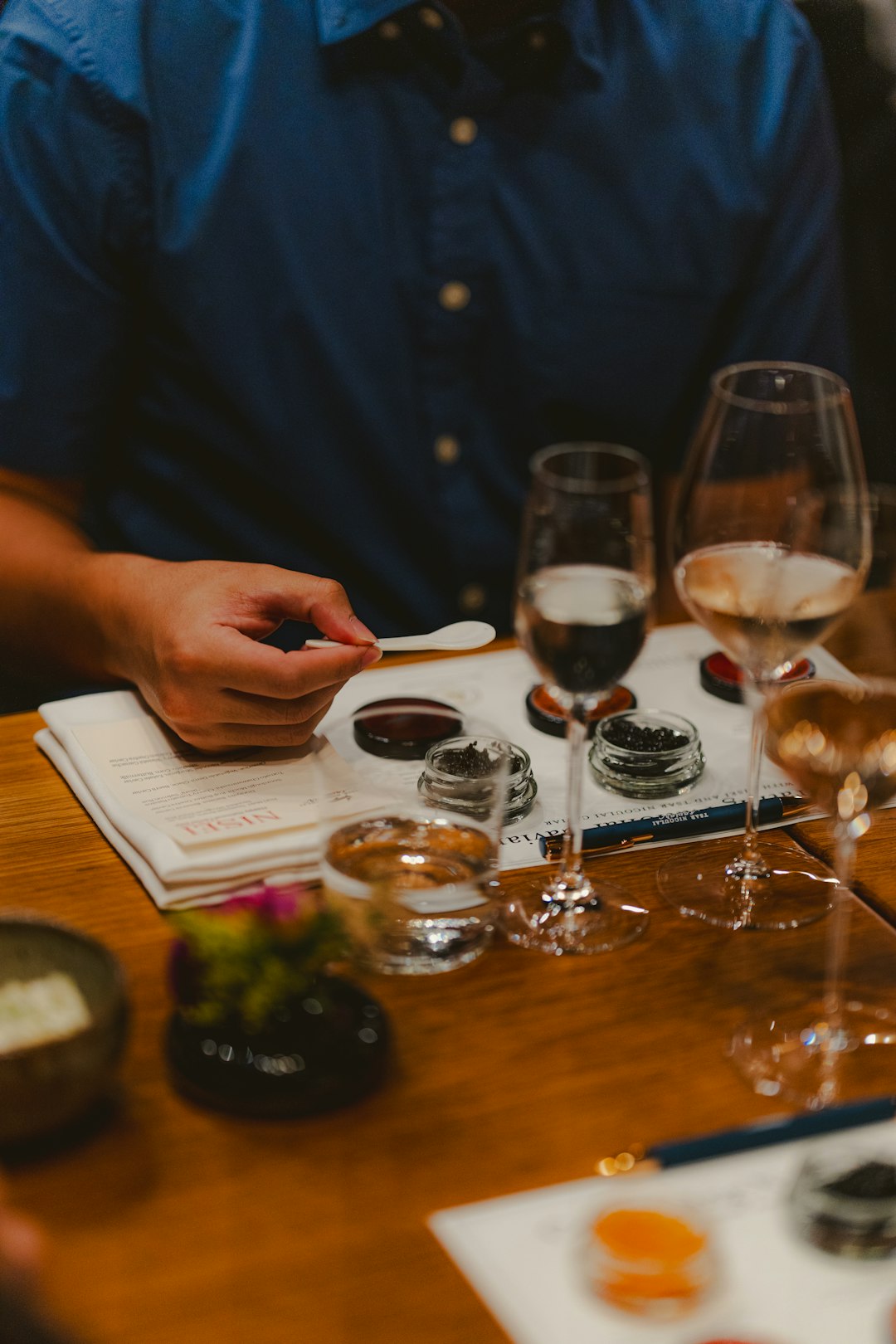
Why it works: Physical writing encourages deeper sensory reflection. Many professionals argue that handwritten notes promote better memory retention than digital typing.
If you are serious about long-term development, choose a notebook with archival-quality paper and clear tasting grids rather than blank pages.
2. Digital Wine Tracking Apps
For those who prefer searchable databases and automated analysis, professional wine tracking apps provide scalability that notebooks cannot match. Modern applications allow you to:
- Photograph bottle labels for automatic identification
- Score wines using customizable rating systems
- Track cellar inventory and drinking windows
- Analyze patterns in region, grape variety, and producer
What distinguishes serious tracking apps from casual rating platforms is data control. Look for tools that allow detailed tasting fields rather than simple star ratings. The ability to export your data is also important if you want long-term ownership of your records.
Advantages of digital tracking:
- Instant search functionality
- Backup protection
- Statistical summaries of preferences
- Integration with cellar management
Over time, digital logs can reveal patterns you may otherwise overlook—for instance, a consistent preference for high-acid Italian whites or cool-climate Syrah.
3. Wine Aroma Kits
One of the biggest obstacles to accurate tasting notes is vocabulary. Many enthusiasts sense subtle aromas but struggle to name them. This is where professional wine aroma kits become invaluable.
These kits contain small vials representing common wine aromas such as:
- Blackcurrant
- Green bell pepper
- Cedar
- Vanilla
- Leather
- Citrus peel
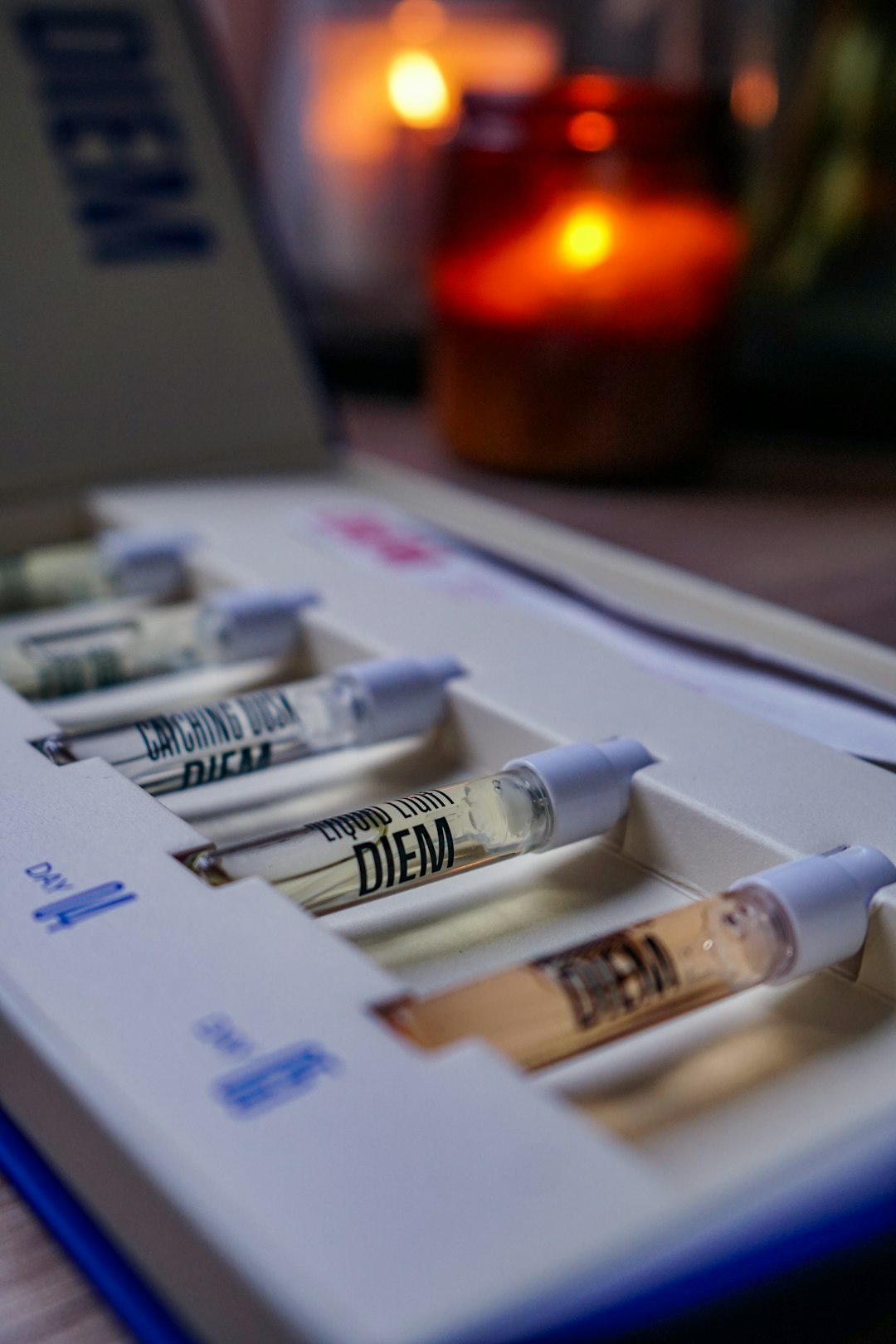
By repeatedly smelling these isolated scents, you build olfactory memory. When a similar aroma appears in a wine, recognition becomes more immediate and confident.
Why this matters: Accurate note tracking depends on consistent descriptors. If you describe one wine as “dark fruit” and another as “blackberry” when both smell similar, long-term comparisons become unreliable. Aroma training standardizes language.
4. Standardized Tasting Sheets (Professional Templates)
Professional tasting sheets—often based on sommelier certification frameworks—offer a disciplined approach to note taking. Unlike casual notebooks, these sheets follow evaluation systems used in formal examinations and industry tastings.
Common frameworks include numeric grids assessing:
- Balance
- Intensity
- Complexity
- Typicity
- Age-worthiness
This approach is particularly useful if you attend tastings regularly or compare several wines side by side. The structured scoring creates objective benchmarks, reducing bias caused by price, reputation, or label design.
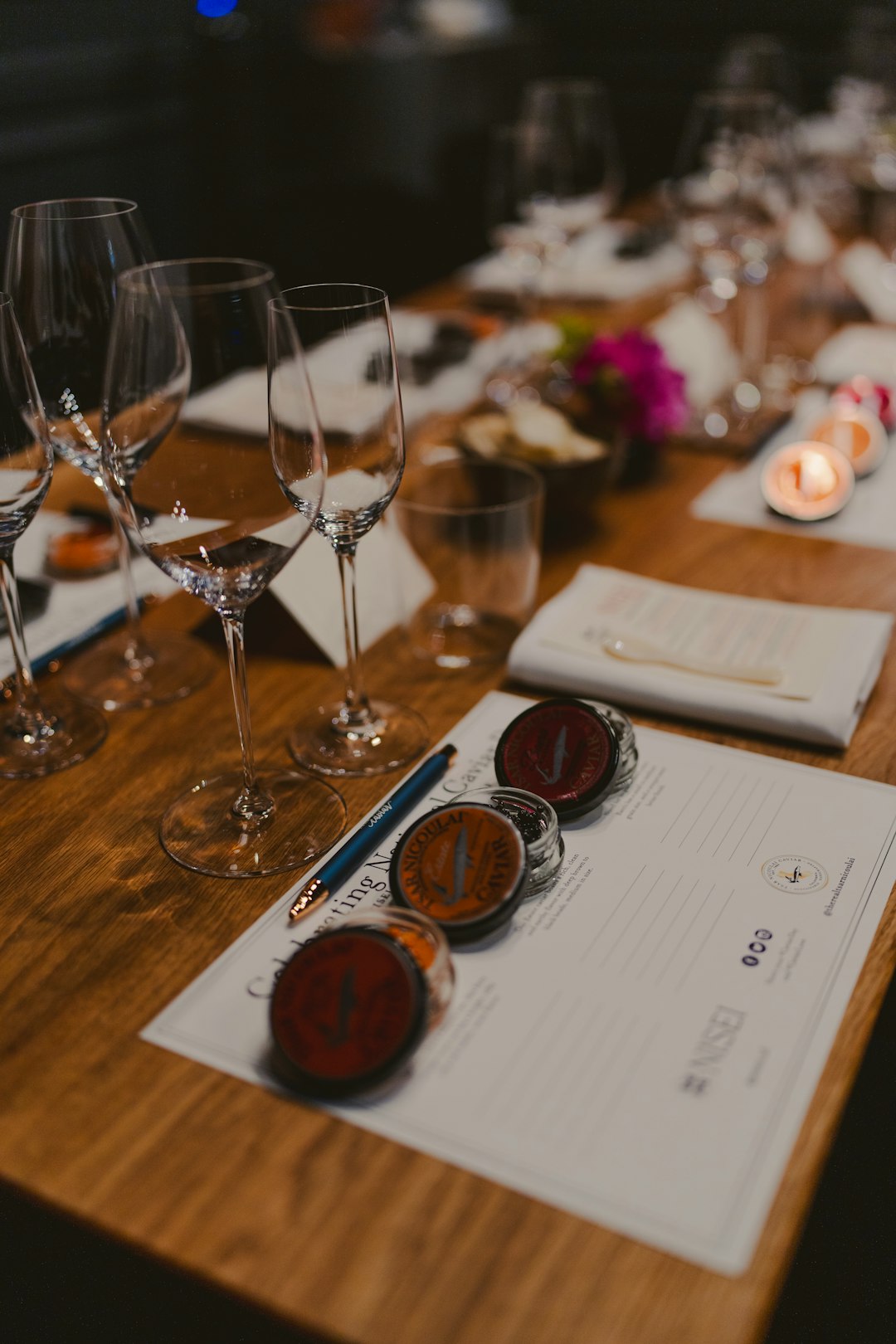
Best use case: Comparative tastings, wine courses, blind tasting groups, and professional development.
5. Cellar Management Software or Spreadsheets
Tracking notes is only part of serious wine management. Understanding when to drink a bottle—and how it evolves—adds an important longitudinal dimension.
Cellar management tools typically track:
- Purchase date and price
- Storage location
- Optimal drinking window
- Tasting history across multiple years
A structured spreadsheet can be as effective as dedicated software if designed carefully. The key is connecting tasting impressions to time data. For example, if a Bordeaux showed aggressive tannins in 2024 but softened beautifully by 2028, that information becomes highly valuable for future purchases.
Long-term insight is what distinguishes collecting from drinking.
6. Personal Flavor Wheel Reference Charts
A wine flavor wheel organizes aromas and tastes into hierarchical categories—from broad groups like “fruit” or “spice” to specific descriptors like “fig” or “clove.” Keeping a printed wheel nearby during tastings enhances precision and consistency.
Benefits include:
- Expanding descriptive vocabulary
- Avoiding repetitive generic language
- Improving blind tasting accuracy
- Clarifying subtle aromatic differences
Over time, you may annotate your wheel with personal benchmarks—circling descriptors frequently detected in wines you prefer. This creates a visual map of your palate.
Comparison Chart of Wine Tasting Tools
| Tool | Best For | Level of Detail | Data Analysis | Long Term Value |
|---|---|---|---|---|
| Structured Notebook | Reflective personal tasting | High | Manual review | Excellent |
| Digital Tracking App | Frequent tastings and cellar logs | Very High | Automated insights | Excellent |
| Aroma Kit | Palate training | Focused sensory | N/A | High |
| Professional Tasting Sheets | Comparative or blind tasting | Very Structured | Score based | High |
| Cellar Management Tool | Aging and investment tracking | Inventory focused | Timeline based | Very High |
| Flavor Wheel Chart | Vocabulary development | Descriptor focused | N/A | Moderate to High |
How to Combine Tools for Maximum Insight
No single tool provides complete mastery. The most reliable approach blends complementary systems:
- Use a flavor wheel and aroma kit to sharpen identification skills.
- Record results in either a structured notebook or digital app.
- Track aging potential through cellar management software.
- Apply professional tasting sheets during comparative sessions.
This layered method ensures that sensory improvement, descriptive consistency, and long-term tracking all support one another.
Final Considerations
Discipline is more important than sophistication. A highly advanced tracking system used inconsistently offers little benefit. Conversely, even a simple but consistently maintained notebook can reveal profound insights over time.
Serious wine appreciation values documentation because memory alone is unreliable. Vintage variation, bottle age, storage condition, and food pairing all influence perception. Only detailed records allow you to separate fleeting impressions from recurring truths about your palate.
Ultimately, these tools transform wine tasting from a momentary pleasure into an evolving body of knowledge. Over years of disciplined tracking, you will recognize patterns in grape varieties, climates, winemaking styles, and personal preference. That clarity leads not only to better purchasing decisions but also to deeper, more confident enjoyment of every glass.