
5 Platforms Startups Explore When Replacing OutSystems for Enterprise Low-Code Application Development
As enterprises scale their digital transformation strategies, low-code platforms have become essential for accelerating application delivery without compromising governance or performance. While OutSystems remains a major player in this space, organizations often explore alternatives due to licensing costs, customization limitations, architectural preferences, or strategic shifts toward open ecosystems. Replacing a core development platform is not a small decision — it requires evaluating scalability, integration depth, developer experience, and long-term viability.
TLDR: Companies replacing OutSystems often seek greater flexibility, reduced licensing costs, or closer alignment with their existing tech stack. Leading alternatives include Microsoft Power Apps, Mendix, Appian, Salesforce Platform, and ServiceNow App Engine. Each offers unique strengths in scalability, enterprise governance, and ecosystem integration. The right choice depends on whether your priority is automation, extensibility, citizen development, or enterprise-grade orchestration.
Below, we explore five leading low-code platforms startups and enterprises evaluate when transitioning away from OutSystems, along with insights into what makes each compelling.
1. Microsoft Power Apps
Table of Contents
Microsoft Power Apps is often the first stop for enterprises operating within the Microsoft ecosystem. Seamless integration with Microsoft 365, Azure, Dynamics 365, and Teams makes it particularly attractive for organizations already invested in these tools.

Why companies switch to Power Apps:
- Deep Microsoft ecosystem integration — Native connections to Azure services and Office tools streamline workflows.
- Lower entry cost compared to some enterprise-grade OutSystems licenses.
- Strong citizen developer enablement with governance controls.
- AI Builder capabilities for predictive insights and automation.
Power Apps works especially well for workflow automation, internal enterprise applications, and productivity-focused solutions. However, organizations that require highly complex UI customization or cross-cloud infrastructure flexibility may need additional Azure services to match previous OutSystems capabilities.
Best for: Microsoft-centric organizations seeking scalable low-code with built-in productivity integrations.
2. Mendix
Mendix is frequently compared directly to OutSystems due to its enterprise-grade architecture and robust DevOps capabilities. Backed by Siemens, Mendix emphasizes scalability, cloud-native deployment, and collaboration between developers and business teams.
Key advantages of Mendix:
- Cloud-native and multi-cloud deployment options (AWS, Azure, private cloud).
- Strong DevOps tooling with integrated CI/CD.
- Microservices-friendly architecture for modular applications.
- Advanced customization through Java extensions.
Mendix appeals to organizations that feel constrained by OutSystems’ pricing model or architectural rigidity. Its support for microservices makes it particularly attractive for modern enterprise environments transitioning toward containerized infrastructure.
Best for: Enterprises prioritizing scalability, composability, and deep developer extensibility.
3. Appian
Appian focuses heavily on process automation and case management. While OutSystems often emphasizes full-stack application development, Appian shines in orchestrating workflows and complex business processes across departments.

What sets Appian apart:
- Industry-leading BPM (Business Process Management) capabilities.
- Strong robotic process automation (RPA) integration.
- Low-code combined with process-first design.
- High-security and compliance standards for regulated industries.
Startups in fintech, healthcare, and government contracting often evaluate Appian when their use cases revolve around compliance-heavy workflows. Rather than rebuilding all applications from scratch, Appian allows process orchestration across legacy and new systems.
Best for: Organizations needing process automation more than custom UI-heavy application development.
4. Salesforce Platform (Lightning & Platform Services)
The Salesforce Platform extends well beyond CRM functionality. Its Lightning framework enables rapid application development using low-code tools, tightly integrated with Salesforce’s robust data ecosystem.
Why some teams switch from OutSystems to Salesforce:
- Unified customer data architecture within CRM-driven organizations.
- Extensive AppExchange marketplace for plug-and-play add-ons.
- Strong API ecosystem for integrations.
- Custom Apex code support for advanced functionality.
For businesses whose operations revolve around customer lifecycle management, Salesforce provides a centralized environment to build custom portals, partner apps, and workflow automations.
However, companies not already deeply embedded in Salesforce may find migration less compelling due to platform lock-in considerations.
Best for: CRM-driven organizations building customer-facing or partner applications.
5. ServiceNow App Engine
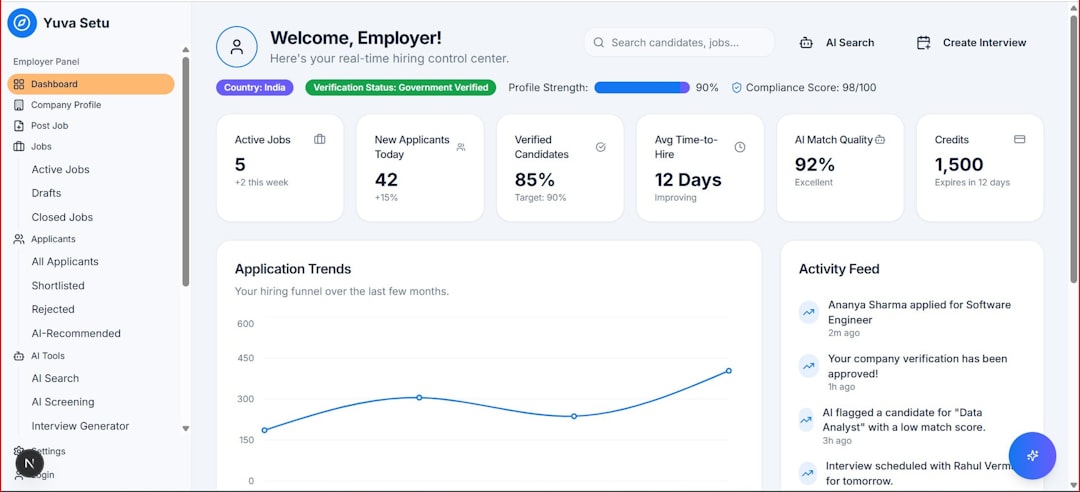
ServiceNow has evolved from IT service management into a comprehensive digital workflow platform. Its App Engine allows enterprises to build low-code applications that connect seamlessly with IT operations, HR, security, and customer service management tools.
ServiceNow strengths include:
- Strong ITSM and operational workflow capabilities.
- Enterprise-grade governance and role-based access.
- Built-in analytics and reporting dashboards.
- Native integration within existing ServiceNow environments.
Companies often migrate select applications from OutSystems to ServiceNow when those applications are tightly connected to IT or operations workflows.
Best for: IT-driven enterprises modernizing internal service operations.
Feature Comparison Chart
| Platform | Scalability | Best For | Extensibility | Ecosystem Strength |
|---|---|---|---|---|
| Microsoft Power Apps | High (Azure-backed) | Internal enterprise apps | Moderate to High | Excellent (Microsoft) |
| Mendix | Very High | Cloud native enterprise apps | Very High (Java extensions) | Strong (Multi-cloud) |
| Appian | High | Process automation | Moderate | Strong BPM ecosystem |
| Salesforce Platform | Very High | Customer-centric apps | High (Apex, APIs) | Excellent (CRM ecosystem) |
| ServiceNow App Engine | High | IT and operations workflows | Moderate to High | Excellent (ITSM ecosystem) |
Key Considerations When Replacing OutSystems
Choosing a replacement platform goes beyond feature parity. Enterprises should evaluate:
- Total cost of ownership (TCO) including licensing, training, and infrastructure.
- Integration capabilities with legacy systems and APIs.
- Customization depth for complex enterprise requirements.
- Cloud flexibility (single vendor vs multi-cloud).
- Governance and compliance for regulated industries.
Another critical factor is developer adoption. A platform’s learning curve and balance between citizen developers and professional developers can significantly impact productivity during transition.
Final Thoughts
Replacing OutSystems is not about finding a universally “better” platform — it’s about finding the right alignment between business strategy and technical architecture. Whether the goal is cost optimization, microservices flexibility, tighter CRM integration, or advanced workflow orchestration, today’s low-code landscape provides powerful alternatives.
Microsoft Power Apps offers ecosystem-driven efficiency. Mendix provides extensible, cloud-native agility. Appian dominates in process automation. Salesforce excels in customer-centric development. ServiceNow strengthens operational workflows.
The ultimate decision should stem from a clear understanding of your enterprise’s roadmap: Are you optimizing for speed? Governance? Innovation? Integration depth? Answering those questions ensures your move beyond OutSystems enables — rather than disrupts — your long-term growth.
The low-code revolution isn’t about writing less code. It’s about making better strategic decisions, faster.