
Top 7 Ways Digital Creators Are Building Automated Income Streams with AI in 2026
Digital creators in 2026 are no longer trading time strictly for money. Instead, they are increasingly building intelligent, automated systems that generate income around the clock. Artificial intelligence has evolved from a useful assistant into a full-scale business partner, helping creators design products, distribute content, optimize marketing, and manage customer interactions with minimal manual input. From solo YouTubers to niche educators and independent designers, creators are leveraging AI to construct scalable revenue ecosystems that operate 24/7.
TLDR: In 2026, digital creators are using AI to automate product creation, marketing, personalization, monetization, and customer engagement. Smart tools help them generate content at scale, launch digital products faster, run AI-powered funnels, and manage memberships with minimal effort. The most successful creators are building interconnected systems that earn continuously rather than relying on one-time sales. Automation and personalization are the foundation of modern creator income.
1. AI-Generated Digital Products That Scale Instantly
Table of Contents
One of the most powerful shifts in 2026 is the explosion of AI-assisted product creation. Creators are using advanced generative tools to build:
- E-books and micro-guides
- Online courses
- Templates and toolkits
- Design assets
- Music and sound packs
Instead of spending months developing a course, creators outline concepts while AI helps generate lesson drafts, slide decks, quizzes, and even interactive simulations. The creator focuses on expertise and refinement while automation accelerates production.
Once completed, these products are hosted on automated platforms that handle delivery, upsells, and customer onboarding without manual intervention.

This model enables evergreen income streams, where products are sold continuously with minimal updates required.
2. Automated Content Repurposing Engines
In 2026, creators rarely produce content for just one platform. AI-powered repurposing engines transform a single piece of content into dozens of formats, including:
- Short-form social media clips
- Blog posts
- Email newsletters
- Podcast summaries
- Carousel posts and infographics
For example, a 20-minute video can automatically become:
- 10 short vertical clips
- A keyword-optimized article
- A downloadable checklist
- A week-long email series
This multiplies content output without multiplying workload. The result is broader reach, more engagement, and increased monetization opportunities through ad revenue, affiliate links, and product promotion.
Automation transforms one effort into recurring exposure.
3. AI-Driven Membership Communities
Membership models have exploded in popularity because of their predictable recurring revenue. What’s changed in 2026 is how AI manages these communities.
AI moderators now:
- Answer common questions instantly
- Recommend relevant content to members
- Surface trending discussions
- Identify churn risks before cancellations happen
This allows creators to scale communities to thousands—or tens of thousands—of members without hiring large support teams.
Personalized recommendation engines also increase retention. Members receive tailored content pathways based on their behavior, activity, and goals, making the experience feel custom-built.
The more personalized the experience, the lower the churn rate.
4. Intelligent Sales Funnels That Self-Optimize
In 2026, sales funnels are no longer static sequences. AI systems analyze user behavior in real time and adjust:
- Email timing
- Offer positioning
- Pricing experiments
- Upsell suggestions
Instead of manually A/B testing landing pages, creators now rely on machine learning systems that automatically optimize for conversion goals.
For example:
- If a visitor hesitates on a pricing page, the system may trigger a limited-time bonus.
- If a subscriber frequently consumes beginner material, they may receive entry-level offers.
- If a customer purchases high-ticket items, premium products are highlighted.
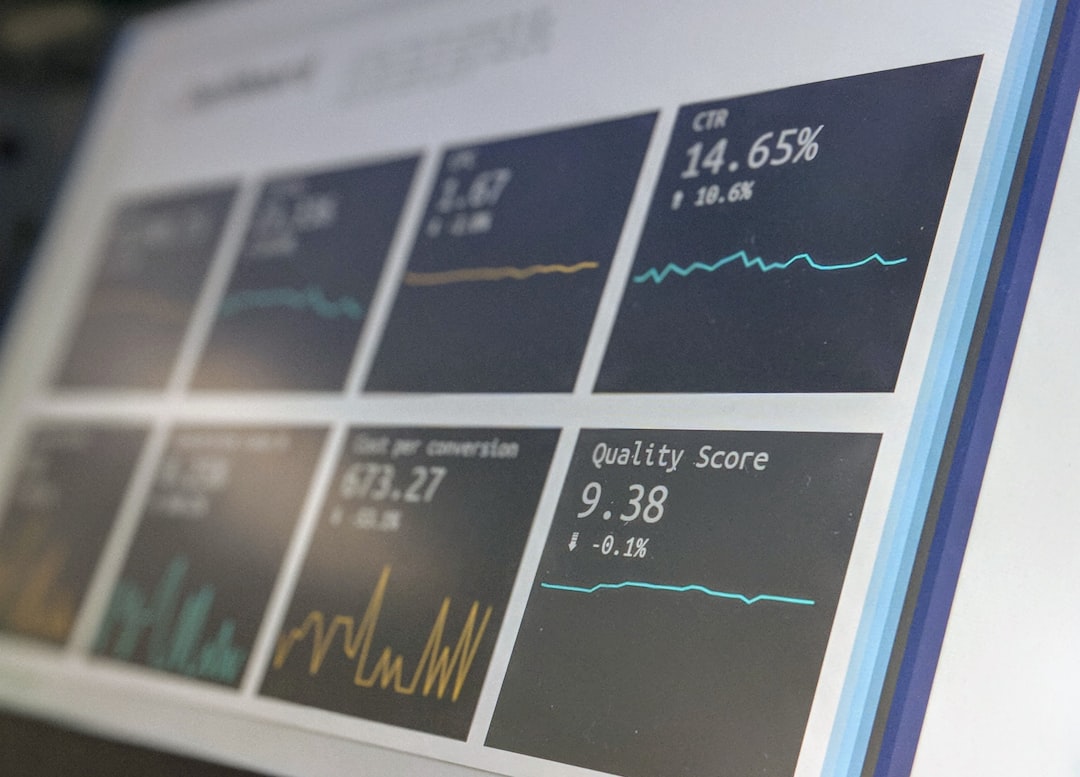
This level of responsiveness increases revenue without increasing workload. Funnels effectively become autonomous revenue machines.
5. AI-Powered Affiliate and Partnership Networks
Affiliate marketing has evolved into a sophisticated, AI-enhanced strategy. Modern tools now:
- Identify high-converting products automatically
- Match creators with aligned brand partnerships
- Generate optimized promotional sequences
- Track performance and adjust in real time
Creators no longer guess which products will resonate with their audience. AI analyzes engagement data, audience demographics, and behavioral signals to suggest ideal affiliate partnerships.
The system may even create customized landing pages for different audience segments, increasing conversions while maintaining authenticity.
As a result, affiliate income has shifted from sporadic commissions to structured, predictable revenue streams.
6. Personalized AI Assistants for Audience Engagement
One major barrier to scaling used to be audience interaction. Answering direct messages, comments, and emails consumed enormous time. In 2026, creators deploy branded AI assistants trained on their voice, style, and knowledge base.
These assistants can:
- Respond to FAQs
- Provide product recommendations
- Offer basic coaching prompts
- Route complex issues to the creator
The result is a hybrid support model where automation handles 80% of communication while the creator focuses on high-impact interactions.
Some creators monetize these assistants directly by offering premium AI chat access as part of membership tiers.

This transforms engagement from a time drain into a monetizable asset.
7. Data-Driven Micro-Product Launches
Instead of large, risky product launches, creators in 2026 rely on data-driven micro-products. AI analyzes:
- Search queries from the audience
- Comment sentiment trends
- High-performing content themes
- Community poll results
Based on this information, creators release small, targeted products such as:
- Mini-courses
- Exclusive templates
- Niche workshops
- Specialized prompt packs
These products require less upfront investment but convert at higher rates because they are aligned precisely with audience demand.
AI also forecasts revenue projections before launch, reducing financial uncertainty.
The Bigger Picture: Ecosystems, Not Tactics
What separates top earners from average creators in 2026 is not just tool usage—it’s system design.
Successful creators build interconnected ecosystems where:
- Content fuels lead magnets
- Lead magnets feed automated funnels
- Funnels sell evergreen products
- Products upsell into memberships
- Memberships promote affiliate partnerships
Each component feeds the next, creating compounding returns. AI acts as the infrastructure that holds everything together, analyzes performance, and continuously improves results.
Automation is no longer optional; it is foundational.
Common Characteristics of Creators Succeeding with AI
- They prioritize systems over hustle.
- They reinvest AI-driven profits into scaling automation.
- They use data before making creative decisions.
- They personalize experiences at scale.
- They continuously optimize.
Rather than fearing automation, they treat it as a multiplyer of creativity. AI handles repetition while humans focus on differentiation.
Conclusion
In 2026, digital creators are no longer limited by hours in a day. By combining artificial intelligence with smart monetization strategies, they are building income streams that operate continuously and adapt automatically. From intelligent funnels to AI-moderated communities and rapid digital product launches, today’s creators are architects of scalable ecosystems.
The most successful among them understand one key principle: automation amplifies expertise. Those who design systems thoughtfully and strategically are turning creativity into predictable, long-term wealth.
Frequently Asked Questions (FAQ)
1. Do creators need technical skills to build AI-powered income streams?
No. Most 2026 AI platforms are designed with no-code interfaces. Creators primarily need strategic thinking rather than programming expertise.
2. Is AI replacing human creativity?
AI enhances productivity but does not replace original ideas, personality, or expertise. The most profitable creators combine authentic insights with automated execution.
3. What is the fastest AI income stream to start?
AI-assisted digital products such as template packs, guides, or short micro-courses are typically the quickest to launch.
4. Are automated income streams truly passive?
They are better described as low-maintenance rather than fully passive. Regular optimization and occasional updates improve long-term performance.
5. How important is personalization in 2026?
Extremely important. AI-driven personalization significantly improves engagement, retention, and conversion rates.
6. Can small creators compete with large influencers using AI?
Yes. AI reduces operational disadvantages, allowing smaller creators to operate with the efficiency of larger teams.
7. What is the biggest mistake creators make with AI tools?
Relying on tools without designing a cohesive system. AI works best when integrated into a broader, interconnected monetization strategy.