
Live Chat Tools For Real-Time Customer Communication
In today’s digital marketplace, speed and clarity of communication are central to customer satisfaction. Businesses are expected to respond instantly, resolve issues efficiently, and maintain consistent engagement across multiple channels. Live chat tools for real-time customer communication have emerged as one of the most effective solutions to meet these expectations. They combine immediacy, convenience, and measurable performance, enabling organizations to deliver timely support while strengthening trust and loyalty.
TLDR: Live chat tools allow businesses to provide instant, real-time support to customers across digital platforms. They improve customer satisfaction, reduce response times, and enhance operational efficiency through automation and centralized communication. When properly implemented, live chat increases conversions, strengthens brand trust, and provides valuable data insights. Choosing the right platform requires careful consideration of scalability, integration, security, and usability.
Real-time communication has shifted from being a competitive advantage to becoming a fundamental expectation. Customers now prefer quick resolutions over long email chains and extended hold times. Live chat addresses this demand directly by offering immediate access to support agents or automated systems that can deliver answers within seconds.
Why Live Chat Matters in Modern Customer Service
Table of Contents
Customers today value speed and convenience above nearly everything else. Research consistently shows that users are more likely to stay on a website and complete a transaction when live chat support is available. It creates reassurance during the decision-making process and reduces friction at critical points in the customer journey.
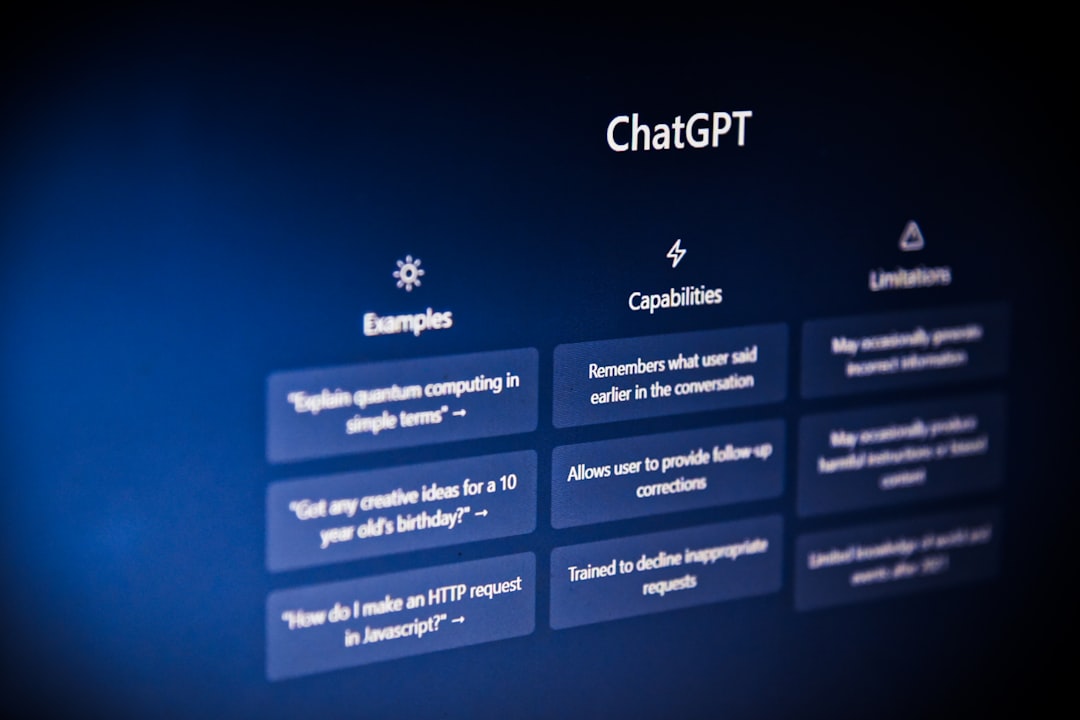
The importance of live chat can be summarized in several key advantages:
- Immediate Response: Customers receive near-instant answers, reducing frustration.
- Higher Engagement: Proactive chat invitations encourage interaction.
- Increased Conversions: Quick clarification during checkout reduces cart abandonment.
- Cost Efficiency: Agents can manage multiple chats simultaneously.
- Customer Insight: Conversations generate valuable behavioral data.
Compared to phone support, live chat often reduces operational costs while maintaining high satisfaction levels. Compared to email, it eliminates delays that can lead to dissatisfaction or lost sales. This balance of efficiency and quality is what makes live chat indispensable for many industries.
Core Features of Effective Live Chat Tools
Not all live chat platforms are created equal. Reliable solutions provide a combination of usability, security, and scalability. Businesses evaluating options should look for functionality that supports both customer needs and internal workflows.
Essential features include:
- Real-Time Messaging: Seamless two-way communication with minimal latency.
- Chat Routing: Automatic assignment to the correct department or agent.
- Chatbots and Automation: AI-powered responses for common inquiries.
- CRM Integration: Synchronization with customer databases.
- Analytics and Reporting: Performance metrics and conversation tracking.
- Multi-Channel Support: Integration with websites, apps, and social platforms.
- Security Protocols: Encryption and data compliance protections.
Automation plays a particularly transformative role. Smart chatbots can handle repetitive questions, such as order status inquiries or password resets, allowing human agents to focus on more complex issues. This hybrid model increases productivity while maintaining personalization for cases that require empathy or nuanced understanding.
The Business Impact of Real-Time Communication
Implementing live chat solutions produces tangible results across sales, marketing, and customer service departments. The impact extends beyond quick responses; it influences overall brand perception and organizational performance.
From a revenue perspective, live chat can boost conversion rates. When customers hesitate during checkout or subscription signups, a proactive message such as “Can I help you?” may address their concerns instantly. This immediate intervention often prevents abandonment.

From a service standpoint, live chat strengthens satisfaction metrics:
- Reduced Resolution Times: Faster problem-solving improves ratings.
- Higher First-Contact Resolution: Issues handled in one interaction.
- Improved Loyalty: Positive support experiences increase retention.
Internally, organizations benefit from detailed analytics. Managers can assess:
- Average response times
- Customer satisfaction scores
- Agent workload distribution
- Peak traffic hours
This data-driven oversight supports continuous optimization and measurable accountability.
Best Practices for Implementation
Simply installing a chat widget on a website is not sufficient. Successful adoption requires strategic planning and ongoing refinement. Companies must align their live chat deployment with broader customer experience goals.
Key best practices include:
- Define Clear Objectives: Determine whether the focus is support, lead generation, or sales assistance.
- Train Support Teams: Equip agents with communication guidelines and technical knowledge.
- Use Proactive Messaging Carefully: Avoid intrusive popups that disrupt the user journey.
- Monitor Performance Regularly: Review reports and adjust staffing levels.
- Ensure Omnichannel Consistency: Integrate chat records with email and phone histories.
Professional tone and clarity are critical. Unlike phone conversations, written exchanges lack vocal cues. Agents must therefore use precise language and maintain a respectful, solution-oriented approach. Structured scripts and internal knowledge bases enhance reliability without sacrificing personalization.
Security and Compliance Considerations
Because live chat tools process sensitive customer information, security must be a priority. Trust can erode quickly if data protection measures are weak or inconsistently applied.

Organizations should evaluate:
- End-to-End Encryption: Protection for data in transit.
- Access Controls: Role-based permission management.
- Data Storage Policies: Clear retention and deletion guidelines.
- Regulatory Compliance: Alignment with regional privacy laws.
Customers increasingly expect transparency regarding how their information is used. Clear privacy statements within chat interfaces reinforce professionalism and reliability.
Live Chat and Customer Experience Strategy
Live chat tools should not operate in isolation. They must be integrated into a larger customer experience framework. This means aligning tone, branding, and service standards across all communication channels.
For example, a customer who begins with chatbot assistance may escalate to a live agent and later follow up via email. The experience should feel seamless and cohesive. Fragmented systems create repetitive questioning and frustration.
Effective strategies include:
- Unified Customer Profiles: Centralized data for consistent context.
- Omnichannel Conversation History: Full visibility across touchpoints.
- Feedback Loops: Post-chat surveys to measure satisfaction.
By embedding chat tools into broader engagement systems, organizations deliver continuity rather than isolated interactions.
Evaluating the Right Tool for Your Organization
Selecting an appropriate live chat solution requires careful assessment of organizational needs. A small business may prioritize affordability and simplicity, while an enterprise-level company may require advanced automation, multilingual capabilities, and enterprise-grade security.
Decision-makers should consider:
- Scalability: Can the platform grow alongside the business?
- Ease of Integration: Compatibility with CRM, helpdesk, and ecommerce systems.
- User Experience: Intuitive interfaces for both customers and agents.
- Reporting Depth: Availability of actionable analytics.
- Customization Options: Ability to reflect brand identity.
Proof-of-concept testing or pilot deployments are advisable before full implementation. This allows teams to evaluate technical performance, workflow compatibility, and user satisfaction under real conditions.
The Future of Real-Time Customer Communication
The evolution of live chat continues through artificial intelligence, predictive analytics, and integrated messaging ecosystems. AI-driven insights increasingly anticipate customer needs based on browsing behavior or purchase history, offering help before frustration arises.
Meanwhile, conversational interfaces are blending across channels—website chat, in-app messaging, and social platforms unify communication threads. This interconnected approach ensures that real-time engagement remains accessible wherever customers prefer to interact.
Despite technological advancements, the human element remains irreplaceable. Empathy, problem-solving judgment, and relationship-building skills continue to define exceptional support. The most successful organizations combine automation efficiency with human understanding to deliver balanced, responsive service.
Conclusion
Live chat tools for real-time customer communication have become a foundational component of modern business strategy. They enable rapid responses, strengthen trust, and generate actionable operational insights. By combining automation, analytics, and human expertise, organizations can deliver service that meets rising customer expectations without compromising efficiency.
When thoughtfully implemented and carefully managed, live chat does more than solve problems in the moment. It reinforces brand credibility, fosters long-term loyalty, and positions businesses to compete effectively in an increasingly fast-paced digital environment.