Mixpanel Apps and Tools for Product Analytics and User Tracking
Understanding how users interact with digital products is no longer optional—it’s the foundation of modern product development. Whether you’re building a mobile app, SaaS platform, or e-commerce store, the ability to track, analyze, and act on user behavior determines how quickly you can improve and grow. Mixpanel has emerged as one of the most powerful product analytics platforms for teams that want deep behavioral insights rather than surface-level metrics. Its suite of apps and tools enables businesses to move beyond pageviews and dig into meaningful user actions.
TLDR: Mixpanel is a powerful product analytics platform designed to track and analyze user behavior in web and mobile applications. It offers tools such as event tracking, funnels, retention analysis, cohorts, and A/B testing integrations to help teams optimize product growth. With real-time dashboards, behavioral segmentation, and collaboration features, Mixpanel empowers product, marketing, and data teams to make informed decisions. Its apps and integrations make it adaptable for startups and enterprises alike.
What Makes Mixpanel Different?
Table of Contents
Traditional analytics platforms often focus on traffic-based metrics—pageviews, sessions, bounce rates. Mixpanel takes a behavior-first approach, tracking events instead of just visits. An event could be anything meaningful within your app, such as:
- Signing up for an account
- Completing a purchase
- Watching a video
- Clicking a feature button
- Inviting a friend
By focusing on custom-defined user actions, Mixpanel provides a clearer picture of how customers truly engage with your product.
Core Mixpanel Apps and Tools
Mixpanel offers a robust collection of analytics tools designed to work together seamlessly. Each tool addresses a specific aspect of product growth and user understanding.
1. Event Tracking
At the heart of Mixpanel is its event tracking system. Teams define key events they want to measure, then send data from their app to Mixpanel using SDKs or APIs. These SDKs are available for:
- Web applications (JavaScript)
- iOS apps
- Android apps
- Server-side implementations
This flexibility makes Mixpanel suitable for virtually any digital product environment. Events can include properties—additional details such as location, device type, subscription plan, or campaign source—allowing for more nuanced analysis.
2. Funnels
Funnels allow teams to visualize the steps users take toward a specific goal. For example:
- Create an account
- Verify email
- Complete onboarding
- Make first purchase
Mixpanel’s Funnel Analysis feature shows where users drop off and how long they take to move between steps. This is particularly valuable for improving onboarding experiences, checkout flows, and feature adoption.
With breakdown options, you can segment funnels by user type, acquisition source, device, or geographic region. This helps teams understand not just where users drop off—but why.
3. Retention Reports
Retention is a critical metric for any subscription-based or app-driven business. Mixpanel’s retention tools measure how often users return after their first interaction.
Retention reports can answer questions like:
- How many users return after 7 days?
- What percentage of customers stay active after one month?
- Do users who complete onboarding retain better?
By identifying behaviors associated with long-term retention, teams can prioritize features that truly drive loyalty.
4. Cohort Analysis
Cohorts are groups of users who share common characteristics or behaviors. Mixpanel enables you to build dynamic cohorts based on:
- Actions taken
- Frequency of behavior
- User properties
- Acquisition channels
For example, you can create a cohort of users who completed three purchases within their first week. These cohorts can then be used in further reports or exported to marketing automation tools for targeted campaigns.
This capability bridges the gap between analytics and action, ensuring data doesn’t just sit in dashboards—it drives engagement.
5. Dashboards and Reporting
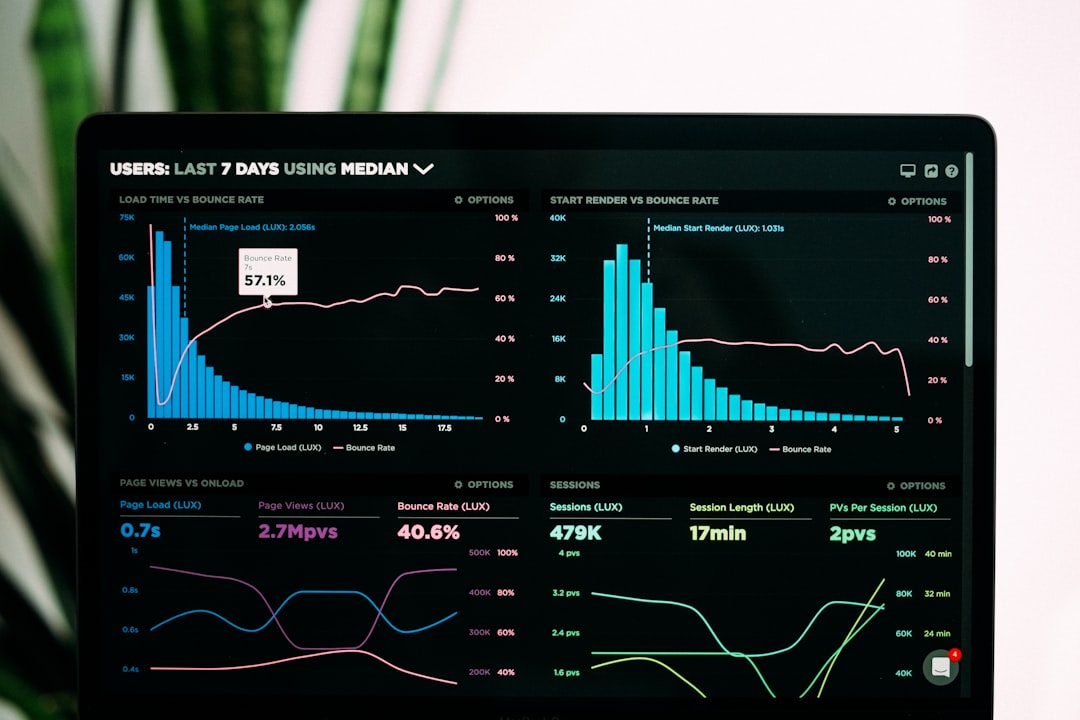
Mixpanel’s customizable dashboards allow teams to build and share visual reports across the organization. Stakeholders can view metrics in real time without needing advanced data expertise.
Key dashboard features include:
- Real-time data updates
- Custom KPIs
- Shared team workspaces
- Scheduled reports
This collaborative environment ensures that product, marketing, and leadership teams align around the same metrics.
6. A/B Testing Integration
While Mixpanel itself is not strictly an experimentation tool, it integrates seamlessly with A/B testing platforms. It allows teams to measure how different variations impact user behavior over time.
With proper experiment tagging, you can analyze:
- Conversion improvements
- Feature adoption rates
- Revenue per user
- Long-term retention changes
This connection between experimentation and analytics enables smarter product iteration.
Mixpanel for Mobile Apps
Mobile analytics is one of Mixpanel’s strongest use cases. Mobile apps require deeper insight into in-app behaviors, push notification engagement, and user flows.
With Mixpanel’s mobile SDKs, you can track:
- Screen views
- Button taps
- In-app purchases
- Push notification clicks
- Session frequency
Mobile-specific features such as in-app messaging insights and device segmentation provide additional context for engagement strategies.
Integrations and Ecosystem
One of Mixpanel’s greatest strengths is its integration ecosystem. It connects with numerous external platforms, including:
- Marketing tools (HubSpot, Marketo, Mailchimp)
- Data warehouses (Snowflake, BigQuery)
- Customer support tools (Zendesk, Intercom)
- Experimentation platforms
- Visualization tools (Tableau)
Through these integrations, Mixpanel becomes part of a larger data pipeline rather than a standalone analytics tool. Teams can sync cohorts into ad platforms or marketing automation systems for personalized outreach.
Advanced Features for Enterprise Teams
For larger organizations, Mixpanel provides advanced capabilities including:
- Data governance controls
- Role-based permissions
- Custom data pipelines
- Predictive analytics modeling
These features allow enterprises to scale analytics securely while maintaining data accuracy and compliance standards.
Benefits of Using Mixpanel
Organizations choose Mixpanel for several strategic advantages:
- Granular behavioral data rather than surface metrics
- Self-service analytics for non-technical teams
- Real-time insights for faster decision-making
- Highly customizable tracking
- Strong mobile analytics capabilities
Perhaps its most significant benefit is enabling a culture of experimentation. With detailed behavioral tracking, teams can form hypotheses, test changes, and measure impact accurately.
Potential Challenges
No analytics platform is without challenges. Mixpanel requires careful event planning before implementation. Poorly structured tracking can lead to messy data and confusion later.
Additionally:
- Initial setup may require developer involvement.
- Complex queries can have a learning curve.
- Large-scale data usage may increase costs.
However, with proper planning and governance, these challenges can be effectively managed.
Best Practices for Getting Started
To maximize value from Mixpanel, consider these best practices:
- Define clear goals before tracking events.
- Create a detailed tracking plan document.
- Align stakeholders on key performance indicators.
- Start with core events and expand gradually.
- Regularly audit event consistency and data quality.
By approaching implementation strategically, teams avoid cluttered dashboards and instead build reports that truly drive insights.
The Future of Product Analytics with Mixpanel
The product analytics landscape continues to evolve with increased use of AI and predictive modeling. Mixpanel is incorporating machine learning insights to help identify churn risks, growth opportunities, and engagement trends automatically.
As privacy regulations grow stricter, Mixpanel also emphasizes secure data handling and responsible tracking. This balance between innovation and compliance makes it a forward-looking analytics solution.
Conclusion
Mixpanel stands out as a powerful, flexible platform for product analytics and user tracking. Its event-based tracking system, coupled with advanced tools like funnels, retention reports, and cohort analysis, gives teams detailed insights into user behavior. Whether you’re optimizing onboarding, increasing conversion rates, or improving long-term retention, Mixpanel provides the analytical depth needed to make informed product decisions.
For startups seeking rapid experimentation and enterprises requiring scalable insights, Mixpanel offers a comprehensive toolkit. In a competitive digital landscape, understanding how users behave isn’t just helpful—it’s essential. And with the right implementation strategy, Mixpanel can become the central engine driving smarter, data-informed product growth.