

5 eCommerce Tools and Apps for Inventory and Order Management
Managing inventory and orders efficiently is one of the biggest challenges in eCommerce. As businesses grow, manual tracking quickly becomes unsustainable, leading to overselling, shipping delays, unhappy customers, and lost revenue. Fortunately, modern inventory and order management tools automate these processes, offering real-time insights, streamlined workflows, and integrations with major sales channels. Choosing the right platform can dramatically improve operational efficiency and customer satisfaction.
TLDR: The right inventory and order management tool can automate stock tracking, streamline fulfillment, and prevent costly errors. Top solutions like TradeGecko (QuickBooks Commerce), Zoho Inventory, Cin7, ShipBob, and Orderhive offer robust features for growing eCommerce stores. Each tool excels in different areas—from multichannel syncing to advanced warehouse management. Carefully evaluating your business needs will help you select the best fit.
Below are five powerful eCommerce tools and apps that stand out for their functionality, scalability, and ease of integration.
1. QuickBooks Commerce (Formerly TradeGecko)
Table of Contents
Best for: Businesses needing strong accounting and inventory integration
QuickBooks Commerce is a robust inventory and order management platform designed for growing businesses. It provides real-time stock visibility, centralized order management, and seamless accounting integration with QuickBooks.
Its platform is particularly appealing to wholesalers and multi-channel sellers who need accurate forecasting and organized supplier management.
- Real-time inventory tracking across multiple warehouses
- Seamless integration with Shopify, WooCommerce, Amazon, and more
- Built-in reporting and demand forecasting
- Automated purchase order creation
By synchronizing accounting and inventory data, businesses reduce manual entry errors and gain clearer financial insights.

2. Zoho Inventory
Best for: Small to medium-sized businesses seeking affordability and flexibility
Zoho Inventory offers a feature-rich yet budget-friendly solution for tracking inventory and managing orders. It integrates seamlessly with other Zoho products, making it ideal for businesses already using the Zoho ecosystem.
One of its standout features is its end-to-end order management capability, from sales order creation to shipment tracking and invoicing.
- Multichannel selling (Amazon, eBay, Shopify, Etsy)
- Automated workflows and reorder points
- Batch and serial number tracking
- Shipping integrations with major carriers
Zoho Inventory is particularly effective for businesses scaling from manual spreadsheets to automated systems without overwhelming complexity.
3. Cin7
Best for: Complex operations and multichannel retail
Cin7 is a comprehensive inventory and order management system designed for businesses managing both online and offline sales. It combines POS systems, EDI integrations, warehouse management, and production tracking into one platform.
What makes Cin7 stand out is its ability to support large product catalogs and advanced supply chains. For businesses with multiple warehouses or retail stores, Cin7 provides deep operational visibility.
- Integrated POS and B2B portal
- Advanced warehouse management features
- EDI for retailer compliance
- Demand forecasting and reporting tools
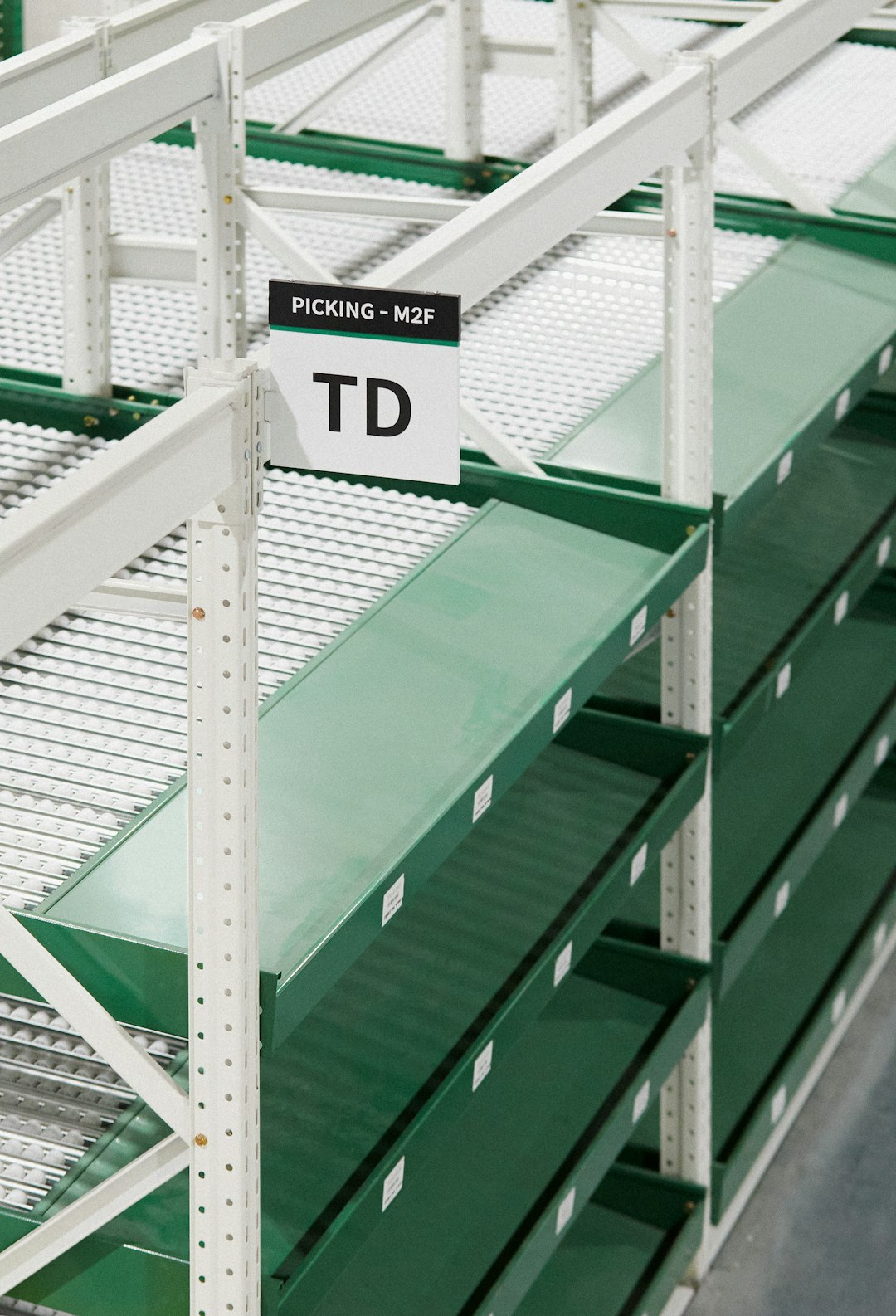
Though powerful, Cin7 may have a steeper learning curve. However, its sophistication often justifies the investment for larger operations.
4. ShipBob
Best for: Businesses outsourcing fulfillment
ShipBob operates slightly differently from traditional inventory tools. It is a technology-enabled fulfillment service that stores your inventory in its network of warehouses and handles order fulfillment on your behalf.
For brands that prefer to focus on marketing and growth rather than logistics, ShipBob offers a compelling solution. Its dashboard provides detailed analytics and real-time inventory updates.
- Distributed warehouse network
- Two-day shipping capabilities
- Integrated inventory and shipment tracking
- Comprehensive analytics dashboard
By shortening shipping distances and optimizing stock placement, ShipBob helps reduce delivery times and shipping costs.
5. Orderhive (Now part of Cin7 Orderhive)
Best for: Automation-driven eCommerce sellers
Orderhive focuses heavily on automation and multichannel synchronization. It allows sellers to manage orders from various platforms in one central dashboard, minimizing errors and delays.
This tool is particularly appreciated for its customizable workflows, making it easy to automate repetitive processes like order routing and stock updates.
- Centralized order processing
- Automated stock level updates
- Shipping label generation
- Powerful analytics and reporting tools

Orderhive is well-suited for fast-growing online sellers expanding across multiple marketplaces.
Comparison Chart
| Tool | Best For | Multi-Channel Sync | Warehouse Management | Accounting Integration | Fulfillment Services |
|---|---|---|---|---|---|
| QuickBooks Commerce | Accounting-focused businesses | Yes | Basic to Advanced | Strong (QuickBooks) | No |
| Zoho Inventory | SMBs | Yes | Moderate | Zoho Books | No |
| Cin7 | Large multichannel retailers | Yes | Advanced | Yes | No |
| ShipBob | Outsourced fulfillment | Yes | Managed by ShipBob | Limited | Yes |
| Orderhive | Automation-first sellers | Yes | Moderate | Yes | No |
Key Factors to Consider When Choosing a Tool
Selecting the right app isn’t just about features—it’s about alignment with your specific operations. Here are a few important considerations:
- Business Size: A startup may not need enterprise-grade features.
- Sales Channels: Ensure the software integrates with your marketplaces.
- Automation Needs: Tools with workflow automation reduce manual labor.
- Scalability: Choose a platform that grows with your business.
- Budget: Pricing structures vary significantly.
It’s also wise to take advantage of free trials or demos. Testing usability firsthand often reveals whether the interface suits your team’s workflow.
Final Thoughts
Inventory and order management are the backbone of a successful eCommerce operation. Without reliable systems in place, even the best marketing strategy can crumble under logistical inefficiencies.
QuickBooks Commerce shines in accounting integration, Zoho Inventory offers accessible yet powerful tools for smaller businesses, Cin7 excels in operational complexity, ShipBob handles the fulfillment burden, and Orderhive leads with automation and multichannel synchronization.
Ultimately, the best solution depends on your business model, growth stage, and operational priorities. By investing in the right technology today, you lay the groundwork for smoother operations, happier customers, and scalable growth tomorrow.