6 Voice Transcription Platforms For Accurate Speech-To-Text
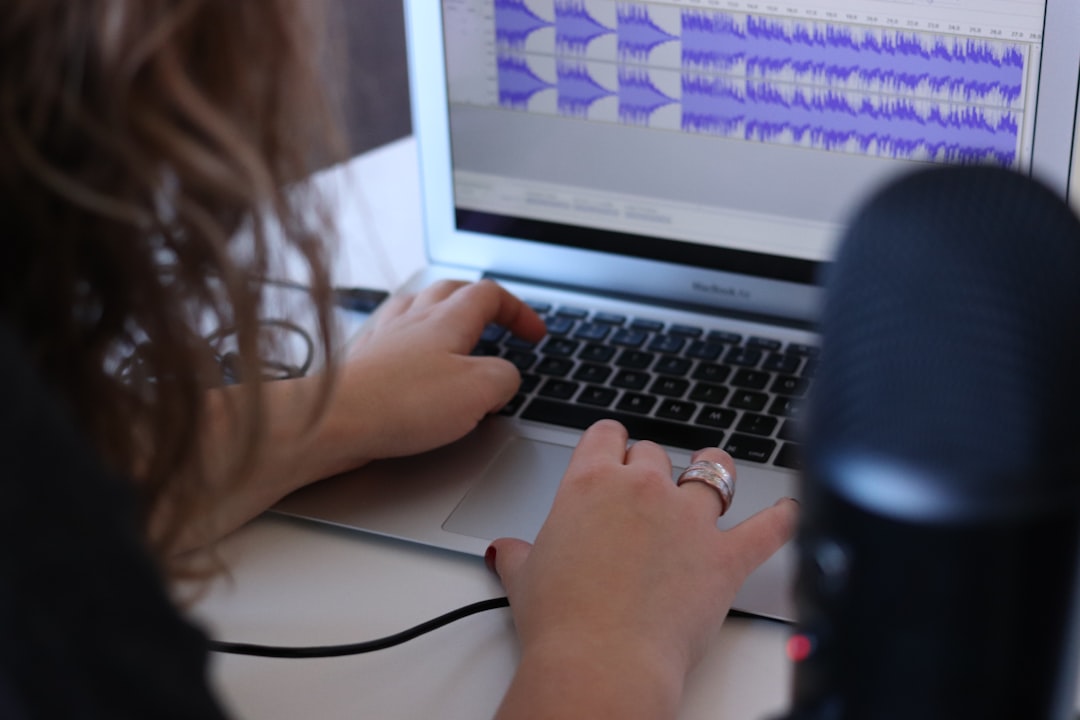
In a world where meetings are recorded, interviews are archived, and content is created at scale, accurate speech-to-text technology has become essential rather than optional. Modern voice transcription platforms go far beyond simple dictation, offering real-time processing, speaker identification, multilingual support, and deep integrations with productivity tools. For businesses, journalists, researchers, and content creators alike, choosing the right platform can significantly improve efficiency, reduce manual workload, and enhance documentation accuracy.
TL;DR: Voice transcription platforms have evolved into powerful productivity tools capable of delivering highly accurate, real-time speech-to-text conversion. The best solutions combine advanced AI models, speaker recognition, multilingual capabilities, and strong data security. Top platforms such as Otter, Rev, Trint, Descript, Sonix, and Google Cloud Speech-to-Text stand out for reliability and performance. Selecting the right one depends on your priorities: accuracy, collaboration, editing tools, or enterprise scalability.
Why Accurate Speech-to-Text Matters
Table of Contents
Voice transcription is no longer limited to simple note-taking. Today, it supports:
- Business meetings and webinars
- Legal and medical documentation
- Journalism and interviews
- Podcast and video production
- Academic research
Accuracy is critical. Even small transcription errors can distort meaning, create compliance risks, or increase editing time. High-quality AI-driven transcription platforms use advanced natural language processing (NLP), acoustic modeling, and contextual awareness to reduce error rates significantly.
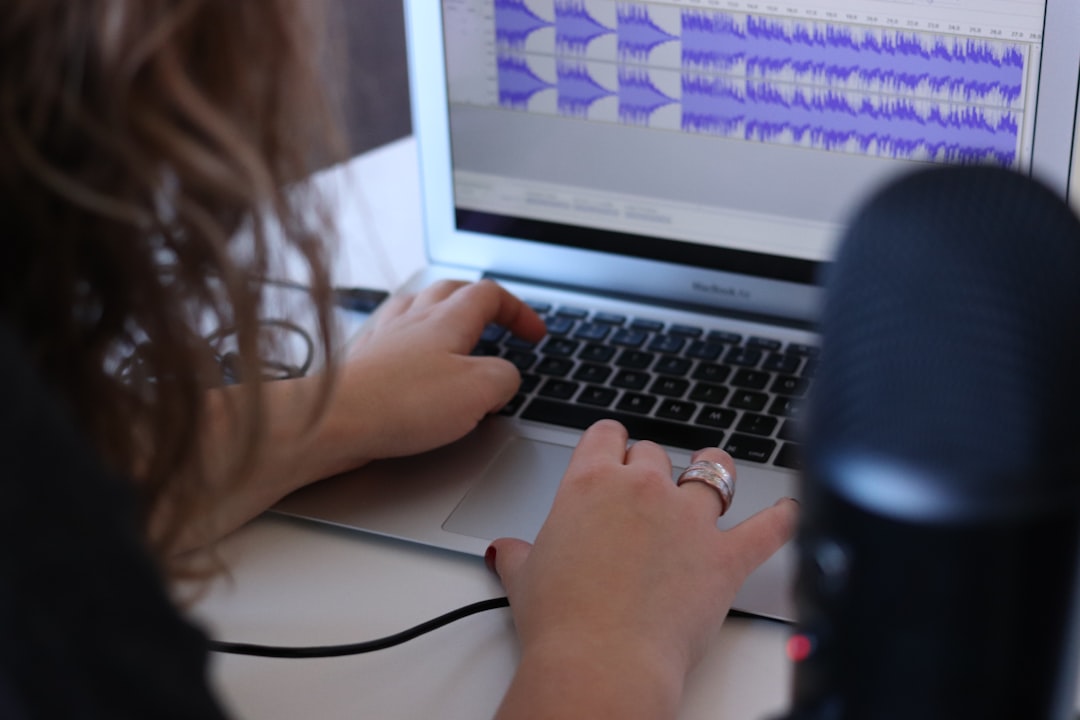
Below are six reliable and widely respected voice transcription platforms that consistently deliver strong performance.
1. Otter.ai
Best for: Real-time meeting transcription and team collaboration
Otter.ai has become a leading solution for live meeting transcription, particularly in corporate and educational environments. Its strength lies in real-time conversion combined with collaborative features.
Key Features:
- Live transcription during meetings
- Automatic speaker identification
- Searchable and shareable transcripts
- Integrations with Zoom, Google Meet, and Microsoft Teams
Otter’s AI adapts to voice patterns over time, improving recognition accuracy. The platform also highlights keywords and generates automated summaries, which is especially valuable for teams that need actionable meeting notes quickly.
Limitation: Accuracy may decrease in highly technical discussions unless custom vocabulary training is applied.
2. Rev
Best for: High-accuracy professional transcripts
Rev offers both automated and human-powered transcription services. While its AI transcription is competitive, Rev’s human transcription service remains a benchmark for near-perfect accuracy.
Key Features:
- AI and human transcription options
- Caption and subtitle generation
- Fast turnaround times
- Strong data confidentiality policies
Rev is especially popular in legal, media, and academic sectors where precision is paramount. Businesses handling sensitive materials benefit from its secure processing protocols.
Limitation: Human transcription, while highly accurate, can be more costly than AI-only solutions.
3. Trint
Best for: Journalists and media professionals
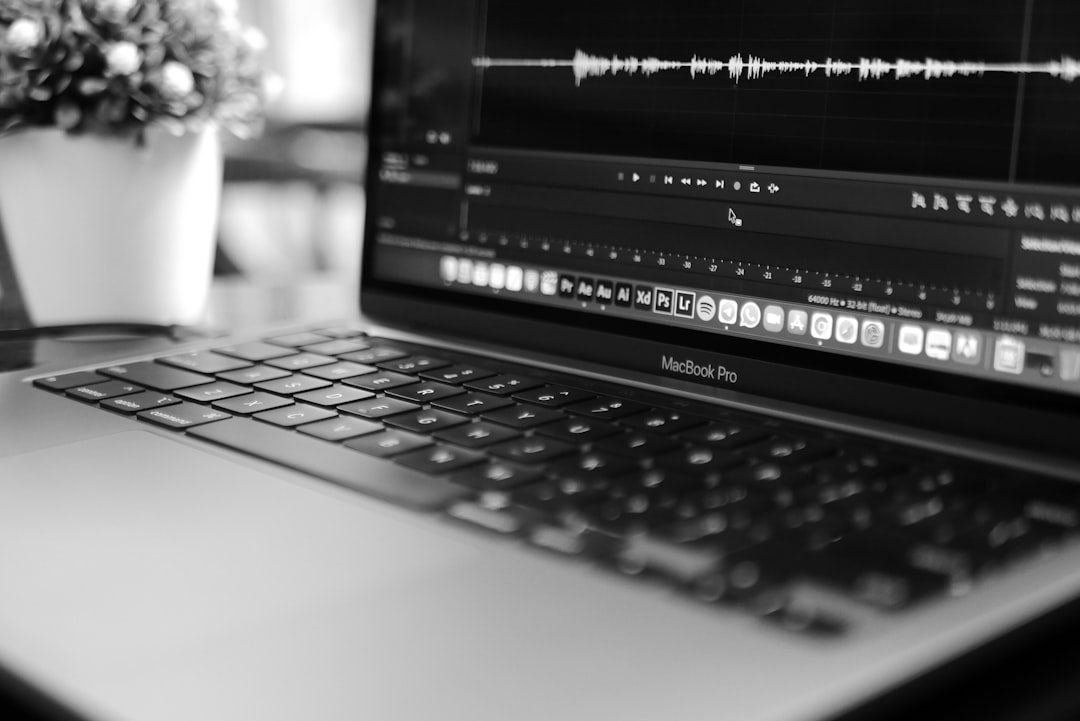
Trint was designed with content creators in mind. It not only transcribes but also enables powerful editing within the transcript itself. Users can treat text like an editable script while the corresponding audio adjusts automatically.
Key Features:
- Automatic transcription in multiple languages
- Integrated text-based audio editing
- Collaboration tools for editorial teams
- Export options for publishing platforms
Trint’s interface is clean and intuitive, making it suitable for fast-paced newsroom environments. It also handles multiple accents effectively, which is crucial for international reporting.
Limitation: Pricing may be higher compared to basic transcription tools, particularly for small teams.
4. Descript
Best for: Podcasters and video creators
Descript stands out by combining transcription with advanced audio and video editing capabilities. Users can edit media files simply by editing text, dramatically streamlining the content production process.
Key Features:
- Text-based audio and video editing
- Overdub feature for AI voice correction
- Screen recording integration
- High-quality automatic transcription
Descript’s AI voice cloning feature, known as Overdub, allows creators to correct mistakes without re-recording entire segments. This level of integration makes it more than a transcription tool—it’s a comprehensive production suite.
Limitation: The wide feature set may feel overwhelming for users who only need straightforward transcription.
5. Sonix
Best for: Multilingual transcription
Sonix is known for its strong multilingual support and automated translation capabilities. For global businesses and international research teams, this is a critical advantage.
Key Features:
- Automatic transcription in over 40 languages
- Built-in translation tools
- AI-powered topic detection
- Time-coded transcripts for easy navigation
The platform’s browser-based editor is efficient and user-friendly. It also offers detailed word-by-word timestamps, making media synchronization simple and precise.

Limitation: As with most automated systems, heavy background noise can reduce accuracy.
6. Google Cloud Speech-to-Text
Best for: Enterprise-level scalability and customization
Google Cloud Speech-to-Text is a developer-focused solution that leverages Google’s deep machine learning infrastructure. It is particularly suited for companies building custom applications that require embedded voice recognition.
Key Features:
- Highly scalable API integration
- Support for 125+ languages and variants
- Custom model training for specialized vocabulary
- Strong security and compliance standards
Because it operates via API, this solution is less about user interface and more about backend power. Enterprises can train models for medical, financial, or legal terminology to significantly improve domain-specific accuracy.
Limitation: Requires technical expertise to deploy and manage effectively.
Key Factors to Consider When Choosing a Platform
Selecting the most suitable transcription tool involves evaluating several criteria:
1. Accuracy Rate
Look for platforms that maintain accuracy rates above 85–90% for automated transcription. Human-reviewed options typically achieve 99% accuracy.
2. Language Support
If your organization operates internationally, multilingual capabilities are essential. Accents and dialect recognition also play a significant role in overall reliability.
3. Real-Time vs. Post-Processing
Real-time transcription is valuable for meetings and live events, while post-processing may allow deeper editing and refinement.
4. Data Security
For industries like healthcare and legal services, encryption and regulatory compliance (such as GDPR or HIPAA) are critical considerations.
5. Integration and Workflow Compatibility
The platform should integrate smoothly with your video conferencing software, cloud storage, or content management systems.
The Future of Voice Transcription
Speech recognition technology continues to improve rapidly. Advances in deep learning and contextual AI are reducing word error rates and improving dialect comprehension. Emerging systems are becoming better at detecting tone, intent, and even sentiment.
We can expect future platforms to offer:
- Improved emotional and contextual recognition
- Greater personalization through adaptive learning
- Enhanced summarization and insight extraction
- Tighter integration with AI assistants
As organizations increasingly rely on digital documentation and remote collaboration, voice transcription will remain a foundational technology.
Final Thoughts
Accurate speech-to-text solutions are not merely conveniences—they are strategic tools that enhance productivity, improve documentation, and reduce administrative overhead. Whether you are a journalist who needs editable transcripts, a corporation requiring secure meeting records, or a developer building scalable voice-enabled applications, there is a platform tailored to your needs.
Otter excels in collaboration. Rev offers unmatched human-level accuracy. Trint and Descript empower content creators. Sonix supports multilingual operations. Google Cloud Speech-to-Text provides enterprise-grade customization and scalability.
Choosing carefully ensures not only accurate transcription but also long-term efficiency and reliability in a voice-first digital landscape.



![What Is a SATA Cable Used For? [Guide 2025]](https://hitechweirdo.com/wp-content/uploads/2025/09/computer-power-supply-cables-are-displayed-sata-cable-types-computer-cables-data-and-power-connection-770x578.jpg)