The Art of Western Embroidery: Tradition Meets Modern Style
Western embroidery stands at a crossroads of heritage and innovation, where time-honored stitches meet contemporary design sensibilities. Rooted in centuries of cultural expression, it has traveled from rural communities and ceremonial garments into modern fashion houses, interior design studios, and personal creative practices. This evolution reflects not only changes in style but also a growing appreciation for craftsmanship, storytelling, and individuality.
TLDR: Western embroidery blends deep historical traditions with modern aesthetics, creating a versatile art form that spans fashion, home décor, and personal expression. Once tied closely to regional identities and manual skill, it has evolved through industrialization and technology while maintaining its cultural soul. Today, designers reimagine classic stitches with contemporary themes, materials, and purposes. The result is a living art that honors its past while confidently embracing the future.
Roots of Western Embroidery
Table of Contents
The origins of Western embroidery can be traced back to ancient civilizations in Europe and the Mediterranean. Early examples adorned ceremonial robes, religious textiles, and household items, often serving as indicators of social status, profession, or regional identity. Techniques were passed from one generation to the next, primarily through women, who used embroidery as both practical labor and creative expression.
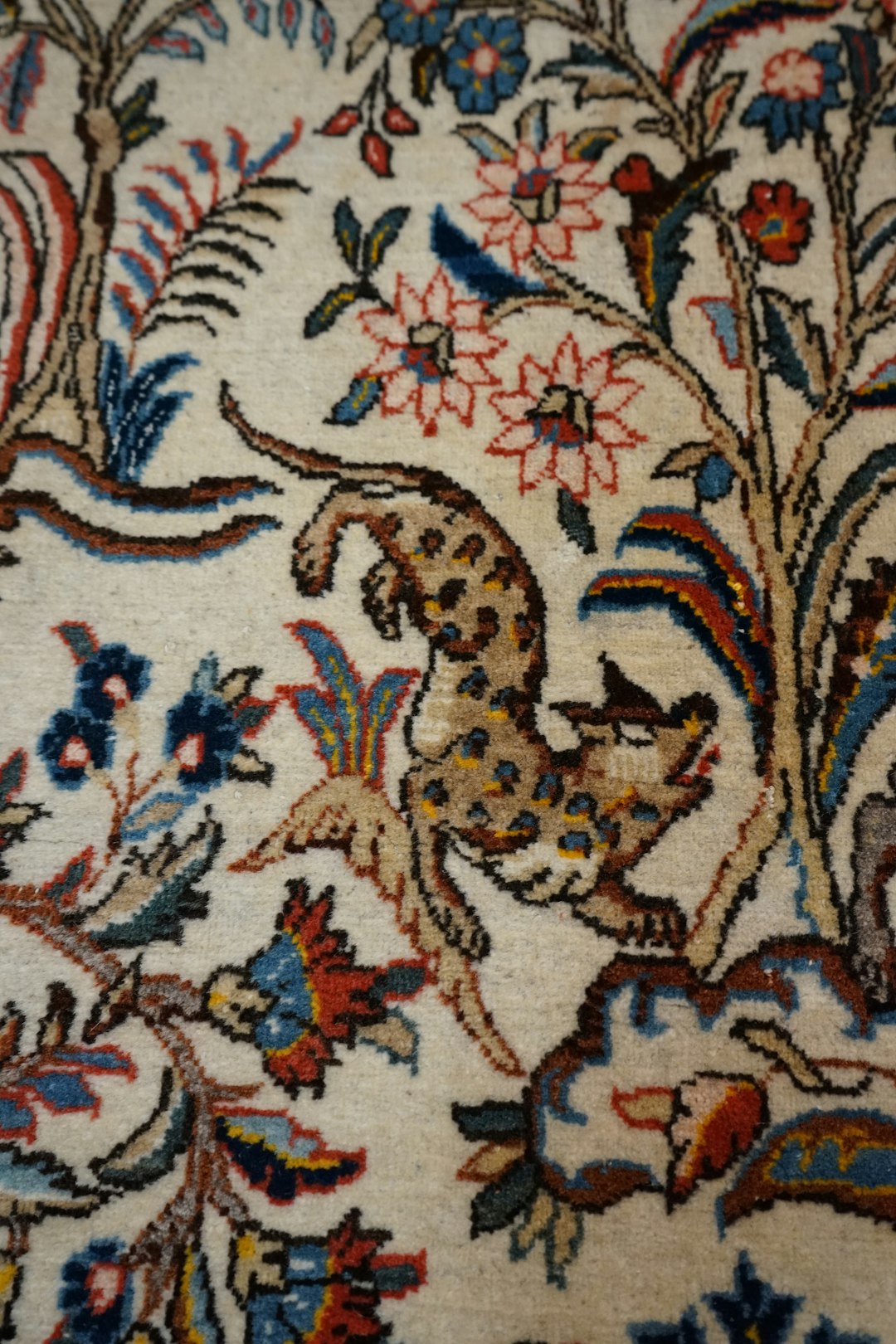
In medieval Europe, embroidery reached remarkable heights of complexity. Tapestries and ecclesiastical vestments were painstakingly stitched with silk, wool, and even gold thread. These pieces were not merely decorative; they told stories of faith, power, and daily life. Each motif carried meaning, whether it was a floral symbol of renewal or an animal representing strength.
Over time, regional styles emerged, such as English crewelwork, French whitework, and Eastern European folk embroidery. Each style reflected local materials, climate, and cultural values, making Western embroidery a diverse and richly layered tradition.
Techniques and Materials Through the Ages
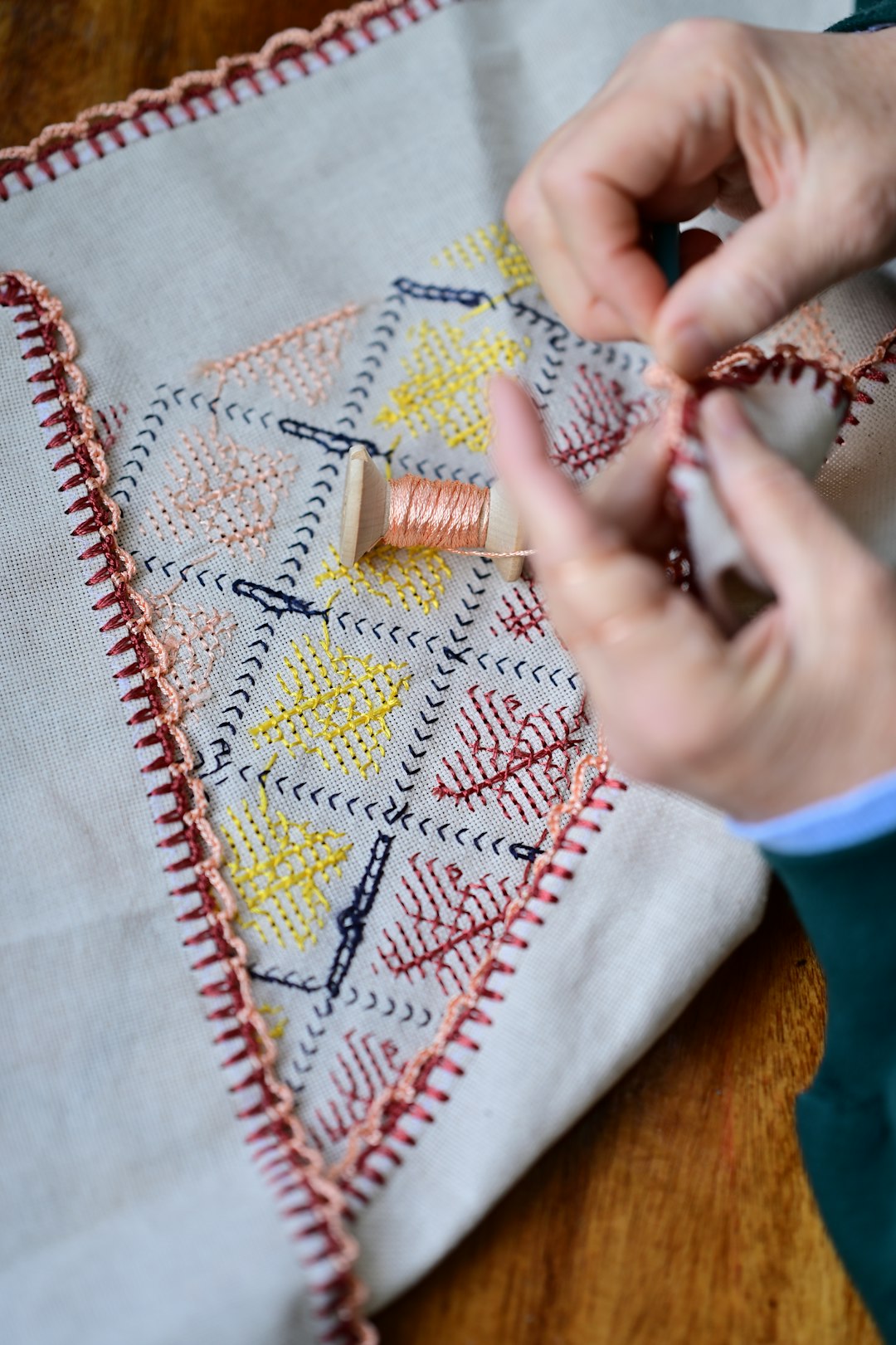
Traditional Western embroidery relies on a core set of stitches that have remained remarkably consistent across centuries. Stitches such as the chain stitch, satin stitch, cross stitch, and stem stitch formed the foundation of countless patterns. Mastery of these techniques required patience, dexterity, and a keen eye for detail.
Materials played an equally important role. Natural fibers like linen, wool, and silk were favored for their durability and beauty. Threads were often dyed with plant-based pigments, producing subtle, earthy tones. The tactile quality of these materials contributed to the overall character of embroidered works.
- Hand embroidery: Valued for its uniqueness and subtle irregularities.
- Symbolic motifs: Flowers, animals, and geometric patterns with cultural meaning.
- Functional beauty: Decoration applied to clothing, linens, and furnishings.
Despite the labor-intensive process, embroidery was deeply integrated into daily life, serving both practical and ceremonial purposes.
The Shift Toward Modernity
The Industrial Revolution marked a turning point for Western embroidery. Mechanized looms and embroidery machines dramatically increased production speed, making decorated textiles more accessible to the general public. While some feared this would diminish the art, it instead sparked new forms of creativity.
Machine embroidery introduced precision and consistency, allowing designers to experiment with intricate patterns on a larger scale. At the same time, the Arts and Crafts movement of the late 19th century pushed back against mass production, advocating for a return to handcraftsmanship and artistic integrity.
This tension between machine efficiency and hand-made authenticity continues to define modern Western embroidery. Today, both approaches coexist, each valued for different reasons.
Western Embroidery in Contemporary Fashion
In modern fashion, Western embroidery has experienced a resurgence. Designers draw inspiration from historical patterns but reinterpret them with bold colors, unexpected placements, and innovative materials. Embroidered jackets, denim, dresses, and accessories have become staples on runways and in street style alike.
Contemporary embroidery often challenges traditional norms. Instead of delicate florals, designers might choose abstract shapes or social commentary stitched directly onto garments. This transforms clothing into wearable art, allowing individuals to express identity and values.
Sustainability has also influenced this revival. Embroidery extends the life of garments by repairing, upcycling, or personalizing them. A simple stitched detail can turn an old piece into something unique, encouraging mindful consumption.
Home Décor and Artistic Expression
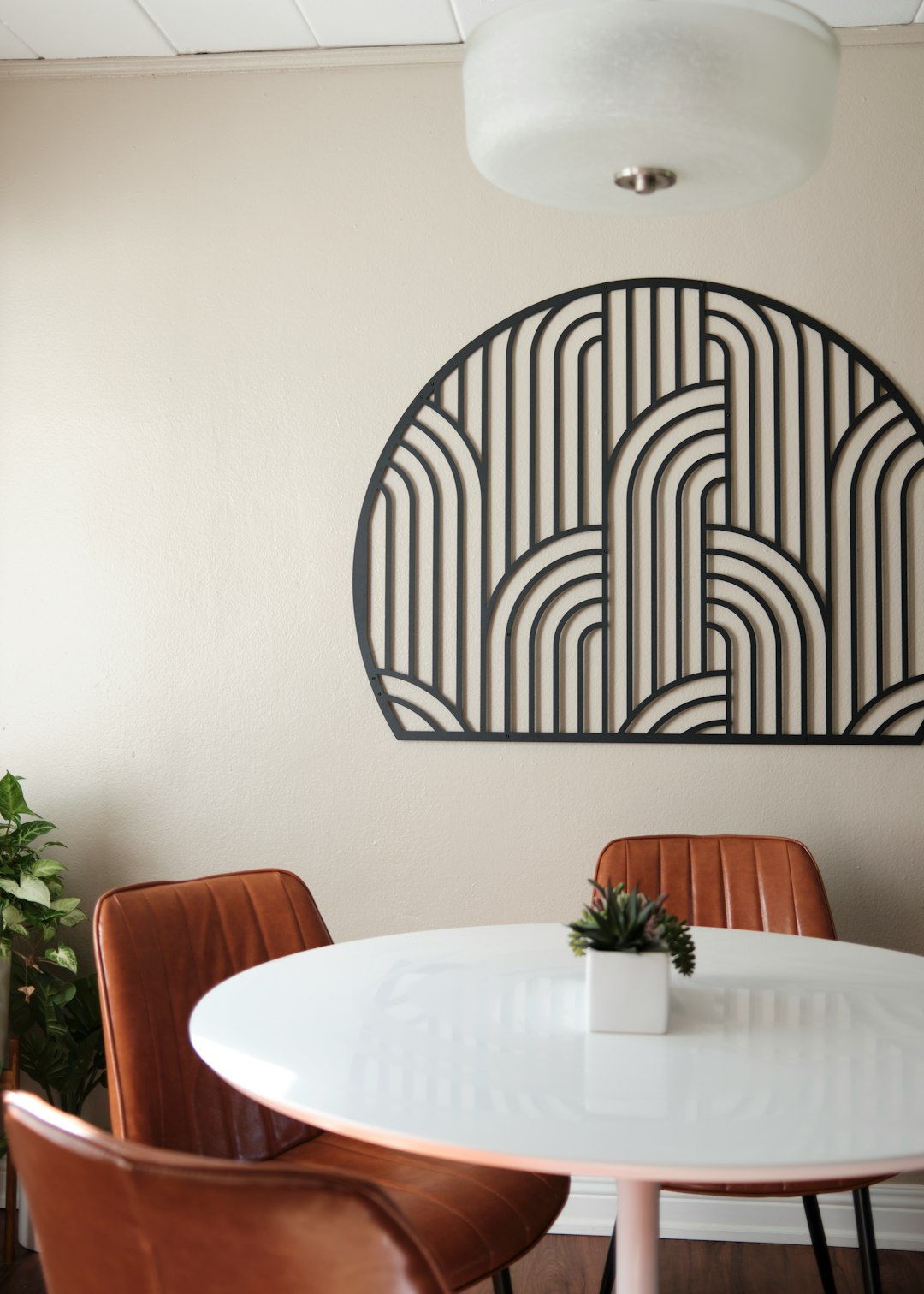
Beyond fashion, Western embroidery has found a prominent place in modern interiors. Wall hangings, throw pillows, table linens, and framed textile art showcase embroidery as a powerful decorative medium. Minimalist spaces often use a single embroidered piece as a focal point, blending tradition with contemporary design.
Artists have also embraced embroidery as a fine art form. Combining traditional stitches with unconventional materials such as metal threads, recycled fabrics, or mixed media backgrounds, they push the boundaries of what embroidery can be. This approach elevates the craft from decoration to conceptual art.
The Role of Technology and Digital Design
Technology has become a crucial ally in the evolution of Western embroidery. Digital design software allows artists to plan complex patterns with precision, while computerized embroidery machines can translate these designs into fabric efficiently. This has opened doors for small businesses and independent creators to produce professional-quality work.
Online platforms and social media have further democratized embroidery. Tutorials, pattern sharing, and global communities enable beginners and experts alike to learn, collaborate, and innovate. As a result, traditional techniques are preserved even as new styles emerge.
The fusion of old and new defines the current era of Western embroidery, proving that tradition and innovation are not opposing forces but complementary partners.
Cultural Preservation and Personal Meaning
At its core, embroidery remains a deeply personal and cultural practice. Many artisans continue to draw inspiration from their heritage, using stitches to honor family histories and regional identities. This act of preservation ensures that traditional knowledge survives in a rapidly changing world.
For modern practitioners, embroidery can also be meditative. The repetitive motion of stitching encourages mindfulness and patience, offering a counterbalance to the fast pace of digital life. This emotional connection adds another layer of value to embroidered works.
Conclusion: A Living Tradition
The art of Western embroidery is neither frozen in time nor entirely reinvented. It exists as a living tradition, shaped by those who practice it and the contexts in which it appears. By blending historical techniques with modern design, embroidery continues to tell stories that resonate across generations.
As long as there are hands to stitch and ideas to express, Western embroidery will remain a vibrant and evolving art form, where tradition gracefully meets modern style.
Frequently Asked Questions
-
What defines Western embroidery?
Western embroidery refers to stitching traditions developed primarily in Europe and related cultures, characterized by specific techniques, materials, and symbolic motifs. -
Is hand embroidery still relevant today?
Yes, hand embroidery is highly valued for its uniqueness, craftsmanship, and personal touch, especially in art, fashion, and sustainable practices. -
How is modern embroidery different from traditional styles?
Modern embroidery often incorporates contemporary themes, digital design tools, and unconventional materials while still using classic stitches. -
Can beginners learn Western embroidery easily?
Many basic stitches are accessible to beginners, and numerous online resources make learning convenient and engaging. -
Why has embroidery seen a resurgence in popularity?
The renewed interest is driven by sustainability, appreciation for handmade crafts, and the desire for personal expression in fashion and décor.