Spark Profiler Not Updating? Fix It Fast
When Apache Spark performance data suddenly stops updating in your profiling tools, it can stall critical analysis and delay production decisions. A non-updating Spark Profiler is more than an inconvenience—it can obscure bottlenecks, hide memory leaks, and undermine cluster optimization efforts. This guide explains why Spark Profiler may stop refreshing and how to resolve the issue quickly and systematically.
TLDR: If Spark Profiler is not updating, first verify the Spark UI and event logs are active, then check cluster connectivity and resource contention. Ensure the Spark History Server is running properly and confirm that event logging is enabled. Most update issues stem from configuration errors, stalled executors, or infrastructure monitoring delays. A structured troubleshooting process restores visibility fast and prevents recurring problems.
Why Spark Profiler Stops Updating
Table of Contents
Spark profiling tools depend on continuous communication between executors, the driver, and monitoring endpoints. If any of these fail or become overloaded, metrics may freeze or disappear entirely.
Common causes include:
- Disabled or misconfigured event logging
- Spark History Server issues
- Network interruptions between cluster nodes
- Overloaded or failed executors
- UI refresh or browser caching problems
- Insufficient driver memory
Understanding these factors allows you to narrow down the root cause quickly instead of cycling through random restarts.
Step 1: Verify Spark Event Logging Is Enabled
Many Spark profiling dashboards rely on event logs. If logging is disabled, updates stop immediately.
Check your Spark configuration file (usually spark-defaults.conf) and confirm:
- spark.eventLog.enabled=true
- spark.eventLog.dir points to a valid, accessible directory
If logging is disabled, enable it and restart the application or cluster. Without event logs, the History Server cannot display updates.
Step 2: Confirm the Spark History Server Is Running
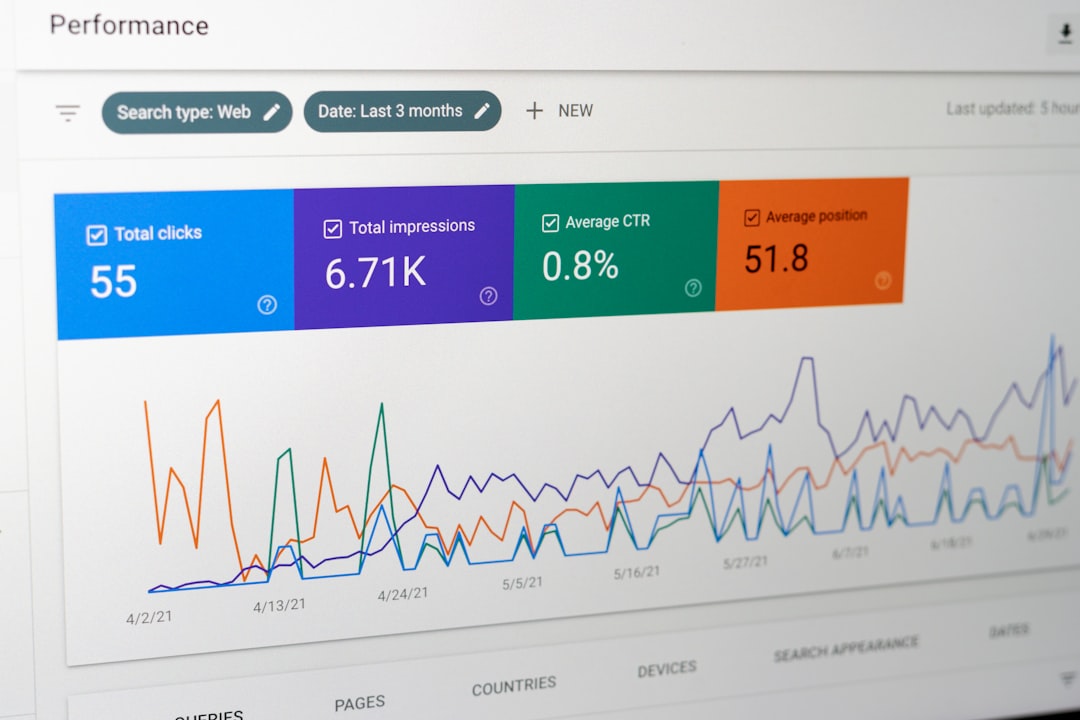
The Spark History Server reads event logs and displays job metrics. If it crashes or becomes disconnected, profiling data will appear frozen.
Perform the following checks:
- Ensure the History Server process is running
- Check server logs for I/O or memory errors
- Confirm the event log directory is readable
- Verify adequate disk space on the logging volume
If disk space is exhausted, Spark may silently fail to write updates, leading to incomplete metrics. Freeing space and restarting the History Server often resolves the issue immediately.
Step 3: Check Executor and Driver Health
Profiling depends on healthy communication between executors and the driver. If executors crash, stall, or time out, updates will pause.
Investigate:
- Executor logs for OutOfMemory errors
- Garbage collection pauses
- Network timeout errors
- Resource starvation from other workloads
If you notice repeated executor loss messages, increase cluster resources or adjust memory configuration:
- spark.executor.memory
- spark.driver.memory
- spark.executor.cores
Underprovisioned clusters frequently cause profiling interruptions.
Step 4: Inspect Network and Infrastructure Stability
In distributed environments, networking issues are a primary cause of stale profiler dashboards. Even brief interruptions can interrupt metric streaming.
Validate:
- Cluster node connectivity
- Load balancer stability
- Security group or firewall changes
- DNS resolution

If Spark runs in Kubernetes or YARN, verify that pods or containers are not restarting frequently. Infrastructure instability creates intermittent profiler refresh failures.
Step 5: Clear Browser Cache or Test Alternate Access
It may sound basic, but UI refresh glitches can present as profiling failures.
Try:
- Hard-refreshing the Spark UI
- Clearing browser cache
- Opening the UI in an incognito window
- Accessing from a different machine
If metrics update in a different browser, the issue is likely local and not cluster-related.
Step 6: Review Spark UI Retention Settings
Spark limits the amount of retained job and stage data. When retention thresholds are exceeded, older data may disappear.
Review settings such as:
- spark.ui.retainedJobs
- spark.ui.retainedStages
- spark.worker.ui.retainedExecutors
If retention is too low for your workload, dashboards may appear incomplete or truncated.
Step 7: Examine External Monitoring Tool Integrations
If using third-party profilers that collect Spark metrics via APIs or exporters, failures may originate outside Spark itself.
Below is a comparison of common Spark monitoring approaches and typical update failure points:
| Monitoring Method | Common Failure Cause | Update Delay Risk | Primary Fix |
|---|---|---|---|
| Spark UI | Driver memory exhaustion | Medium | Increase driver memory |
| Spark History Server | Event log directory inaccessible | High | Fix directory permissions |
| Metrics Exporter to Prometheus | Endpoint misconfiguration | Medium | Validate exporter config |
| Custom Logging Pipelines | Parsing or ingestion delay | High | Check log pipeline health |
If external exporters stop scraping metrics, the data freeze may appear to originate from Spark when in reality it is a monitoring pipeline disruption.
Step 8: Investigate Long Garbage Collection Pauses
Extended garbage collection cycles can cause Spark executors or drivers to appear frozen.
Enable GC logging and analyze:
- Frequent full GC events
- Memory allocation spikes
- Heap saturation trends
If GC pauses are excessive, consider:
- Tuning heap size
- Adjusting serialization strategy
- Using Kryo serialization
- Optimizing partition size
Cleaner memory management often restores real-time profiling updates.
Preventative Best Practices
Once the immediate problem is fixed, implement safeguards to avoid recurrence.
- Enable consistent log rotation to prevent disk saturation
- Set monitoring alerts for driver or executor crashes
- Audit Spark configurations quarterly
- Maintain resource buffers rather than running clusters at maximum capacity
- Document configuration baselines for easier troubleshooting
Preventative system hygiene dramatically reduces profiler downtime.
When to Restart vs. When to Reconfigure
Many engineers instinctively restart Spark services when dashboards freeze. While restarts can temporarily restore visibility, they do not address root causes.
Restart if:
- The History Server process is stuck
- Executors are unresponsive
- Memory leaks are confirmed but corrected
Reconfigure if:
- Event logging was disabled
- Retention limits are too low
- Memory allocations are insufficient
- Monitoring exporters are misconfigured
A disciplined diagnosis process prevents recurring failures.
Conclusion
A Spark Profiler that is not updating should be treated as a performance visibility incident, not a minor inconvenience. Profiling tools provide the insight needed to detect bottlenecks, optimize workloads, and maintain production-grade clusters. When updates stall, the most likely causes involve event logging configuration, History Server problems, executor instability, or infrastructure interruptions.
By following a systematic checklist—verifying logging, inspecting cluster health, reviewing retention settings, and validating monitoring integrations—you can restore profiling functionality quickly and reliably. Maintaining proactive monitoring safeguards ensures your Spark environment remains transparent, stable, and performance-optimized.
With the right approach, Spark Profiler update issues can be diagnosed and resolved fast—before they impact critical data operations.