Platforms Startups Explore Instead of Flagsmith for Remote Configuration
Startups move fast. Features ship daily. Tests run hourly. Users expect magic. To keep up, teams need smart tools for remote configuration. Flagsmith is popular. But it is not the only option. Many startups explore other platforms that better fit their goals, budgets, and tech stacks.
TLDR: Startups explore many alternatives to Flagsmith for remote configuration and feature flags. Tools like LaunchDarkly, ConfigCat, Split, GrowthBook, and Firebase Remote Config offer different strengths. Some focus on experimentation. Others shine in pricing or ease of use. The best choice depends on your team size, budget, and growth plans.
Before we dive in, let’s quickly explain remote configuration.
Remote configuration lets you change your app’s behavior without pushing new code. You can turn features on or off. You can test new ideas with small user groups. You can fix issues fast. All without waiting for app store approvals.
That is powerful.
Now let’s explore the platforms startups often choose instead of Flagsmith.
Why Startups Look Beyond Flagsmith
Table of Contents
Flagsmith is flexible and open source friendly. But startups have different needs.
- Some want simpler dashboards.
- Some need advanced experimentation tools.
- Some care most about price.
- Others need deep enterprise integrations.
- Some want tight integration with existing cloud providers.
No single tool fits everyone. That is why exploring options makes sense.
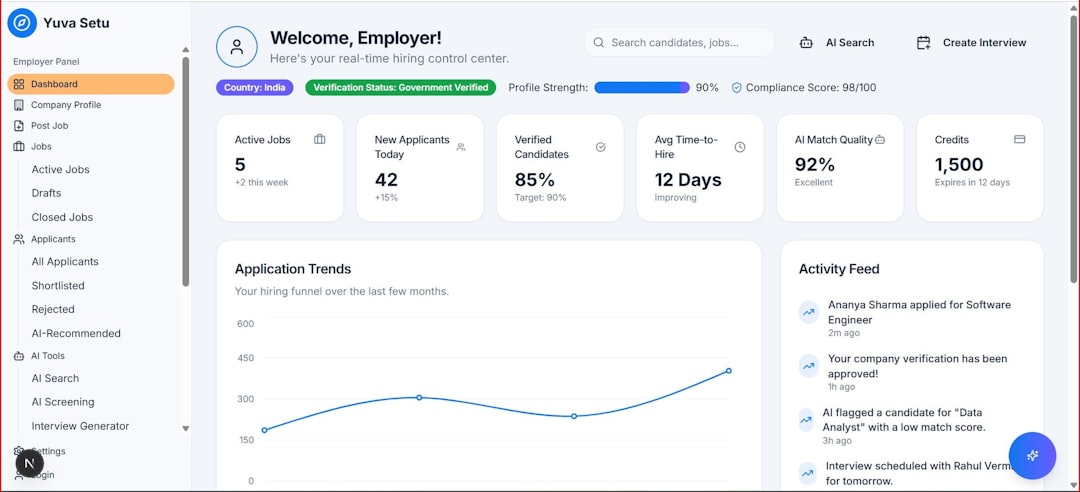
1. LaunchDarkly
LaunchDarkly is one of the biggest names in feature management.
It is powerful. Very powerful.
Startups exploring beyond Flagsmith often land here when they want:
- Advanced targeting rules
- Real time updates
- Strong experimentation features
- Enterprise level security
LaunchDarkly works well for growing teams. It scales easily. It supports many languages and frameworks.
But there is a catch. It can get expensive. Early stage startups may find pricing steep as usage grows.
Best for: Fast scaling startups preparing for enterprise customers.
2. ConfigCat
ConfigCat is known for simplicity and predictable pricing.
It feels lightweight. Clean UI. Easy setup.
Startups like it because:
- Flat pricing tiers
- No surprise bills
- Simple integration
- Strong documentation
You still get core feature flag functionality. You can target users. You can roll out gradually. You can kill features quickly.
It may not have as many experimentation features as LaunchDarkly. But for many early startups, that is okay.
Best for: Budget conscious teams that want reliability without complexity.
3. Split
Split combines feature flags with product experimentation.
It is built for data driven teams.
With Split, you get:
- Feature flag management
- Built in A/B testing
- Detailed performance metrics
- Impact analysis on business goals
This helps product teams answer one key question:
“Did this feature improve anything?”
Startups that care deeply about measurable impact often choose Split over simpler tools.
However, it may feel heavy for very small teams.
Best for: Product led startups focused on experimentation and analytics.

4. GrowthBook
GrowthBook is popular in developer communities.
It is open source at its core. That attracts technical founders.
Why do startups explore GrowthBook?
- Open source flexibility
- Self hosted option
- Strong experimentation tools
- Lower long term cost
Teams that want more control over their data often lean toward GrowthBook. Especially startups in regulated industries.
It requires more setup compared to plug and play tools. But developers love the control.
Best for: Technical teams that want customization and ownership.
5. Firebase Remote Config
Firebase Remote Config is part of Google’s Firebase suite.
If your app already uses Firebase, this option feels natural.
Benefits include:
- Easy mobile integration
- Tight connection with Firebase Analytics
- Generous free tier
- Google infrastructure reliability
It works especially well for mobile first startups.
But it is less focused on complex multi environment workflows compared to specialized feature flag tools.
Best for: Mobile startups already using Firebase.
6. Unleash
Unleash is another open source feature management platform.
It focuses on flexibility and control.
Startups explore Unleash because:
- It can be self hosted
- It supports many SDKs
- It follows open standards
- It avoids vendor lock in
Unleash is great for companies building complex systems with microservices.
However, you may need internal DevOps support to manage it well.
Best for: Infrastructure heavy startups with strong engineering teams.

Quick Comparison Chart
| Platform | Ease of Use | Experimentation | Pricing Flexibility | Best For |
|---|---|---|---|---|
| LaunchDarkly | Medium | Advanced | Can be expensive | Scaling startups |
| ConfigCat | High | Basic to Medium | Predictable tiers | Budget teams |
| Split | Medium | Very strong | Mid to high range | Data driven products |
| GrowthBook | Medium | Strong | Cost effective long term | Technical founders |
| Firebase Remote Config | High | Basic | Generous free tier | Mobile apps |
| Unleash | Medium | Depends on setup | Flexible | DevOps focused teams |
How to Choose the Right One
Choosing a remote configuration tool is not just about features. It is about fit.
Ask yourself these simple questions:
- How big is our engineering team?
- Do we need built in experimentation?
- Are we mobile first or web focused?
- How important is open source?
- What is our budget next year?
If you are three founders in a coworking space, simplicity might win.
If you are scaling toward enterprise clients, compliance and audit logs matter more.
If you run experiments weekly, built in analytics is critical.
Think long term. Migration between platforms later can be painful.
Common Startup Mistakes
Many startups rush this decision. That leads to problems.
Here are common mistakes:
- Choosing the cheapest option without thinking about scale
- Ignoring security requirements
- Not checking SDK support for all platforms
- Forgetting about team workflow and permissions
- Overbuying enterprise features too early
Remote configuration touches production systems. It is not just a side tool. Treat it seriously.
The Bigger Trend
There is a bigger shift happening.
Feature flags are no longer just developer tools. They are product tools.
Marketing teams use them for targeted campaigns. Product managers use them for experiments. Support teams use them to disable broken features instantly.
This shift is why startups explore different platforms. They want tools that match how they build and grow.
Some prioritize data. Some prioritize speed. Others prioritize ownership.
And that is okay.
Final Thoughts
Flagsmith is a solid choice. But it is not the only path.
LaunchDarkly offers power. ConfigCat brings simplicity. Split focuses on data. GrowthBook and Unleash offer control. Firebase Remote Config shines for mobile.
The best platform is the one that fits your startup’s stage, culture, and roadmap.
Keep it simple. Stay flexible. Choose tools that help you ship faster and learn quicker.
Because in startups, speed matters. But smart speed matters more.