How to Schedule an Inspection After Pulling a Permit
When you’re undertaking a construction, renovation, or remodeling project that requires a permit, it’s not enough to simply secure the permit and start your work. You also need to undergo one or more formal inspections to ensure that your project meets local building codes and safety standards. These inspections are critical checkpoints that can prevent costly mistakes and ensure the legality, safety, and value of your property. Knowing how to schedule an inspection after pulling your permit is an essential step in this process and shouldn’t be overlooked.
TL;DR
Table of Contents
Once your permit is approved and issued, scheduling an inspection depends largely on your local jurisdiction’s process, which may include online portals, phone calls, or email requests. Timely scheduling in coordination with project milestones is essential to avoid construction delays. Always have your documentation and project site ready before the inspector arrives. Finally, be prepared for potential re-inspections if issues are found or if work is incomplete.
1. Understand the Purpose of Inspections
Inspections serve as official confirmations that your project complies with all applicable codes and zoning laws. They’re not just formalities—they protect homeowners, occupants, and future buyers from unsafe or illegal construction. Missing an inspection step or scheduling it improperly could result in fines, stop-work orders, or even needing to redo completed work.
Different stages of your project may need different inspections, such as:
- Foundation Inspection – Before the concrete is poured
- Framing Inspection – After the framing but before drywall or insulation is placed
- Electrical and Plumbing Inspections – After rough installation but prior to covering up walls
- Final Inspection – When the project is completed
2. Confirm Your Permit Has Been Issued
You cannot schedule an inspection until your building permit has been officially approved and issued by your local permitting office. Once you’ve received your permit (usually either as a PDF document or physical copy), verify that the permit number and address details are accurate. You will need these details when booking your inspection.
3. Identify the Correct Authority Having Jurisdiction (AHJ)
Building permits and inspections are typically managed by your:
- City’s Department of Building and Safety
- County Permit Office
Find out who the Authority Having Jurisdiction (AHJ) is for your location. Their website usually has a section dedicated to permit and inspection scheduling guidelines. In some areas, inspections are handled by third-party contractors approved by the city or county.
4. Determine the Method for Scheduling an Inspection
Different jurisdictions offer different ways to schedule inspections. Most common methods include:
- Online Portals: Many cities and counties offer an inspection scheduling system online. You’ll need to create a login and use your permit number.
- Phone System: Some jurisdictions use an IVR (Interactive Voice Response) system that requires a permit number and inspection code.
- Email Requests: Smaller municipalities may accept scheduling through email. Be sure to include complete details such as permit number, address, requested date, type of inspection, and contact information.
- In-Person Visits: Rare, but still available in some jurisdictions. This method can be time-consuming but may allow for faster scheduling of urgent inspections.

Important: Some cities require a 24- to 72-hour notice before an inspector can be scheduled, and certain days may be unavailable due to volume and holidays. Be sure you understand the cutoff time for scheduling (e.g., before 3 PM to get a next-day inspection).
5. Prepare for the Inspection
After scheduling, preparation is key. If the site isn’t ready or the required documents aren’t available, the inspector may cancel the inspection and require a re-booking, potentially delaying your project. Preparation involves:
- Ensuring the relevant work is complete and accessible
- Having all required documents on-site – This usually includes the approved permit, construction drawings, and any engineering certifications
- Ensuring a qualified person is available to meet the inspector, if needed
For certain technical inspections, such as electrical or mechanical components, some jurisdictions require a licensed professional to be present during the inspection. Always check the specific rules for your inspection type.
6. Site Access and Safety
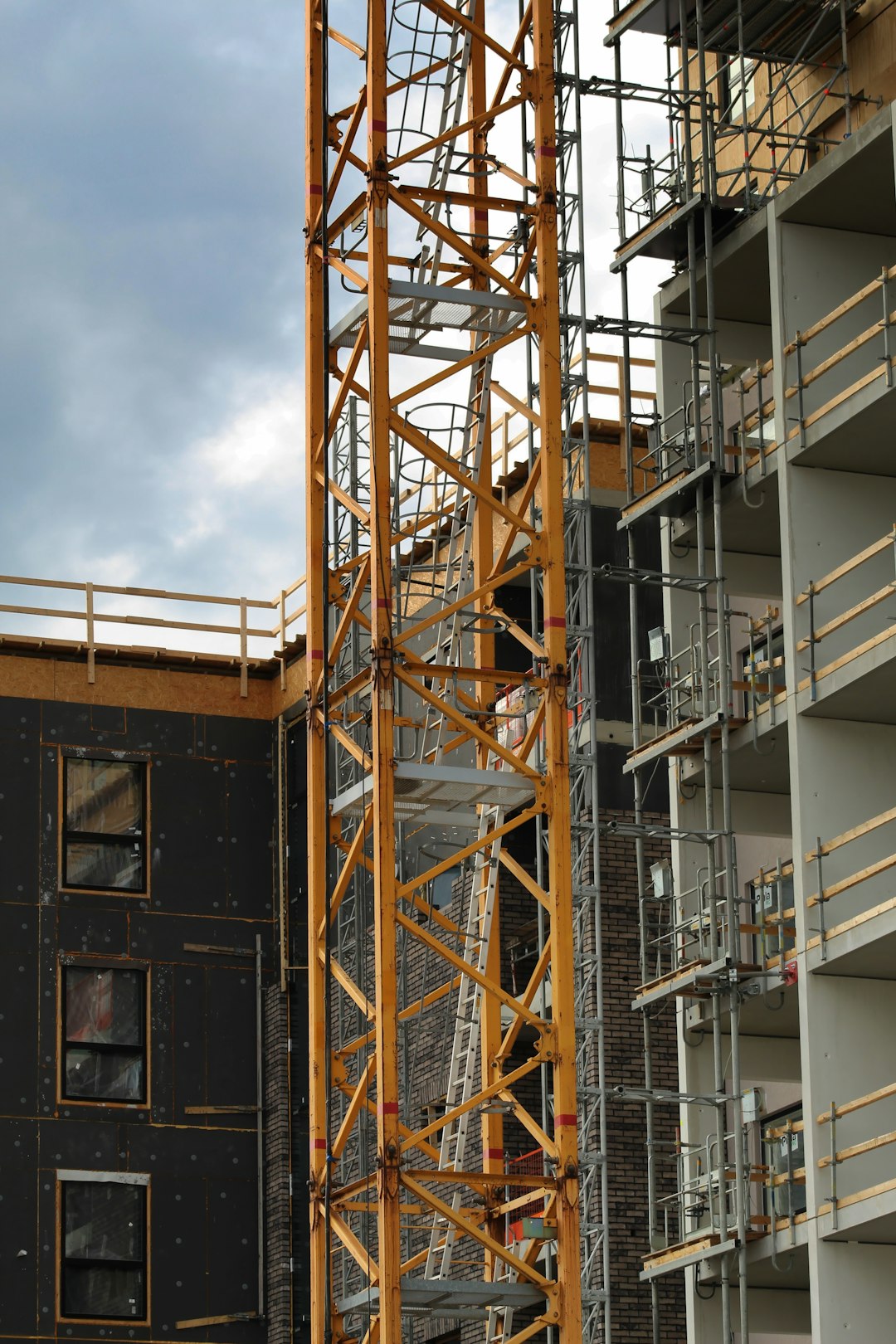
The inspector must have clear and safe access to the inspection site. This means ladders should be secured, crawl spaces cleared, and all safety protocols met. If the inspector cannot access crucial areas like utility rooms, attics, or basements, the inspection may be failed simply for inaccessibility.
7. Be Present or Delegate
While many jurisdictions allow inspections to occur without the contractor or homeowner present, being available to answer any questions or provide documentation can be helpful. It may also allow for minor corrections or clarifications on the spot, possibly avoiding re-inspections.
8. Receiving the Results
After the inspection, you’ll typically receive a status update:
- Pass: You may continue to the next phase of construction
- Conditional Pass: Small issues need to be addressed but work may proceed
- Fail: You must correct issues and schedule a re-inspection
Results are often logged the same day using the jurisdiction’s portal or emailed to the address associated with the permit. Always keep digital or printed copies of these results for your records.
9. Schedule Re-Inspections if Necessary
If the inspection did not pass, don’t panic—many construction projects encounter minor issues. Read the inspector’s comments thoroughly, make the corrections, and then repeat the scheduling process. Keep in mind that some jurisdictions may charge additional fees for re-inspections, especially after more than one failure.
Common reasons for inspection failure include:
- Incomplete work
- Incorrect installations
- Deviations from approved plans
- Electrical or plumbing code violations
- Inaccessible inspection areas
Address these issues promptly, and consider hiring a professional contractor or licensed tradesperson if the problems are beyond DIY skill levels.
10. Final Inspection and Certificate of Occupancy
The final inspection is the last step in most permitting processes, especially for new builds or major renovations. Once this is successfully passed, a Certificate of Occupancy (CO) or Certificate of Completion will be issued. This document is often needed for insurance, resale, or refinancing purposes. Without it, your building may be considered illegally occupied.
Conclusion
Scheduling an inspection after pulling a permit is far more than just a routine checkbox—it is a critical step that keeps your project on track, legal, and safe. By following local jurisdiction requirements, preparing your site, and staying proactive in your communication, you can ensure a smooth inspection process. Ignoring or mishandling inspections can delay your project and introduce legal and financial consequences. Treat every inspection with the professionalism and attention to detail it deserves.