
Dado À Art Techniques & Creative Styles: Comprehensive Guide for Artists and Designers
In the dynamic worlds of art and design, mastering a variety of styles and techniques is vital for creative professionals seeking to express their vision and elevate their craft. One emerging and increasingly recognized approach is that of Dado À — a fusion of traditional and avant-garde principles, bridging emotional storytelling with conceptual execution. This comprehensive guide explores the foundational and experimental elements of Dado À techniques, offering insights for both practicing artists and design students alike.
TL;DR (Too Long; Didn’t Read)
Table of Contents
Dado À art techniques combine classical visual storytelling with modern conceptual styles, offering a balanced blend of structured and experimental methods. Artists use controlled chaos, layered symbolism, and cross-medium integration to communicate deeply personal or societal themes. Learning this style requires an appreciation of both traditional fine arts and contemporary practices. This guide explains core principles, stylistic traits, and methods to integrate Dado À into your creative workflow.
What is Dado À?
Dado À is not a widely commercialized term but denotes a growing niche trend within modern visual and conceptual art realms. It emphasizes balance — symmetry and spontaneity, minimalism and complexity, the organic and the intentional. It often includes themes of memory, distortion, cultural palimpsests, and internal psychology articulated through symbolic form and layered imagery.
The name “Dado À” evokes a blend of Italian and French linguistic influence — a nod to its roots in European neoclassical aesthetics and modern conceptualist approaches. Many practitioners view it less as a “style” and more as a philosophy of creative duality.
Core Techniques of Dado À
To grasp Dado À art, it is essential to understand the fundamental techniques that define its character:
- Layered Composition: Visual depth is achieved by applying translucent or opaque layers to create emotional resonance and thematic interplay.
- Disrupted Geometry: Traditional symmetry is purposefully distorted to reveal tension and hidden narratives.
- Textural Complexity: Surface texture, achieved via blended mediums (gesso, charcoal, digital overlays), conveys energy and movement.
- Intentional Contrast: The juxtaposition of vivid and muted tones, smooth and grainy surfaces, and structured versus chaotic elements promotes visual balance.
- Symbolic Encoding: Frequent use of symbolic imagery (such as keys, birds, clocks) invites viewers to unravel messages themselves.
Creative Styles and Variations within the Dado À Spectrum
Dado À, while grounded in certain visual principles, is notably flexible. Several derivative styles or explorations fall under its umbrella:
Dado Minimal
This substyle practices less is more— focusing on minimal visual elements that carry powerful symbolic or emotional weight. Artists emphasize negative space, line rhythm, and material sparsity.
Dado Collage
Combines analog and digital collage techniques to create layered storytelling. Sources may include vintage imagery, raw textures, scanned materials, and pictographic signs. Interpretative openness is central.
Dado Constructivism
Integrates architectural forms and interlocking structures symbolizing societal frameworks or psychological states. It shares sonic resonance with digital design aesthetics yet maintains tactile roots.
Color Theory in Dado À
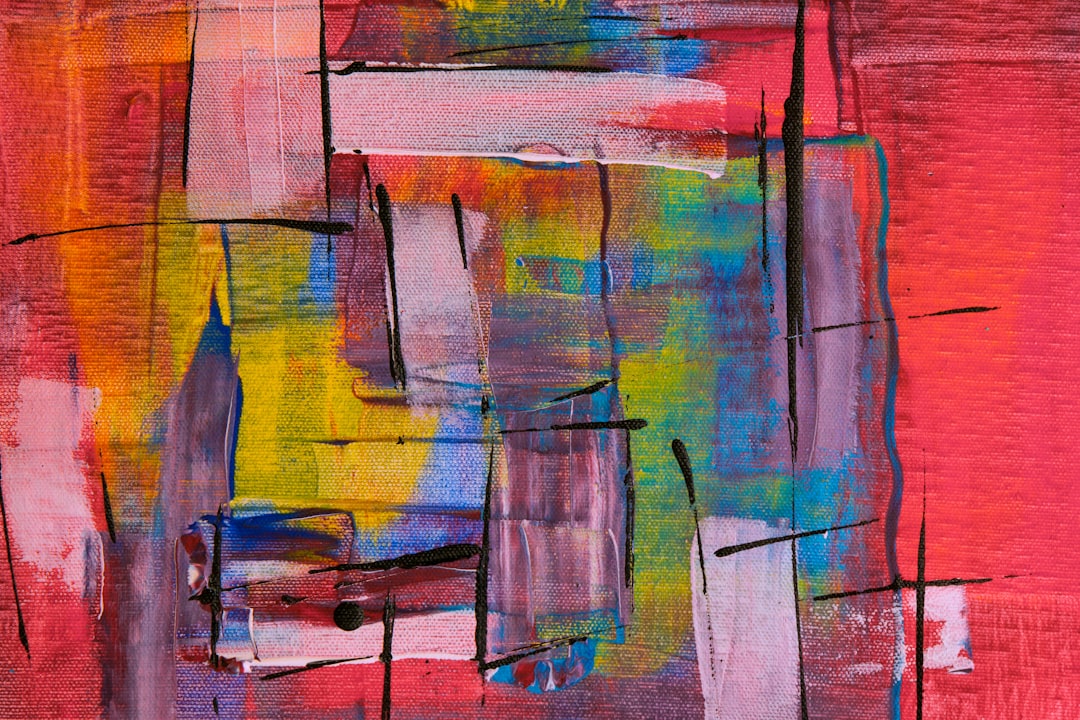
Color choice in Dado À techniques is rarely accidental or decorative. It operates on two levels:
- Psychological Impact: Colors such as indigo, sepia, ivory, and moss green often tap into subtle emotional states or historical frameworks.
- Conceptual Anchoring: Repeated use of a specific palette in a work becomes a cognitive anchor for the viewer, forming visual metaphors (e.g., crimson to indicate personal trauma or blue-gray for memory drift).
Strategically ‘unpolished’ brush marks or digital interruptions in these colors further push the narrative into the subconscious realm of the observer.
Toolsets and Mediums
Dado À artists often work across a range of traditional and digital tools. The hybrid nature of the style encourages combinations, such as:
- Traditional Paint Mediums: Oil, acrylic, gouache with sand, ash, or fabric inclusions for texture.
- Digital Layers: Photoshop or Procreate used to layer real scanned textures over photographed compositions.
- Sculptural Integration: 2.5D art panels incorporating wood, resin, or wired forms.
- Typography and Written Word: Serif languages, typewriter fonts, or handwritten annotations embedded into the work for literary echo.
It is not uncommon for Dado À projects to occur in ‘phases,’ with each medium contributing to the evolution of the next – from sketch to painting to digital rendering to tactile sculptural output.
Developing Your Dado À Practice
If you are interested in integrating Dado À concepts into your artistic or design routine, follow these pedagogical steps:
1. Start from Emotion, Not Form
Dado À thrives on authenticity. Begin with journaling or conceptual mind-mapping to identify your thematic concern. Let your visuals serve the story rather than designing for aesthetics alone.
2. Practice Layer Work
Use tracing paper, digital layers, or transparent paints to build up compositions. Train your eye to see the aesthetic in imperfection and overlap. Each layer should obscure yet reveal something new.
3. Apply Restrictive Parameters
Limiting your tools or your palette can lead to deeper creativity. For instance, try creating a full piece using only dry materials or within the grayscale spectrum.
4. Study Related Movements
Understanding Dadaism, Abstract Expressionism, and Brutalist forms will help contextualize Dado À within a bigger historical and cultural frame. Apply comparative analysis to clarify your approach.
Image not found in postmeta
Common Misinterpretations
Due to its conceptual depth and layered approach, some myths have formed around Dado À which need clarification:
- “It’s just chaos.” In reality, while compositions may appear unstructured, they often follow deeply conscious design frameworks.
- “It’s exclusively digital.” Actually, Dado À originated from physical form and continues to rely on hybrid formats including painting, sculpture, and craft.
- “It must tell an explicit story.” Dado À narratives are mostly suggestive and emotional; not all works have a ‘linear’ plot.
Applications in Design Professions
For designers, embracing Dado À techniques can add depth to branding, publishing layouts, and even interactive digital experiences. When used sparingly, its expressive individuality can humanize otherwise utilitarian products such as:
- Editorial Art: Magazine spreads featuring symbolic textures and non-linear layouts.
- Brand Identity: Logos or visual systems featuring muted palettes and humanistic representations.
- Product Packaging: Layered storytelling printed directly onto surfaces—especially in artisan or luxury markets.
This approach appeals especially to clients wanting emotional resonance, artisan sophistication, or unique personality in their visuals.
Conclusion: The Evolving Beauty of Controlled Disruption
Dado À art and design techniques offer artists and designers an avenue for deep, emotive communication through curated imperfections, layered symbolism, and hybrid media. While it may require more introspection and technical fluidity than conventional styles, it opens the door for profound expressions of self and society. As creative fields continue to deconstruct modern boundaries, styles like Dado À will likely play a formative role in defining the aesthetics of meaningful disruption.
Whether you’re a fine artist exploring emotional depth or a designer crafting unconventional narratives, embracing the spirit of Dado À can enrich your creative vocabulary and transform your workflow from surface-level to soul-level execution.