Artificial intelligence meme Trends
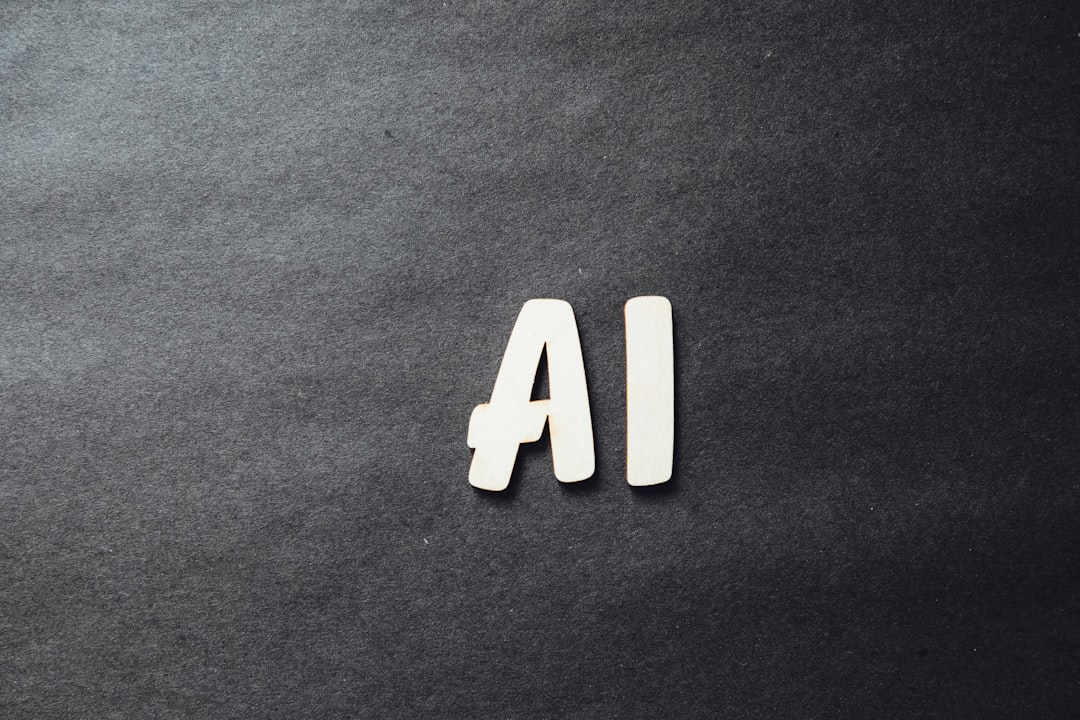
In recent years, artificial intelligence (AI) has not only transformed industries and revolutionized productivity, but also carved a surprisingly large space in popular culture — especially in the realm of memes. Once a topic reserved for computer scientists and futuristic thinkers, AI is now a source of daily comedic content, thanks to the internet’s endless creativity. These trends are not just about laughs though; they reveal how society perceives and interacts with emerging technologies.
TL;DR:
Table of Contents
Artificial intelligence meme trends are booming, mixing humor with deeper societal commentary on how AI is shaping our lives. From poking fun at robotic logic to viral images of AI inventing surreal things, these memes reflect public fascination, concerns, and skepticism about the future. As AI grows more accessible and visible, meme creators play a unique role in interpreting this complex tech through humor. Whether it’s lighthearted jokes or sharp satire, AI memes help us understand how culture digests innovation.
The Rise of AI Memes
As AI tools like ChatGPT, Midjourney, and DALL·E become mainstream, social media has exploded with memes that both showcase and ridicule these technologies. What started as niche internet humor among tech enthusiasts has evolved into viral content that engages a broad audience. The themes range from fear and confusion to awe and absurdity, mirroring society’s mixture of excitement and skepticism toward AI.
Early AI memes largely revolved around the fear of robots taking over, often parodying Terminator imagery or referencing superintelligent AI turning against humanity. Today, memes are more nuanced and abundant. New meme formats have emerged that reflect specific AI experiences, from text generators producing odd or hilarious responses to AI image generators creating bizarre or surreal art.
Popular Memetic Themes Around AI
AI memes have developed recognizable patterns and tropes. Some of the most prevalent include:
- Dystopian vs. Utopian Futures: These often contrast the hopes of AI solving major problems with fears of it automating away jobs or misinterpreting human commands in terrifying ways.
- AI Gone Wrong: A meme subgenre featuring outputs from AI models that are hilariously inaccurate or unsettling. This could be an image of a cat with too many limbs or a recipe generated by a chatbot that includes non-edible items.
- ChatGPT Humor: Memes that play on the polite, often overly formal tone of ChatGPT or the perfectly logical logic that fails at common sense tasks.
- Midjourney Madness: Art made by AI tools that mixes styles or elements in absurd ways — like a Renaissance painting of Yoda sipping Starbucks — often becomes meme-worthy for its surreal aesthetic.
- Skynet’s Little Brother: These memes joke that AI today is like Skynet’s goofy, less competent sibling, showcasing the gap between fiction and reality.
Why AI Memes Resonate
Part of what makes AI memes so appealing is that they offer humor wrapped around real psychological and cultural reflections. People aren’t just laughing at the absurdities— they’re processing their own thoughts and anxieties about an increasingly automated world. Memes serve as a kind of folk commentary on technological change — a quick, digestible way of expressing complex emotions like discomfort, confusion, and wonder.
AI memes also serve educational and democratizing functions. They make AI more accessible by making it funny, stripping away the jargon and inviting non-technical people into the conversation. Humor lowers the barrier to entry, making cutting-edge tech easier to understand and discuss simply by overstating or exaggerating its effects.
Influence of AI Tools on Meme Creation
In a twist of irony, AI tools themselves are now being used to create memes — not just as subjects but as helpers in making them. Users are leveraging DALL·E, Midjourney, and other generative AI technologies to create custom meme images. Text-based models like ChatGPT are also used to brainstorm joke formats or parody dialogues that later become memes.
This has led to a form of meta-humor: memes about AI that are also created with the help of AI. For example, someone asks an AI model to generate an image from a nonsensical prompt, gets an amusing result, and then turns that into a meme mocking the AI process. Other times, AI-generated punchlines are so accidentally clever or uncanny that they go viral on their own.
Popular AI Meme Formats in 2024
As AI humor has matured, certain formats have risen to prominence — appearing across Twitter, Reddit, Instagram, and TikTok. Some trending formats in 2024 include:
- “Make X using AI” experiments: Users prompt AI to create things like “a movie trailer in the style of Wes Anderson featuring Shrek” or “recipes by Shakespeare,” leading to hilarious outputs.
- AI vs. Human Comparison: Side-by-side images or texts comparing an AI-generated attempt at something with a human response, often highlighting absurdities.
- “ChatGPT Therapy”: Joke conversations where ChatGPT gives oddly robotic life advice or completely misses the emotional subtext.
- Text-to-Image Chaos: Prompting AI with intentionally confusing or contradictory instructions and posting the chaotic results.
These formats not only entertain but also spotlight the limitations and quirks of the technology. The meme world often acts as a communal testing ground for AI’s evolving capabilities and its misunderstandings of human culture.
Social Commentary Hidden in the LOLs
Beyond the humor, artificial intelligence memes often conceal sharp commentary. For instance, jokes about AI automating jobs hint at real fears about economic displacement. Memes that mock biased AI outputs poke at larger concerns around algorithmic fairness and diversity. Even the delight in AI absurdity can be read as a reminder that human creativity and logic are still uniquely unpredictable — something machines have yet to master.
In this way, AI memes are doing narrative work. They’re not just funny or viral; they’re shaping the public discourse about AI. Especially for younger audiences, memes may be the first or most frequent exposure to AI-related themes, subtly influencing how these technologies are viewed and accepted.
The Future of AI Meme Culture
As generative AI continues to become sharper, faster, and more deeply integrated into daily life, its role in meme culture is likely to grow as well. We can expect even more sophisticated mashups involving deepfake videos, synthetic voiceovers, and autonomous meme bots. Some speculate that AI could eventually produce memes that go viral without human intervention at all — a truly autonomous form of digital humor.
But perhaps even more interesting is how these memes might shape innovation itself. If developers pay attention, meme culture can act as informal user feedback, highlighting what people find unsettling, amusing, or nonsensical about AI systems. The more memes highlight failures, the more clues developers get about where AI’s blind spots lie.
Image not found in postmeta
Conclusion
Artificial intelligence meme trends are more than entertainment; they’re cultural artifacts at the intersection of humor, technology, and social perception. As AI continues to evolve, so too will the jokes, fears, and creativity surrounding it. Whether you’re laughing at a poorly generated image of a spaghetti cat or contemplating a meme that critiques data bias with a punchline, rest assured: the internet will keep using memes to make sense of a world increasingly shaped by intelligent machines.