Plant Care Apps That Help You Identify And Treat Issues Quickly
Keeping houseplants healthy can be surprisingly challenging, especially for beginners who are still learning to recognize early warning signs of distress. From mysterious yellowing leaves to stubborn pest infestations, plant problems can escalate quickly if not addressed in time. Fortunately, modern plant care apps are making it easier than ever to identify and treat issues before they become fatal. By combining image recognition, AI diagnostics, and personalized care reminders, these tools are transforming the way plant lovers nurture their indoor and outdoor greenery.
TLDR: Plant care apps use AI-powered image recognition and smart diagnostics to identify plant issues quickly. They offer watering reminders, pest detection, and tailored treatment advice to prevent minor problems from becoming major ones. Many apps also include plant libraries and personalized care schedules. Together, these tools help both beginners and experienced gardeners maintain healthier plants with less guesswork.
Why Quick Plant Diagnosis Matters
Table of Contents
Plants rarely recover without timely intervention. A small patch of discoloration could indicate nutrient deficiency, overwatering, fungal infection, or pest activity. Without proper identification, well-meaning plant owners may apply the wrong solution, worsening the condition. Fast and accurate diagnosis reduces stress for both plants and gardeners.
Digital plant care apps use smartphone cameras and artificial intelligence to analyze leaf color, shape, spotting patterns, and growth abnormalities. Instead of scrolling endlessly through online forums, users can receive instant suggestions and step-by-step treatment plans.

Key Features of Effective Plant Care Apps
Not all plant care apps are created equal. The most effective ones tend to include several essential features:
- AI Plant Identification: Snap a photo and receive species information instantly.
- Disease and Pest Detection: Image-based diagnosis of common plant problems.
- Personalized Care Schedules: Watering, fertilizing, and pruning reminders.
- Treatment Recommendations: Step-by-step guidance using accessible materials.
- Light and Environment Analysis: Suggestions based on sunlight exposure and room conditions.
- Community Support: Access to fellow plant enthusiasts and expert advice.
These integrated tools eliminate guesswork and help users act quickly when signs of stress appear.
Top Plant Care Apps That Identify and Treat Issues Quickly
Below are some of the most popular and effective plant care apps currently available. Each excels in helping users detect problems early and implement solutions efficiently.
1. PictureThis
PictureThis is widely known for its powerful AI identification engine. Users can upload a photo of their plant, and the app rapidly identifies the species along with potential diseases or pest problems.
- Detailed disease diagnosis
- Clear treatment plans
- Watering and care reminders
- Large plant database
Its standout feature is the speed and clarity of its diagnostic feedback, making it ideal for urgent plant concerns.
2. Planta
Planta focuses heavily on customized care schedules. After identifying the plant, the app creates a tailored plan based on light levels, pot size, and climate.
- Smart watering schedules
- Light meter functionality
- Health monitoring guidance
- Fertilizing reminders
Though its disease identification features are slightly less robust than others, its proactive care model helps prevent many issues before they begin.
3. PlantSnap
PlantSnap offers access to a massive global plant database. It is particularly useful for identifying outdoor plants and garden species.
- Extensive plant identification library
- Community sharing features
- Basic health information
While it excels in identification, it offers more general guidance rather than detailed treatment steps.
4. LeafSnap
LeafSnap provides reliable image recognition along with plant care instructions. It works well for users who want both identification and essential care advice in a single interface.
- Accurate plant recognition
- Basic disease detection
- Care tips for various species
5. Greg
Greg takes a more personalized and user-friendly approach. It not only identifies plants but adapts care reminders based on location, season, and environmental changes.
- Adaptive watering reminders
- Weather integration
- User-friendly interface
- Beginner-focused advice
Comparison Chart of Popular Plant Care Apps
| App | AI Identification | Disease Detection | Care Reminders | Best For |
|---|---|---|---|---|
| PictureThis | Excellent | Advanced | Yes | Fast diagnosis and treatment |
| Planta | Very Good | Moderate | Advanced | Preventative plant care |
| PlantSnap | Excellent | Basic | Limited | Outdoor plant identification |
| LeafSnap | Very Good | Basic | Yes | All-in-one casual use |
| Greg | Good | Moderate | Adaptive | Beginner plant owners |
How AI Improves Accuracy in Plant Health Diagnosis
Artificial intelligence analyzes thousands of plant images to identify patterns invisible to the untrained eye. When a user uploads a photo, the app compares it to its trained dataset, assessing:
- Color variations
- Spot shape and distribution
- Leaf deformation patterns
- Stem and root irregularities
This technology significantly reduces misdiagnosis. Instead of assuming yellow leaves mean under-watering, the app might detect root rot symptoms, helping users avoid adding more water to an already saturated plant.
Common Plant Problems These Apps Help Diagnose
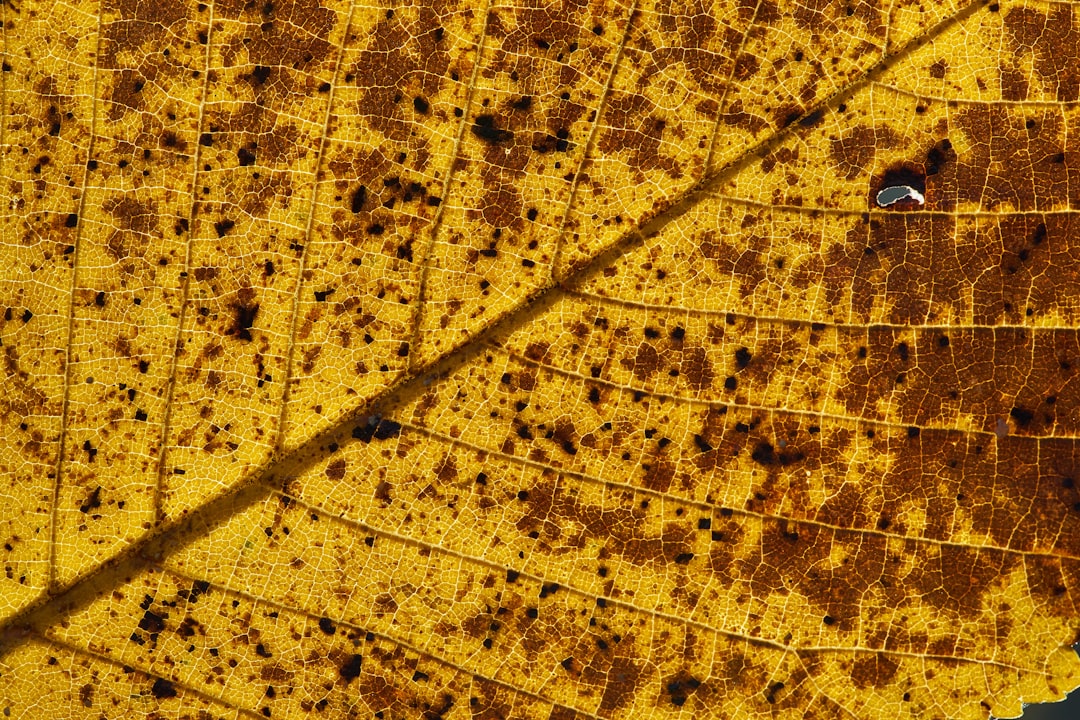
Plant care apps are particularly useful for identifying recurring houseplant issues, including:
Overwatering and Root Rot
Symptoms include yellow leaves, mushy stems, and unpleasant soil odor. Apps can recommend repotting, improving drainage, and adjusting watering schedules.
Underwatering
Signs such as drooping leaves and dry, crispy edges can trigger reminders to increase hydration frequency.
Pest Infestations
Spider mites, aphids, and mealybugs are often spotted through image scanning. Treatment suggestions may include neem oil application or isolating the plant.
Fungal and Bacterial Infections
Advanced apps differentiate between powdery mildew and bacterial leaf spot, reducing incorrect treatment attempts.
Nutrient Deficiencies
Discoloration patterns can indicate lack of nitrogen, magnesium, or iron. Apps often suggest specific fertilizers based on plant type.
Benefits for Beginners and Experienced Gardeners
Beginners benefit from guided instructions and clear reminders that build confidence. Instead of fearing plant care mistakes, they can rely on structured feedback.
Experienced gardeners appreciate rapid diagnostics and environmental tracking. Even seasoned plant owners encounter unfamiliar species or rare diseases, and apps provide supplemental expertise.
Limitations to Consider
While powerful, plant care apps are not flawless. AI diagnosis depends on image quality and lighting conditions. Some rare diseases may be misidentified, and treatments may require localized adjustments based on climate.
Users should treat these apps as informed guides rather than absolute authorities. For severe plant decline, consulting a horticulturist may still be necessary.
Choosing the Right Plant Care App
When selecting a plant care app, users should evaluate:
- The size and accuracy of the plant database
- Availability of disease treatment steps
- Reminder customization options
- User interface simplicity
- Subscription pricing
Someone focused on identification may prefer a database-heavy app, while a busy professional might prioritize automated reminders and adaptive care suggestions.
The Future of Plant Health Technology
As machine learning continues to improve, plant care apps are likely to integrate real-time environmental sensors, soil moisture data syncing, and even augmented reality overlays. Soon, diagnosing plant problems could become as simple as pointing a camera and receiving immediate, scientifically backed instructions.
This fusion of nature and technology allows plant lovers to cultivate thriving indoor jungles with greater confidence and fewer costly mistakes.
Frequently Asked Questions (FAQ)
1. Are plant care apps accurate?
Most leading plant care apps offer high accuracy for common plants and diseases, especially when clear, well-lit images are provided. However, rare conditions may still require expert consultation.
2. Do these apps work for outdoor garden plants?
Yes, many apps like PlantSnap and PictureThis include extensive outdoor plant databases suitable for gardens, trees, and wild plants.
3. Can plant apps detect pests like spider mites?
Advanced apps can identify visible pest damage and sometimes the pests themselves. Early infestations, however, may require magnified inspection.
4. Do I need to pay for plant care apps?
Many apps offer free basic features, but detailed diagnostics and advanced care plans often require a subscription.
5. How often should plants be scanned using these apps?
Regular check-ins every one to two weeks are ideal, particularly for sensitive houseplants. Early detection significantly increases recovery chances.
6. Can plant care apps replace professional horticulturists?
They serve as helpful tools but should not fully replace expert advice for severe or rare plant health issues.
By leveraging AI-powered diagnostics and smart care reminders, plant care apps empower users to identify and treat plant issues quickly. With the right app, maintaining vibrant, healthy greenery becomes more manageable, efficient, and rewarding.