Healthcare Platforms That Enhance Monitoring With 79% Better Outcomes
Healthcare is changing fast. Patients want faster answers. Doctors want better data. Families want peace of mind. That’s where modern healthcare platforms step in. These smart systems track health in real time. They send alerts. They store data. And they help doctors act before small issues become big problems.
TLDR: Healthcare monitoring platforms are improving patient outcomes by up to 79%. They use real-time data, wearable devices, and smart alerts to catch problems early. Patients stay safer, and doctors make faster decisions. The result is fewer hospital visits, lower costs, and healthier lives.
Let’s break this down in a simple way.
Why Monitoring Matters So Much
Table of Contents
Imagine driving a car with no dashboard. No speedometer. No fuel gauge. No warning lights. That would feel risky. Yet for years, healthcare worked like that. Doctors only saw patients during appointments. They relied on occasional tests. A lot could happen between visits.
Now, things are different.
Healthcare platforms track health every day. Sometimes every minute. This constant monitoring leads to:
- Early problem detection
- Fewer emergency visits
- Better medication management
- Higher patient engagement
- Reduced hospital readmissions
Studies show that enhanced monitoring can improve outcomes by up to 79%. That’s huge.
How These Platforms Work
Most modern platforms connect several tools into one simple dashboard. Patients use wearables. Doctors view data remotely. Alerts trigger when something goes wrong.
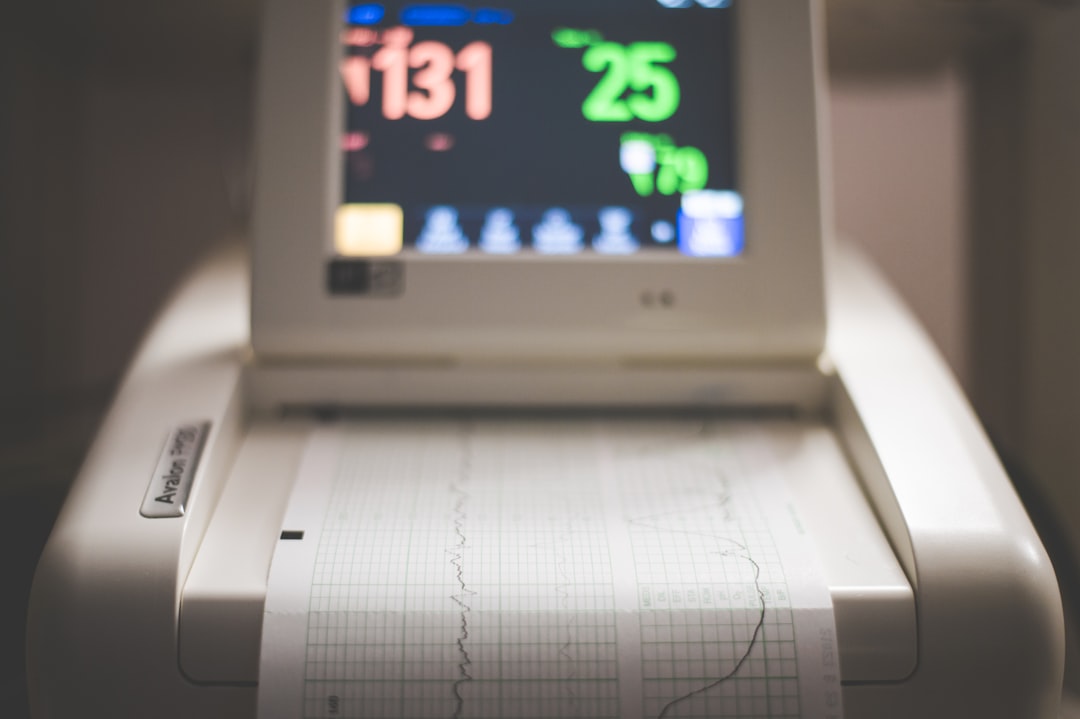
Here’s what usually makes up a healthcare monitoring platform:
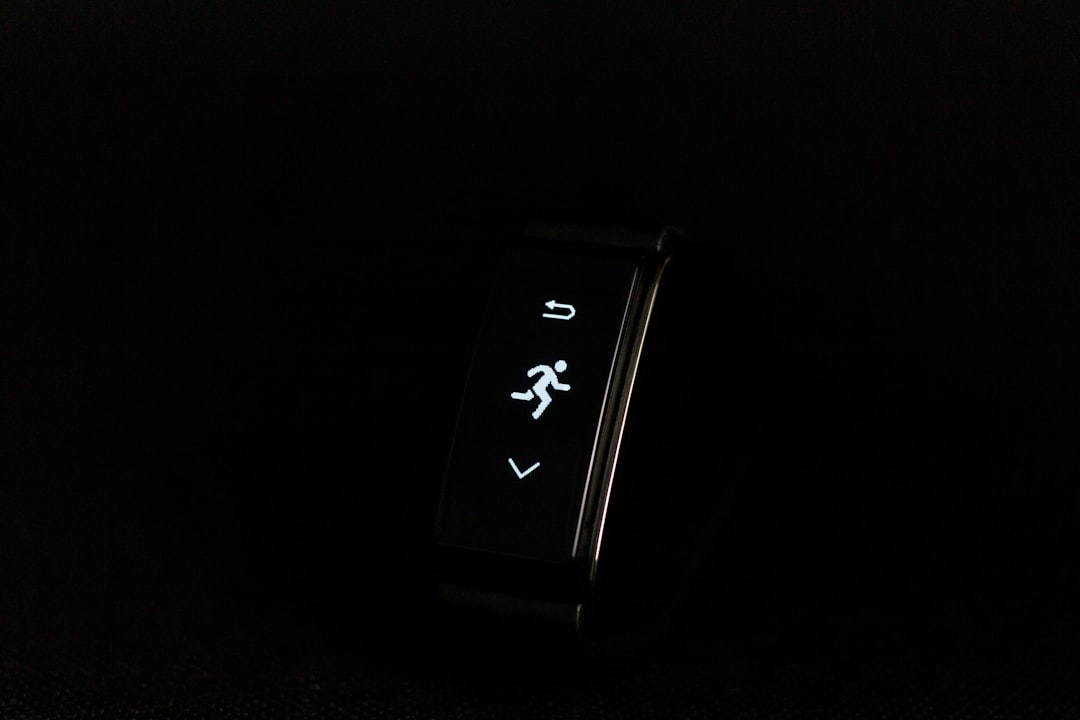
- Wearables – Smartwatches and patches track heart rate, oxygen, sleep, and more.
- Remote patient monitoring devices – Blood pressure cuffs, glucose monitors, digital scales.
- Mobile apps – Patients log symptoms and medications.
- Cloud-based dashboards – Doctors see trends in one place.
- AI alerts – Systems flag unusual readings instantly.
Everything talks to everything else. It’s like a team working together.
The 79% Improvement Explained
You might wonder. How can monitoring create such a big difference?
It works because healthcare becomes proactive instead of reactive.
Here is what changes:
- Earlier detection – Small changes get noticed fast.
- Faster response – Alerts prompt quick medical action.
- Personalized care – Data shows what works for each individual.
- Better adherence – Patients stick to treatment plans.
For example, heart failure patients monitored remotely often see significant reductions in hospitalizations. Diabetic patients improve glucose control. Blood pressure stays stable longer.
Less guessing. More knowing.
Popular Healthcare Monitoring Platforms
Let’s look at some common types of platforms enhancing outcomes today.
1. Remote Patient Monitoring Systems (RPM)
RPM systems focus on chronic conditions. Patients measure vitals at home. Data goes straight to care teams.
Best for: Heart disease, diabetes, hypertension.
2. AI Driven Predictive Health Platforms
These systems study trends. They predict risks before symptoms appear.
Best for: High risk populations, elderly patients.
3. Integrated Hospital Monitoring Suites
Hospitals use these tools for inpatients. Continuous monitoring reduces complications.
Best for: Post surgery care, ICU step down units.
4. Mental Health Monitoring Apps
These track mood, sleep, and behavior patterns. Some use AI to flag crisis risks.
Best for: Anxiety, depression, PTSD.
Comparison Chart
| Platform Type | Main Focus | Key Benefit | Outcome Improvement Potential |
|---|---|---|---|
| Remote Patient Monitoring | Chronic disease tracking | Reduced hospital readmissions | High |
| AI Predictive Platforms | Risk forecasting | Early intervention | Very High |
| Hospital Monitoring Suites | Inpatient safety | Lower complication rates | High |
| Mental Health Apps | Emotional wellbeing | Crisis prevention | Moderate to High |
Real Life Impact
Let’s make this real.
Imagine Maria. She has high blood pressure. Before monitoring, she visited her doctor every three months. Between visits, her numbers could spike without warning.
Now, Maria uses a connected blood pressure cuff at home. Each reading sends data to her nurse. One day, the system detects a steady upward trend. The care team adjusts her medication immediately.
No ER visit. No stroke. No crisis.
That is the power of monitoring.
Benefits for Patients
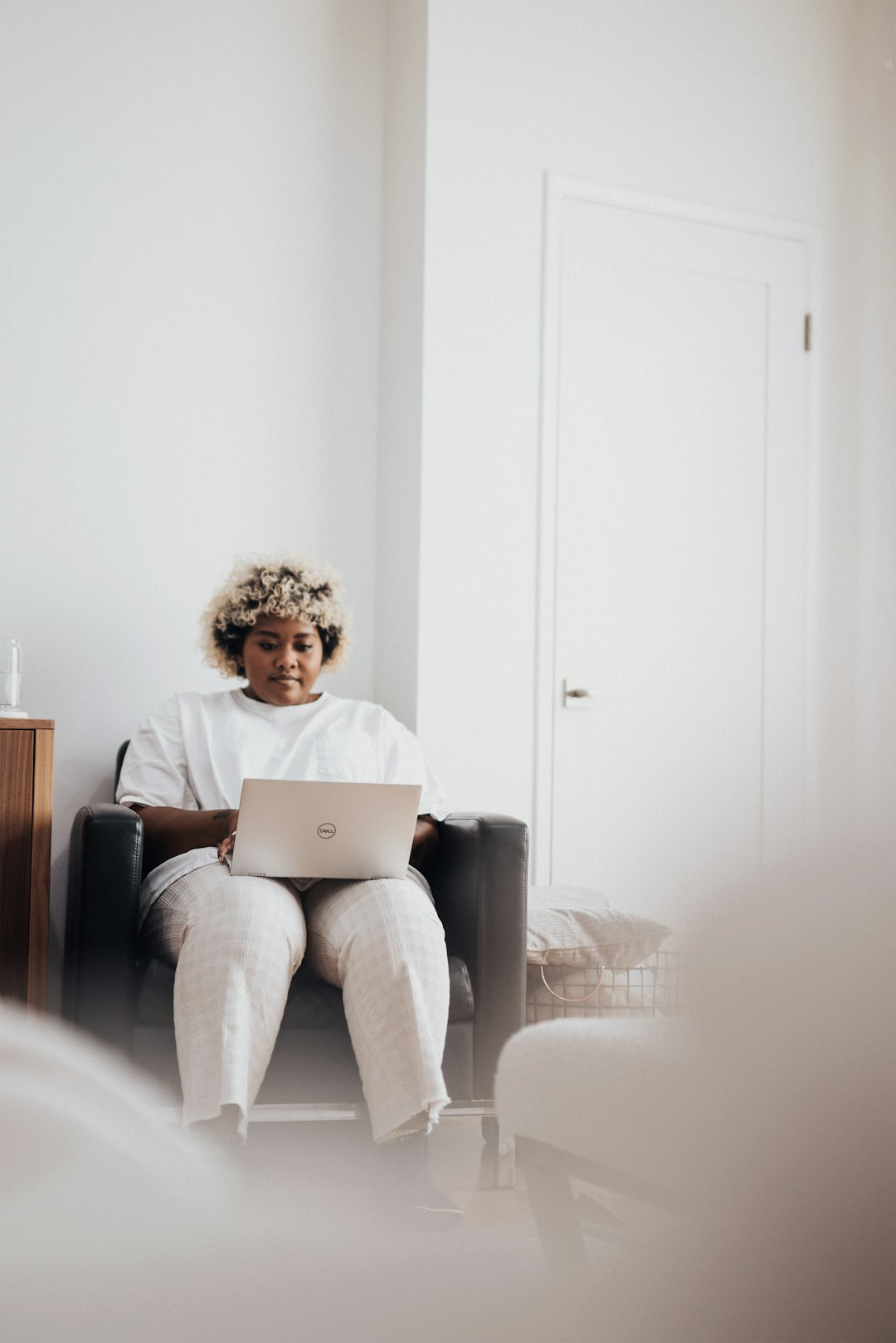
Patients love these platforms. And here’s why:
- Comfort – Care from home.
- Confidence – Constant watch over their health.
- Convenience – Fewer clinic visits.
- Clarity – Easy to understand health charts.
Patients also become more engaged. When people see their health numbers daily, they feel more in control. They walk more. They eat better. They take their meds.
Data becomes motivation.
Benefits for Doctors and Hospitals
Healthcare providers win too.
- Smarter decisions based on trends, not snapshots.
- Better workload management with automated alerts.
- Lower readmission penalties.
- Improved patient satisfaction scores.
Doctors can focus attention where it’s needed most. AI filters out normal readings. Only problems rise to the top.
Less noise. More signal.
The Role of Artificial Intelligence
AI is the secret sauce.
It scans thousands of data points. It sees patterns humans might miss. It learns over time.
For example:
- A slight rise in resting heart rate.
- A drop in oxygen during sleep.
- Irregular glucose swings.
Individually, these may seem small. Together, they can signal worsening disease.
AI connects the dots fast.
Security and Privacy
Of course, health data is sensitive.
Good platforms use:
- End to end encryption
- Secure cloud storage
- Strict access controls
- Compliance with healthcare regulations
Patients must trust the system. Security builds that trust.
Challenges to Keep in Mind
No system is perfect.
Some challenges include:
- Technology adoption among older adults.
- Data overload if poorly managed.
- Device costs.
- Internet access limitations.
But platforms are improving quickly. Devices are simpler. Interfaces are cleaner. Training programs help patients get started.
The gap is closing.
The Future of Monitoring
We are just getting started.
Soon we will see:
- Implantable micro sensors that transmit data automatically.
- Advanced predictive modeling to prevent diseases years ahead.
- Voice enabled health assistants for seniors.
- Fully integrated home health ecosystems.
Healthcare will feel less like emergency repair. More like continuous maintenance.
Why 79% Better Outcomes Is Just the Beginning
When healthcare shifts from occasional checkups to continuous connection, everything improves.
Patients feel supported. Doctors feel informed. Families feel relieved.
Monitoring platforms do not replace human care. They enhance it. They give professionals better tools. They give patients clearer insight.
The result?
Healthier lives. Fewer surprises. More prevention.
A 79% improvement is impressive. But the real story is bigger. It’s about transforming healthcare into something smarter, faster, and more personal.
And that’s a future worth watching.