Integrated Design Project: A Comprehensive Guide
Great design rarely happens by accident. It takes teamwork, planning, and clear goals. That is where an Integrated Design Project comes in. It brings people, ideas, and tools together from the very start. Instead of working in silos, everyone collaborates. The result is smarter solutions and fewer surprises.
TLDR: An Integrated Design Project (IDP) brings all stakeholders together early to plan and create better outcomes. It improves communication, reduces errors, and saves time and money. The process focuses on teamwork, shared goals, and constant feedback. When done well, it leads to sustainable, efficient, and innovative results.
What Is an Integrated Design Project?
Table of Contents
An Integrated Design Project is a collaborative approach to problem-solving. It is often used in architecture, engineering, construction, and product development. But the idea can work in almost any field.
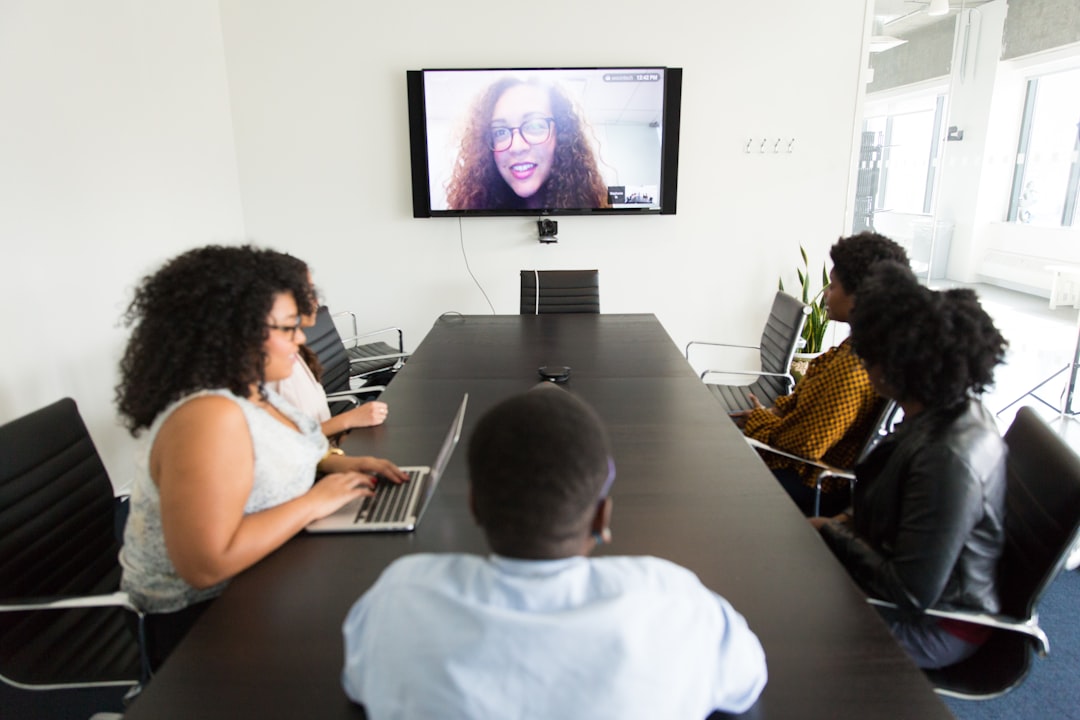
Instead of handing off tasks from one team to another, everyone works together from day one. Architects, engineers, clients, contractors, designers, and even end users can be involved early.
This approach:
- Breaks down communication barriers
- Encourages creative thinking
- Reduces costly changes later
- Focuses on whole-system solutions
Think of it like cooking a big meal together. Instead of one person choosing the recipe and others adjusting later, everyone agrees on the menu first. The result tastes better.
Why Integrated Design Matters
Traditional design often follows a straight line. One team finishes. Then another starts. This can cause problems.
For example:
- The architect designs something beautiful.
- The engineer says it will not work structurally.
- The contractor says it is too expensive to build.
Changes happen late. Costs rise. Stress increases.
Integrated design avoids this issue. Everyone speaks up early. Problems are found before they grow.
It is proactive, not reactive.
Key Principles of an Integrated Design Project
To succeed, an IDP must follow clear principles.
1. Early Involvement
Bring all stakeholders into the project from the beginning. Do not wait until problems appear.
2. Shared Vision
Everyone must agree on goals. Is sustainability important? Is cost the priority? Is speed key?
3. Open Communication
Ideas must flow freely. Honest feedback is essential.
4. Collaborative Decision-Making
Decisions are made together. Not in isolation.
5. Continuous Evaluation
The team checks progress often. Adjustments happen quickly.
These principles create trust. And trust builds better designs.
The Main Phases of an Integrated Design Project
Although projects vary, most follow a similar structure.
Phase 1: Discovery and Goal Setting
This is the foundation. The team defines:
- Project objectives
- Budget limits
- Timeline
- Performance targets
Workshops are common during this phase. Brainstorming sessions help uncover creative ideas.
Phase 2: Concept Development
The team explores multiple design options. They evaluate pros and cons together.
This stage often includes:
- Sketches and drafts
- Feasibility studies
- Energy modeling
- Preliminary cost analysis
Ideas are tested early. Weak options are removed.
Phase 3: Detailed Design
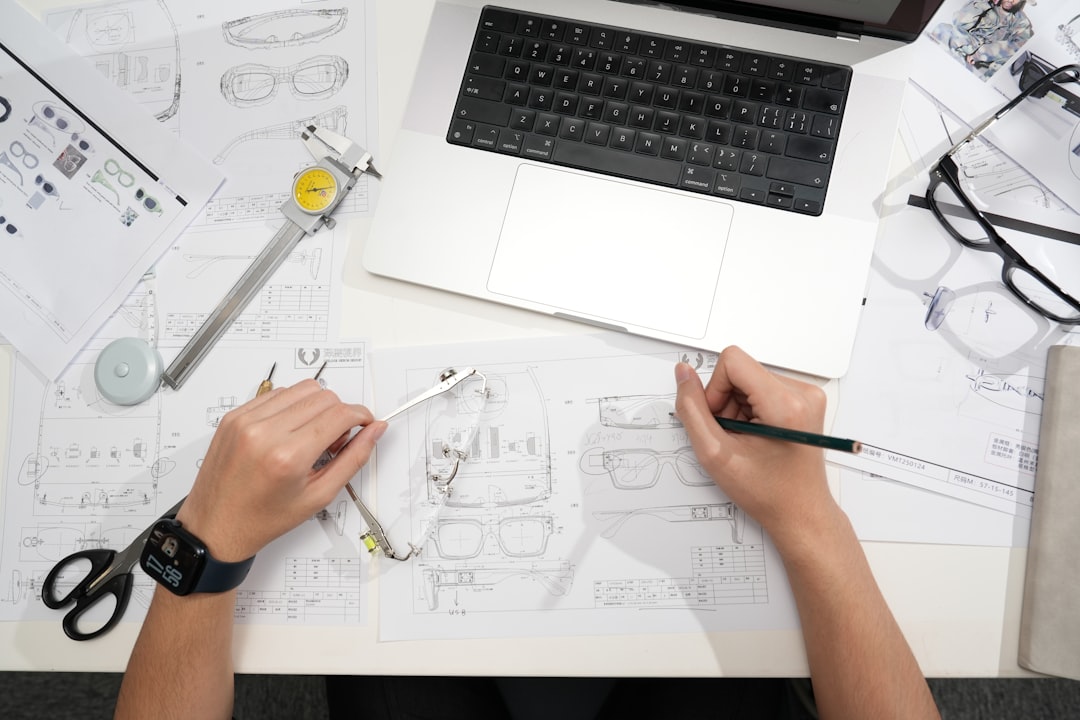
The chosen concept is refined. Technical details are completed.
Because everyone was involved early, this stage runs more smoothly. Fewer surprises appear.
Phase 4: Implementation
The design becomes reality. Construction or production begins.
Even now, collaboration continues. If issues arise, the team solves them together.
Phase 5: Evaluation and Feedback
After completion, performance is reviewed. Did the project meet its goals? What can be improved next time?
This step helps future projects succeed.
Common Tools Used in Integrated Design
Integrated projects rely on specialized tools. These tools improve collaboration and analysis.
Here are some popular categories:
- BIM Software (Building Information Modeling)
- Project Management Platforms
- Energy Simulation Tools
- Collaboration and Communication Apps
Comparison of Key Tools
| Tool Type | Main Purpose | Best For | Strength |
|---|---|---|---|
| BIM Software | 3D modeling and data integration | Architecture and construction | Improves accuracy and coordination |
| Project Management Platforms | Task tracking and scheduling | All industries | Enhances transparency |
| Energy Simulation Tools | Performance analysis | Sustainable design projects | Optimizes efficiency |
| Collaboration Apps | Real-time communication | Remote teams | Speeds up decision-making |
Using these tools together creates a powerful system. Data flows more easily. Decisions become informed.
Benefits of Integrated Design
The advantages are impressive.
1. Better Quality
Integrated teams spot weaknesses early. Quality improves.
2. Cost Savings
Changes later in a project are expensive. Early collaboration reduces rework.
3. Faster Completion
When communication is strong, delays shrink.
4. Sustainability
Integrated design often focuses on energy efficiency and environmental impact. Experts work together to reduce waste.
5. Innovation
Diverse perspectives spark creative ideas.
In short, it makes projects smarter.
Challenges to Watch Out For
No system is perfect. Integrated design has challenges too.
- Time Investment Early On – Planning meetings take effort.
- Conflict Between Stakeholders – Different opinions can clash.
- Learning Curve – Teams may need training in new tools.
- Clear Leadership Needed – Without direction, collaboration can become chaos.
But these challenges are manageable. Strong facilitation helps. Clear roles help. So does mutual respect.
Real-World Example
Imagine a new office building project.
In a traditional method, the architect designs first. The engineer reviews later. Contractors provide cost estimates after that.
In an Integrated Design Project:
- The architect suggests large glass windows.
- The energy consultant evaluates heat gain immediately.
- The structural engineer checks support needs.
- The contractor reviews material costs.
All at the same time.
The team may adjust window size. They may add shading devices. They may choose higher-performance glass.
Decisions happen early. The final building performs better. And stays within budget.
Tips for a Successful Integrated Design Project
Want your project to succeed? Follow these tips.
Start with Clear Goals
Write them down. Share them with everyone.
Choose the Right Team
Select people who communicate well. Skills matter. Attitude matters too.
Encourage Open Dialogue
Create a safe space for ideas. Even bold ones.
Use Visual Tools
Diagrams and 3D models reduce misunderstandings.
Review Often
Schedule regular check-ins. Fix small issues before they grow.
Celebrate Milestones
Recognize progress. It keeps morale high.
Integrated Design Beyond Buildings
This approach is not limited to construction.
It works well in:
- Product development
- Software design
- Urban planning
- Healthcare systems
- Educational program development
Any complex project benefits from collaboration.
When experts unite early, solutions become more balanced. And more innovative.
The Future of Integrated Design
The future looks collaborative.
Technology is advancing. Cloud-based platforms connect global teams. Artificial intelligence assists with simulations. Virtual reality helps stakeholders explore designs before construction begins.
As projects grow more complex, siloed work becomes risky.
Integration will become the norm.
Final Thoughts
An Integrated Design Project is not just a method. It is a mindset.
It values teamwork over hierarchy. It values long-term performance over quick fixes. It encourages creativity and accountability.
The secret is simple.
Bring the right people together. Start early. Communicate clearly. Stay aligned.
When you do this, great design follows.