
The Role of Drainage and Gutters in Preventing Foundation Damage
Water is one of the most powerful forces acting on a home. While it is essential for life, it can also be a relentless source of structural damage when not properly controlled. Among the most vulnerable parts of any structure is its foundation. Cracks, shifting, settlement, and moisture intrusion often begin with poor drainage and malfunctioning gutters. Understanding how these systems work—and why they matter—is essential for protecting both structural integrity and long-term property value.
TLDR: Poor drainage and failing gutters are among the leading causes of foundation damage. When water is not directed away from a home, it accumulates around the foundation, leading to soil expansion, cracking, and structural instability. Properly installed and maintained gutters and drainage systems protect your home by controlling water flow and preventing erosion. Investing in these systems dramatically reduces the risk of costly foundation repairs.
The Foundation: Why Water Is Its Greatest Threat
Table of Contents
A foundation is designed to support the entire weight of a structure while keeping it level and stable. Whether slab, crawl space, or basement-based, foundations rely on surrounding soil for support. The problem arises when water alters that soil.
Excess moisture changes the characteristics of soil in several harmful ways:
- Expansion: Clay-heavy soils swell when wet, exerting pressure against foundation walls.
- Contraction: When soil dries after saturation, it shrinks and leaves voids beneath the foundation.
- Erosion: Moving water washes away supporting soil, reducing stability.
- Hydrostatic pressure: Water buildup against basement walls forces moisture through cracks.
Over time, these forces can result in:
- Foundation cracks
- Uneven floors
- Sticking doors and windows
- Basement leaks
- Structural settlement
In many cases, the root cause is not poor construction—but uncontrolled water.
How Gutters Protect Your Foundation
Gutters form the first line of defense in water management. Their role is simple but critical: collect rainwater from the roof and channel it safely away from the house.
Without gutters, a significant amount of rainwater falls directly beside the foundation. Consider that a single inch of rainfall on an average-sized roof can produce hundreds of gallons of runoff. If that water pools near the structure, damage becomes highly likely.
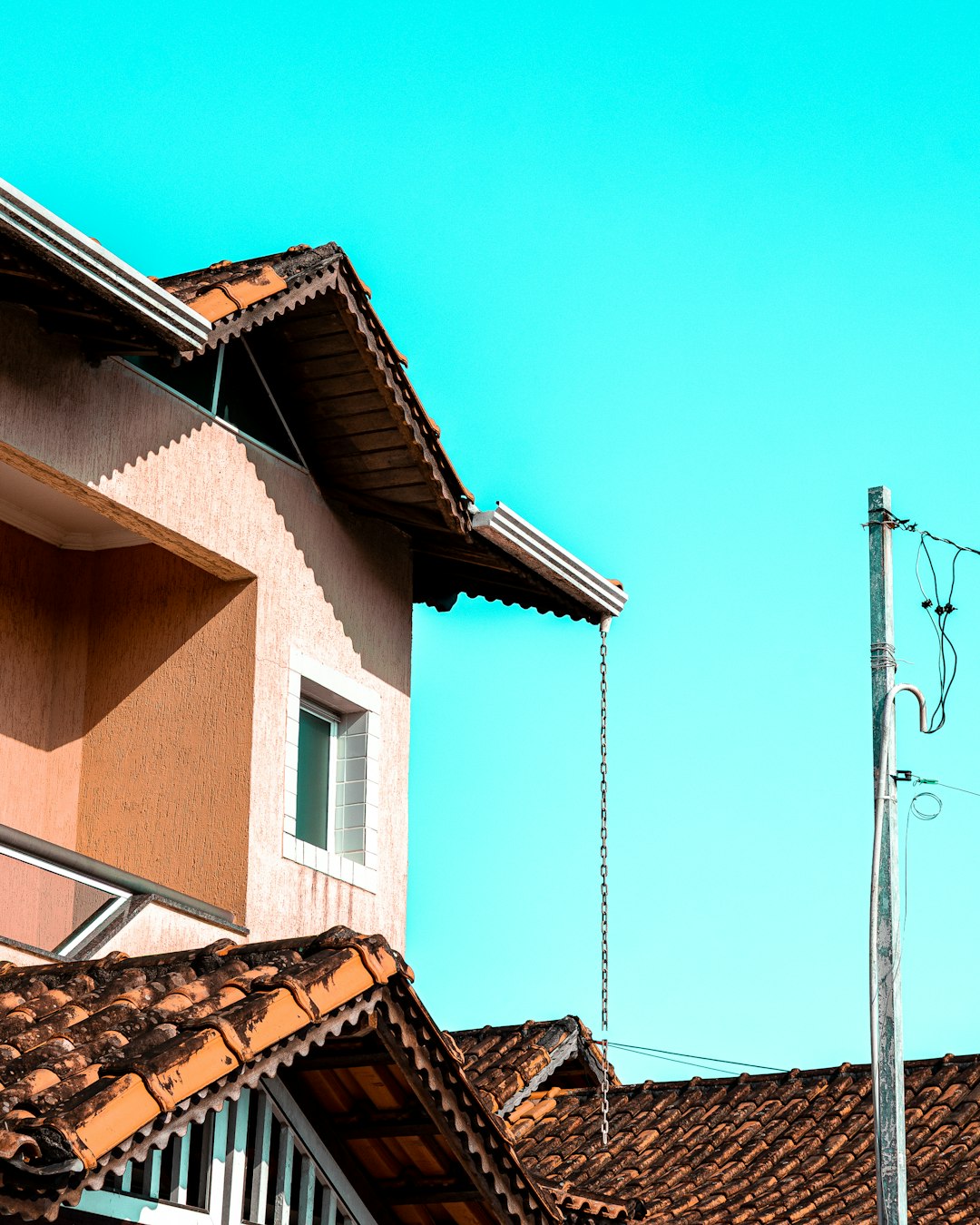
Key functions of gutters include:
- Preventing soil oversaturation near the foundation
- Reducing soil erosion along the perimeter
- Protecting siding and exterior walls
- Minimizing basement flooding risk
- Reducing mold and mildew formation
However, gutters only work effectively if they are:
- Properly sized for the roof area
- Correctly pitched for drainage
- Free from debris and blockages
- Connected to functional downspouts
A clogged or poorly maintained gutter system is nearly as harmful as having no gutters at all.
The Critical Role of Downspouts
Downspouts carry water from the gutter system to the ground level. Yet merely discharging water at the base of the home is not sufficient. Water must be directed several feet away from the foundation.
Best practices recommend:
- Extending downspouts at least 4–6 feet away from the structure
- Using splash blocks or downspout extensions
- Connecting to underground drainage where necessary
If downspouts release water directly next to the foundation, saturation will occur at the precise location where stability is most critical.
Surface Drainage Systems: Controlling Groundwater Movement
In addition to roof runoff, groundwater movement significantly impacts foundation performance. Surface drainage ensures water flows away from the property rather than collecting around it.
Image not found in postmetaEffective surface drainage strategies include:
- Proper grading: Soil should slope away from the home at least 6 inches over the first 10 feet.
- Swales: Shallow channels that redirect water flow.
- French drains: Gravel-filled trenches with perforated pipes that move water underground.
- Catch basins: Systems that collect and redirect pooling water.
Poor grading is one of the most common oversights in residential construction. Even minor soil settlement can alter slope direction, causing water to drain toward instead of away from the foundation.
Hydrostatic Pressure: The Hidden Force
Hydrostatic pressure occurs when groundwater accumulates and pushes laterally against foundation walls. This pressure increases significantly after heavy rainfall or snowmelt.
Signs of hydrostatic pressure problems include:
- Horizontal foundation wall cracks
- Water seepage through basement walls
- Efflorescence (white mineral deposits)
- Bowing basement walls
Gutters and exterior drainage substantially reduce hydrostatic pressure by minimizing water accumulation in surrounding soil. In severe cases, interior drainage systems and sump pumps may be required—but prevention is always more cost-effective than structural repair.
Seasonal Risks and Climate Considerations
Different climates create different drainage challenges:
- Cold climates: Ice dams and freezing cycles cause gutter blockages and soil heaving.
- Wet climates: Persistent rainfall increases soil saturation levels year-round.
- Dry climates: Sudden heavy storms after drought cause rapid soil expansion.
- Snow-heavy regions: Spring thaw results in concentrated water flow.
Homes in areas with expansive clay soils are particularly vulnerable. These soils expand dramatically when wet and shrink deeply during dry spells, creating continuous movement beneath the foundation.
Maintenance: The Most Overlooked Protection Strategy
Even the most sophisticated drainage system fails without routine maintenance. Debris accumulation, corrosion, and soil shifting gradually reduce effectiveness.
Recommended maintenance practices:
- Clean gutters at least twice per year
- Inspect after major storms
- Check for sagging or detached sections
- Ensure downspout discharge points remain clear
- Monitor soil grading annually
Proactive inspections help identify early warning signs such as:
- Standing water near the foundation
- Soil pulling away from the house
- Cracks forming in exterior walls
- Basement dampness or odors
Addressing small drainage issues early can prevent structural repairs costing tens of thousands of dollars.
The Financial Impact of Neglect
Foundation repairs are among the most expensive structural fixes a homeowner may face. Depending on severity, costs can range from several thousand to well over $50,000. In contrast, maintaining gutters and improving drainage is relatively inexpensive.
Beyond repair costs, foundation damage can:
- Lower property value
- Complicate home sales
- Increase insurance claims
- Create long-term moisture and mold problems
A properly functioning drainage system is therefore both a structural safeguard and a financial protection strategy.
Designing a Comprehensive Water Management Plan
The most effective approach combines multiple protective elements into a unified system:
- Roof runoff control: Gutters and downspouts sized appropriately.
- Discharge management: Extensions or underground pipes directing water away.
- Surface grading: Positive slope away from the foundation.
- Subsurface drainage: French drains where necessary.
- Regular inspection: Ongoing monitoring and cleaning.
No single component alone provides full protection. Integration ensures that water never accumulates where it can compromise structural integrity.
Warning Signs You Should Never Ignore
Homeowners should seek professional evaluation if they observe:
- New or widening foundation cracks
- Doors and windows that suddenly misalign
- Persistent basement moisture
- Pooling water after rainfall
- Exterior soil erosion
These symptoms often trace back to inadequate drainage. Early intervention can stabilize conditions before permanent damage occurs.
Conclusion
Drainage and gutter systems may not be the most visible or glamorous components of a home, but they are among the most critical. Water mismanagement silently undermines foundations, weakens soil stability, and accelerates structural deterioration. By contrast, a well-designed and properly maintained drainage system preserves integrity, prevents costly damage, and extends the lifespan of the entire building.
Protecting a foundation does not begin with crack repair—it begins with water control. Through responsible maintenance, thoughtful system design, and consistent inspection, homeowners can ensure that rainwater remains an asset to the landscape rather than a threat to the structure. In matters of long-term structural health, few investments are as practical or as essential as proper drainage and functional gutters.