What Happens During a Professional AC Inspection
A professional air conditioning (AC) inspection is a comprehensive evaluation of a cooling system’s performance, safety, and efficiency. Whether performed as part of routine maintenance or before peak summer months, this process helps ensure the system operates reliably and cost-effectively. Homeowners often underestimate what goes into a full inspection, but trained HVAC technicians follow a detailed checklist designed to detect issues early, prevent breakdowns, and extend equipment lifespan.
TLDR: During a professional AC inspection, a certified technician evaluates the system’s overall condition, safety, and efficiency. This includes examining electrical components, refrigerant levels, coils, filters, thermostat operation, and airflow. The goal is to identify small issues before they escalate into costly repairs, improve energy performance, and extend the unit’s life. Regular inspections help maintain comfort, reduce breakdown risks, and lower long-term operating costs.
Why a Professional AC Inspection Matters
Table of Contents
An air conditioning system is a complex piece of equipment composed of mechanical, electrical, and refrigerant components. Over time, wear and tear can reduce efficiency and lead to system failure. A professional inspection ensures:
- Optimal energy efficiency
- Improved indoor air quality
- Extended system lifespan
- Early detection of safety risks
- Reduced likelihood of unexpected breakdowns
Rather than waiting for the AC to stop functioning during a heatwave, proactive inspections help homeowners stay ahead of potential problems.
Initial System Evaluation
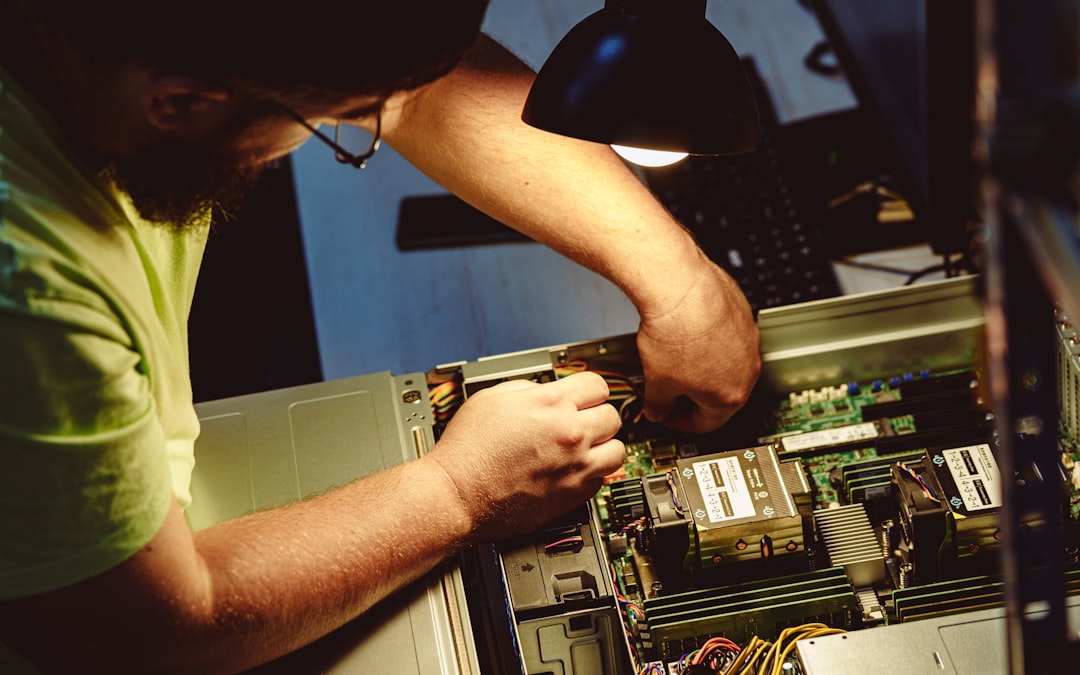
The inspection typically begins with a visual overview of the entire system. The technician examines both the indoor and outdoor units to assess overall condition. They look for signs of physical damage, corrosion, loose connections, or debris buildup.
At this stage, the technician may also ask the homeowner about recent performance issues such as:
- Insufficient cooling
- Unusual noises
- Higher energy bills
- Frequent cycling on and off
This information helps direct attention to specific system areas during the inspection.
Thermostat Inspection and Calibration
The thermostat serves as the control center for the cooling system. A technician verifies that it communicates properly with the AC unit and accurately reads indoor temperatures. If needed, calibration adjustments are made to ensure:
- Accurate temperature readings
- Proper system cycling
- Energy-efficient operation
For programmable or smart thermostats, the technician may also confirm programming settings and recommend efficiency improvements.
Air Filter Examination and Replacement
The air filter plays a critical role in maintaining airflow and indoor air quality. During inspection, the technician checks whether the filter is clogged or excessively dirty. A neglected filter can:
- Restrict airflow
- Reduce system efficiency
- Cause evaporator coils to freeze
- Increase energy consumption
If needed, the filter is replaced. The technician may also recommend a replacement schedule tailored to the home’s usage and environmental conditions.
Inspection of Coils and Cleaning
The evaporator coil (inside unit) and condenser coil (outside unit) are essential for heat exchange. Dirt and debris buildup on these coils can significantly reduce performance.
During the inspection, the technician checks for:
- Dirt accumulation
- Corrosion
- Coil damage
- Restricted airflow around the outdoor unit
If necessary, professional-grade cleaning solutions and tools are used to restore the coils to optimal condition.
Refrigerant Level Check
Refrigerant is the substance responsible for absorbing and releasing heat within the AC system. Improper refrigerant levels can compromise performance and damage the compressor.
Technicians measure refrigerant pressure using specialized gauges and compare readings to manufacturer specifications. Low refrigerant levels may indicate a leak, which requires further diagnostics and repair.
Important: Refrigerant handling requires certification and adherence to environmental regulations, making professional service essential.
Electrical Component Testing
An AC system relies on numerous electrical parts, including capacitors, contactors, relays, and wiring connections. Faulty electrical components can lead to sudden breakdowns or pose fire hazards.
During this phase, the technician:
- Inspects wiring for wear or loose connections
- Tests capacitors and contactors
- Measures voltage and current draws
- Tightens electrical connections
Any component showing signs of deterioration may be recommended for replacement.
Inspection of the Blower Motor and Fan
The blower motor circulates cooled air throughout the home. If it malfunctions, comfort levels quickly decline. The technician evaluates:
- Motor performance
- Fan blade condition
- Belt tension (if applicable)
- Lubrication needs
Unusual vibrations or noises are investigated to prevent future mechanical failures.
Condensate Drain Line Check
As the AC removes humidity from indoor air, moisture drains through a condensate line. Over time, this line can clog with algae, mold, or debris. A blocked drain can cause:
- Water leaks
- Property damage
- Mold growth
The technician inspects and clears the condensate drain line to ensure proper moisture removal.
Airflow and Ductwork Assessment
Proper airflow is essential for system efficiency. During inspection, airflow measurements may be taken to confirm adequate distribution. The technician may also look for visible duct issues such as:
- Loose connections
- Leaks
- Collapsed sections
- Excessive dust buildup
Addressing airflow problems can significantly reduce energy usage and improve comfort.
Safety Control Testing
Modern AC systems include built-in safety controls designed to shut down the system if certain conditions occur. The technician verifies that safety switches and limit controls are functioning correctly, helping prevent overheating and equipment damage.
Performance Testing and System Cycling
After completing individual component checks, the technician runs the system through a full cooling cycle. This allows evaluation of:
- Startup performance
- Cooling output
- Temperature differential
- System shutdown behavior
Temperature readings at supply and return vents help determine whether the unit is cooling within expected ranges.
Common Tools Used During an AC Inspection
| Tool | Purpose | Why It Is Important |
|---|---|---|
| Digital Multimeter | Measures voltage and current | Ensures electrical components operate safely |
| Refrigerant Gauges | Checks refrigerant pressure | Verifies proper cooling performance |
| Thermometer | Measures air temperature differential | Confirms system efficiency |
| Manometer | Measures airflow pressure | Detects airflow restrictions |
| Coil Cleaning Tools | Removes dirt from coils | Improves heat exchange efficiency |
Final Report and Recommendations
Once the inspection is complete, the technician typically provides a detailed summary of findings. This may include:
- Current system condition
- Repairs needed immediately
- Maintenance recommendations
- Estimated remaining system lifespan
Transparent reporting allows homeowners to make informed decisions about repairs, upgrades, or replacement.
How Long Does a Professional AC Inspection Take?
A standard inspection usually takes between 60 to 90 minutes, depending on the system’s size and complexity. Systems with existing issues may require additional diagnostic time.
How Often Should AC Inspections Be Scheduled?
Most HVAC professionals recommend scheduling an inspection once per year, ideally in the spring before peak cooling season. Homes in particularly hot climates may benefit from biannual maintenance visits.
Conclusion
A professional AC inspection is far more than a quick visual check. It is a systematic evaluation of every critical component that enables a cooling system to function safely and efficiently. From refrigerant levels and electrical integrity to airflow and safety controls, each step plays a vital role in preventing breakdowns and maintaining comfort. Regular inspections not only protect the investment in HVAC equipment but also ensure consistent performance during the hottest months of the year.
Frequently Asked Questions (FAQ)
- How much does a professional AC inspection typically cost?
Costs vary by region, but most inspections range between $75 and $200. Pricing may depend on system size and service inclusions. - Is an AC inspection the same as maintenance?
An inspection focuses on evaluation and diagnostics, while maintenance may include cleaning, minor repairs, and part replacements. - Can a homeowner perform their own AC inspection?
Homeowners can check filters and clear debris around the outdoor unit, but refrigerant handling and electrical testing require professional certification. - What happens if issues are found during inspection?
The technician will provide repair recommendations and cost estimates. Some minor fixes can often be completed on the same visit. - Does regular inspection really extend system lifespan?
Yes. Early detection and proper maintenance reduce strain on components, often adding several years to the system’s operational life.