

3 Page Builder Services That Streamline Web Design, Editing, And Customization
In an era where digital presence defines credibility, businesses and professionals can no longer afford poorly designed or difficult-to-manage websites. Modern page builder services have transformed the way websites are created, edited, and customized, eliminating the need for advanced coding knowledge while maintaining professional standards. The right solution can significantly reduce development time, lower costs, and empower teams to make real-time changes without relying heavily on developers.
TLDR: Page builder services provide efficient, flexible tools for creating and managing professional websites without advanced coding. Platforms like Elementor, Webflow, and Wix streamline web design, editing, and customization through intuitive interfaces and robust feature sets. Each tool serves different user needs, from beginner-friendly simplicity to advanced design control. Selecting the right platform depends on budget, scalability requirements, and technical expertise.
The Role of Page Builders in Modern Web Design
Table of Contents
Traditional website development often involves separate workflows for design, coding, content updates, and deployment. Page builders consolidate these steps into unified, visual environments. Instead of manually editing HTML, CSS, or JavaScript, users manipulate visual components directly on the page.
This streamlined approach offers several key advantages:
- Visual drag-and-drop editing
- Real-time design previews
- Pre-built templates and sections
- Responsive design controls
- Integration with marketing and analytics tools
Below are three highly regarded page builder services that consistently deliver reliable results for businesses, freelancers, and agencies.
1. Elementor
Best for: WordPress users seeking flexibility and advanced customization
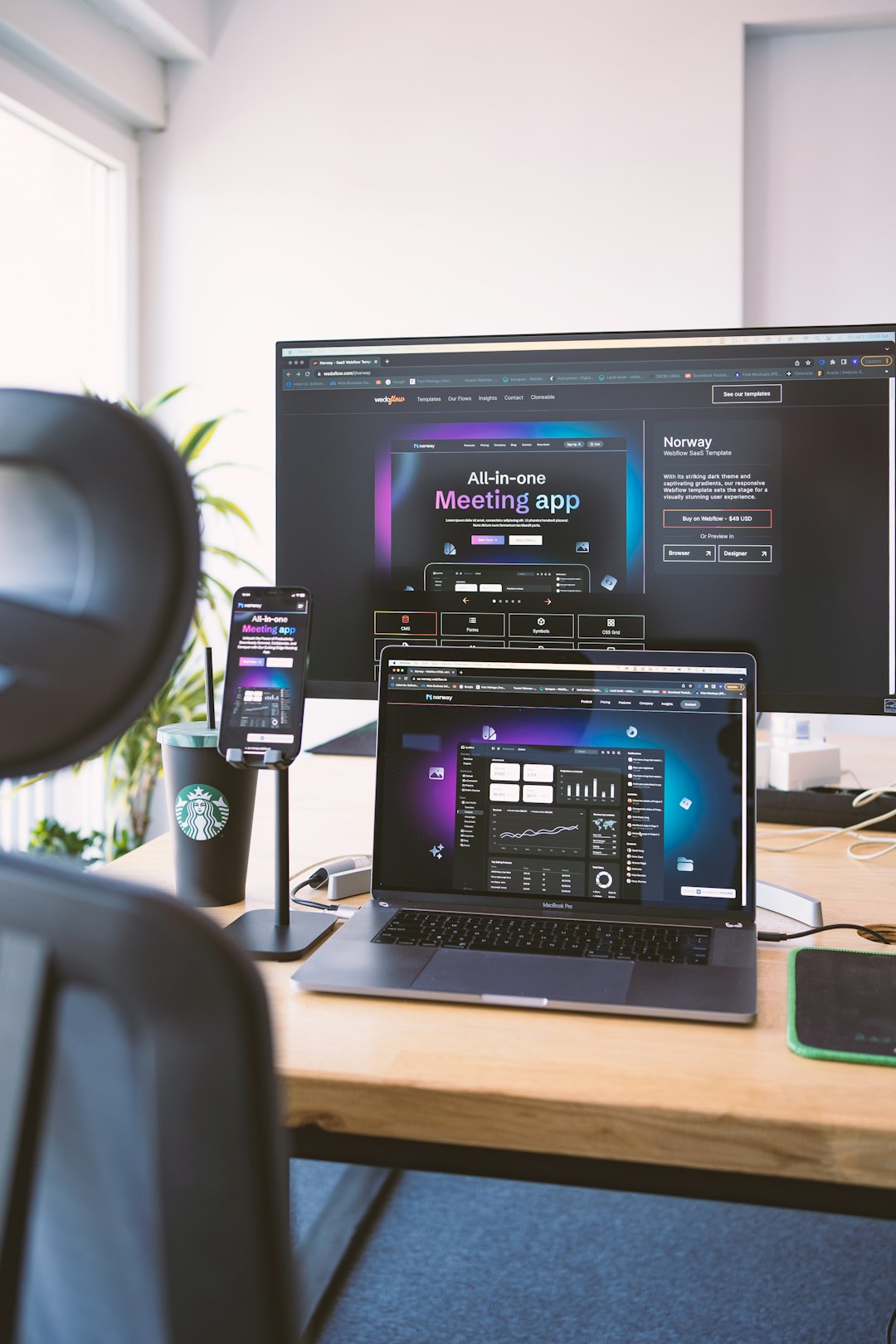
Elementor is one of the most widely adopted page builder plugins within the WordPress ecosystem. Designed to extend WordPress functionality, it combines user-friendly editing with robust design controls suitable for complex websites.
Key Advantages
- True visual builder: See changes instantly as you make them.
- Extensive widget library: From sliders to forms to dynamic content blocks.
- Theme builder functionality: Customize headers, footers, and archive pages.
- WooCommerce support: Ideal for eCommerce customization.
- Large third-party extension ecosystem.
Elementor stands out because it strikes a balance between accessibility and professional-grade design power. Beginners can work from templates, while experienced developers can integrate custom CSS and dynamic data.
Considerations
- Requires WordPress hosting and maintenance.
- Advanced features are limited to paid plans.
- Overuse of visual effects may affect performance if not optimized.
For businesses already operating on WordPress, Elementor provides a reliable path toward greater design autonomy without abandoning existing infrastructure.
2. Webflow
Best for: Designers and agencies needing precision and clean code output
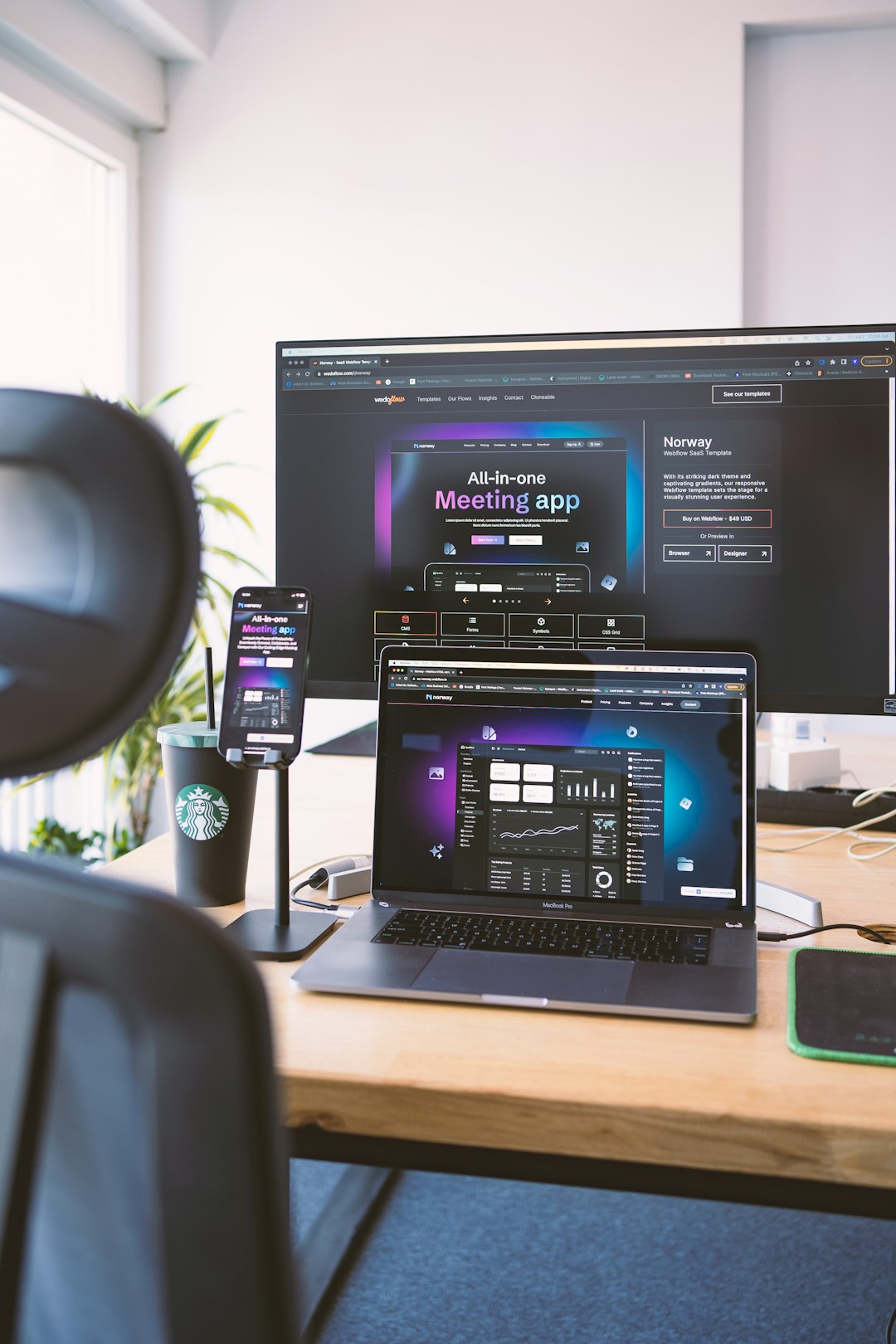
Webflow offers a powerful visual design environment that generates production-ready HTML, CSS, and JavaScript. Unlike many builders, it is not merely a simplified website editor. Instead, it provides granular control over layout and styling while maintaining a visual interface.
Key Advantages
- Design without code, export clean code: Ideal for professionals.
- Advanced animation and interaction tools.
- CMS capabilities for dynamic content.
- Integrated hosting and security.
- No plugin dependency structure.
Webflow appeals strongly to creative professionals who want flexibility without sacrificing performance. Its animation engine allows for dynamic user experiences that would typically require custom scripting.
Considerations
- Steeper learning curve compared to beginner-focused platforms.
- Pricing may be higher for growing content-heavy sites.
- Full benefit requires understanding of web design fundamentals.
For agencies and designers aiming to deliver custom, high-performance websites without traditional development cycles, Webflow offers a mature and capable environment.
3. Wix
Best for: Small businesses and individuals seeking simplicity and speed
Image not found in postmetaWix is a fully hosted website builder recognized for its beginner-friendly interface and all-in-one design approach. Users can build functional websites within hours using its drag-and-drop editor and vast template library.
Key Advantages
- Extremely intuitive interface.
- Wide selection of industry-specific templates.
- Built-in hosting and security.
- App marketplace for extended functionality.
- Minimal technical setup.
Wix is particularly effective for small businesses, consultants, restaurants, and local service providers that need an operational site quickly. Its guided design tools reduce the complexity commonly associated with website creation.
Considerations
- Less granular customization compared to Webflow.
- Switching templates after launch can be difficult.
- Scalability may be limited for highly complex sites.
For entrepreneurs who prioritize speed, convenience, and ease of use, Wix delivers a reliable and accessible solution.
Comparison Chart
| Feature | Elementor | Webflow | Wix |
|---|---|---|---|
| Ease of Use | Moderate | Moderate to Advanced | Very Easy |
| Customization Depth | High | Very High | Medium |
| Hosting Included | No (WordPress required) | Yes | Yes |
| Best For | WordPress Users | Design Professionals | Small Businesses |
| Learning Curve | Moderate | Steeper | Low |
| Scalability | High | High | Moderate |
How to Choose the Right Page Builder
Selecting the right service requires evaluating several factors:
1. Technical Comfort Level
If you are comfortable working within WordPress and managing hosting, Elementor offers flexibility. If you prefer an all-in-one solution with minimal setup, Wix may be a better fit. Designers seeking precision should consider Webflow.
2. Project Complexity
Highly interactive, content-heavy websites may benefit from Webflow or Elementor. Smaller brochure-style websites can be efficiently managed with Wix.
3. Budget and Scalability
Consider both initial and ongoing costs, including hosting, premium features, and potential third-party integrations. Scalability becomes increasingly important as your online presence expands.
4. Long-Term Maintenance
Websites require updates, backups, and optimization. Hosted platforms reduce maintenance burden, while self-hosted solutions provide more control.
Final Thoughts
Page builder services have matured into reliable platforms capable of supporting serious business initiatives. They streamline web design, simplify editing workflows, and make customization accessible without sacrificing professional standards.
Elementor empowers WordPress users with flexibility and control. Webflow offers precision and advanced design capabilities for professionals. Wix delivers speed and simplicity for small businesses and first-time website owners.
Ultimately, the most effective choice depends on your goals, technical confidence, and long-term growth strategy. By carefully evaluating each platform’s strengths and limitations, organizations can streamline their web design process while maintaining high levels of quality and customization.