

How to Design IoT Systems That Reduce Energy Usage by 22%
The Internet of Things (IoT) has transformed how we monitor, automate, and optimize the world around us. From smart homes and connected factories to intelligent agriculture and energy grids, IoT systems are everywhere. But as billions of devices come online, they also consume significant amounts of electricity. Designing IoT systems that actively reduce energy usage—by as much as 22% or more—is no longer just an environmental goal; it’s a competitive and operational necessity.
TLDR: Thoughtful IoT design can reduce energy consumption by 22% or more through intelligent sensor placement, low-power hardware, edge computing, adaptive communication protocols, and data-driven automation. The biggest gains come from combining efficient device design with smart analytics and real-time control. By minimizing unnecessary data transmission, optimizing device sleep cycles, and automating energy-intensive processes, organizations can significantly reduce both costs and carbon footprint. Energy-efficient IoT is not just possible—it’s a strategic advantage.
Why Energy-Efficient IoT Design Matters
Table of Contents
Energy efficiency in IoT operates at two levels:
- Device-level efficiency: Reducing the power consumption of sensors, actuators, and communication modules.
- System-level efficiency: Using IoT intelligence to lower energy usage across buildings, factories, transportation systems, or cities.
Many deployments focus only on functionality and scalability, overlooking power optimization. However, poorly designed IoT ecosystems can create energy overhead that offsets operational gains. On the other hand, strategic design choices can yield measurable reductions—often reaching or exceeding 22% energy savings in commercial and industrial settings.
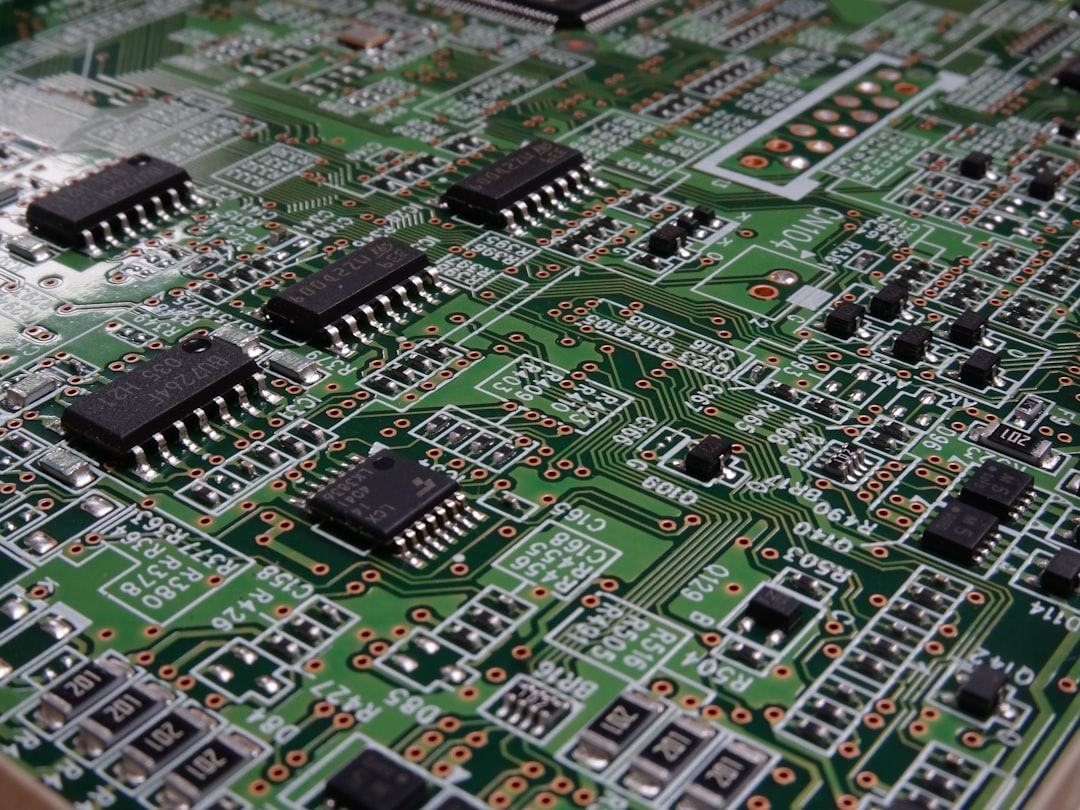
1. Choose Ultra-Low-Power Hardware Components
The foundation of any efficient IoT system is hardware selection. Even the most advanced software cannot compensate for poorly optimized physical devices.
Key hardware considerations include:
- Low-power microcontrollers (MCUs) with deep sleep modes.
- Energy-efficient sensors that activate only when thresholds are crossed.
- Optimized communication modules such as BLE, Zigbee, or LoRaWAN where appropriate.
- Energy harvesting capabilities (solar, vibration, thermal).
For example, replacing always-on Wi-Fi modules with event-based, low-power wide-area networks can dramatically cut transmission energy use. In large-scale sensor deployments, this single shift can account for 8–12% overall system savings.
2. Design for Intelligent Sleep Cycles
One of the most effective yet underutilized strategies in IoT design is leveraging sleep states. Many devices remain powered unnecessarily, even when idle.
Best practices include:
- Implementing dynamic sleep scheduling based on usage patterns.
- Reducing sensor polling frequency during low-activity periods.
- Using interrupt-driven activation rather than continuous scanning.
For example, an occupancy sensor in an office building does not need millisecond-level updates overnight. By adapting polling frequency to time-of-day patterns, systems can cut device-level consumption by up to 30%, contributing significantly to the broader 22% system-wide reduction target.
3. Move Intelligence to the Edge
Cloud computing is powerful—but constant communication between edge devices and centralized servers is energy-intensive. Every data transmission requires power, infrastructure bandwidth, and backend processing.
Edge computing reduces this load by processing data locally. Instead of transmitting raw data continuously, devices can:
- Filter irrelevant readings.
- Transmit only anomalies.
- Aggregate data before sending.
- Perform real-time decision-making locally.
This minimizes communication frequency, which is often the largest energy drain in IoT ecosystems. Well-architected edge systems can reduce network-related energy consumption by 15–25%, driving overall savings toward or beyond the 22% benchmark.
4. Optimize Communication Protocols
Communication design is where many IoT systems lose efficiency. Not every deployment requires high-bandwidth, low-latency connectivity.
Matching communication methods to application needs is essential:
- BLE for short bursts of low data transfer.
- Zigbee or Thread for mesh networks in smart buildings.
- LoRaWAN for long-range, low-data scenarios such as agriculture.
- NB-IoT for energy-conscious cellular deployments.
Additionally, implementing adaptive transmission power adjustment—where devices reduce signal strength when full range is unnecessary—can significantly cut energy waste.
5. Use Data Analytics to Eliminate Energy Waste
The true power of IoT lies not just in sensing, but in understanding and acting. Advanced analytics can uncover inefficiencies invisible to manual monitoring.

Effective strategies include:
- Load profiling to identify peak energy usage.
- Predictive maintenance to prevent energy-draining equipment failures.
- AI-driven optimization for HVAC, lighting, and industrial processes.
For example, AI-enhanced HVAC optimization in commercial buildings has consistently shown 15–25% reductions in energy usage by adjusting airflow and temperature based on occupancy and weather predictions. When integrated into a broader IoT strategy, these savings easily surpass the 22% goal.
6. Implement Smart Automation and Control Logic
Automation is where measurable impact becomes visible. Intelligent control logic ensures energy is consumed only when necessary.
Examples of high-impact automation:
- Lighting systems that dim based on natural daylight availability.
- Industrial motors that operate at variable speeds instead of full capacity.
- Smart irrigation systems adjusting watering schedules based on soil moisture data.
- Demand-response systems that reduce consumption during grid stress.
Rather than static schedules, modern IoT systems rely on adaptive algorithms that constantly recalibrate operations. This results in sustained, long-term energy reductions rather than one-time cost savings.
7. Design with Scalability and Modularity in Mind
An overlooked aspect of energy-efficient IoT design is scalability. Systems frequently expand over time. Without modular design, new components may introduce redundant processing and communication pathways.
Best practices for scalable efficiency include:
- Using microservices-based architectures.
- Avoiding centralized bottlenecks.
- Standardizing data formats.
- Ensuring firmware update capability for efficiency improvements.
Over-the-air updates allow devices to receive energy optimization improvements without hardware replacement. Continuous refinement can push incremental savings from 15% to 22% and beyond.
8. Reduce Phantom and Standby Loads
Standby consumption—often called phantom load—is responsible for substantial hidden waste. In large IoT networks, this effect compounds quickly.
Solutions include:
- Smart power gating to cut off unused components.
- Intelligent relay control.
- Low-leakage circuit design.
- Auto shutdown features during inactivity.
Individually, these savings may appear small. At scale, they contribute meaningfully to overall system reductions.
9. Integrate Renewable and Hybrid Power Sources
Energy reduction doesn’t always mean using less—it also means sourcing smarter.
Image not found in postmetaIoT systems can integrate:
- Solar-powered sensors for remote monitoring.
- Hybrid battery systems with energy harvesting.
- Microgrid integration for optimized load balancing.
When devices generate part of their own power, overall grid demand drops. In agriculture and environmental monitoring use cases, renewable-powered IoT nodes often reduce traditional energy dependency by over 20%.
10. Continuously Measure and Optimize
You cannot reduce what you do not measure. Designing IoT systems with embedded energy monitoring capabilities closes the feedback loop.
Include:
- Real-time power consumption dashboards.
- Automated alerts for usage anomalies.
- Benchmark comparisons across facilities or devices.
- Regular optimization audits.
The most successful deployments treat energy efficiency as an evolving objective rather than a one-time achievement. Continuous optimization ensures that performance does not degrade as systems age or scale.
Achieving the 22% Reduction: A Systems Approach
Reaching a 22% energy reduction rarely comes from a single tactic. It is the cumulative effect of:
- 5–10% savings from efficient hardware design.
- 10–20% from automation and analytics.
- 5–15% from optimized communication and edge computing.
- Additional incremental gains from ongoing optimization.
When these strategies are layered thoughtfully, they reinforce one another. For example, edge analytics reduce transmission energy, while predictive models refine control logic, lowering operational load even further.
The key is integration. An energy-efficient IoT deployment is not defined by cutting-edge sensors or AI alone—it is defined by cohesive architecture that aligns hardware, software, communication, and analytics around one objective: use only the energy that is truly necessary.
Final Thoughts
Designing IoT systems that reduce energy usage by 22% is both technically feasible and commercially advantageous. With rising energy costs, increasing regulatory pressure, and growing sustainability commitments, energy optimization is becoming a core design requirement rather than an optional add-on.
By combining low-power hardware, intelligent sleep cycles, edge computing, optimized communication, and data-driven automation, organizations can build IoT ecosystems that are smarter, leaner, and more sustainable. The result is not only lower energy consumption but improved performance, extended device lifespans, and measurable environmental impact.
In the connected world of tomorrow, the most successful IoT systems will not simply collect data—they will actively conserve energy, optimize operations, and power progress responsibly.