C Programming Tools That Improve Productivity and Code Quality
C programming remains one of the most influential and enduring languages in the world of software development. From operating systems and embedded devices to game engines and high-performance servers, C continues to power critical systems. Yet, writing robust and maintainable C code can be challenging. Fortunately, a rich ecosystem of tools exists to help developers increase productivity, reduce bugs, and improve overall code quality.
TLDR: Modern C programming is far more productive when supported by the right tools. Compilers with strict warnings, static analyzers, debuggers, formatters, and automated build systems significantly reduce errors and improve maintainability. Memory checkers and testing frameworks catch issues early, while IDE extensions and linters streamline development workflows. By combining these tools, C developers can write safer, cleaner, and more efficient code.
Powerful Compilers: The Foundation of Quality Code
Table of Contents
Every C developer begins with a compiler, but not all usage levels are equal. Modern compilers such as GCC and Clang offer advanced diagnostics that go far beyond basic syntax checking.
To improve code quality:
- Enable strict warnings: Use flags like
-Wall,-Wextra, and-Wpedantic. - Treat warnings as errors: The
-Werrorflag forces you to fix small issues before they become big problems. - Use modern standards: Compile with
-std=c11or-std=c17for clearer semantics and better portability.
Compilers are not just translators—they’re your first line of defense against bugs. Learning to interpret their warnings effectively can prevent subtle undefined behavior and security vulnerabilities.
Integrated Development Environments (IDEs) and Editors
A well-configured development environment dramatically boosts productivity. While some developers prefer minimal editors, modern IDEs provide advanced analysis features.
Popular tools include:
- Visual Studio Code with C extensions
- CLion
- Eclipse CDT
- Vim or Emacs with plugins
Key productivity features:
- Intelligent code completion
- Real-time linting
- Symbol navigation and refactoring tools
- Integrated debugging interfaces

These tools help you visualize your codebase, track dependencies, and quickly locate function definitions or variable uses. Less time searching means more time solving real problems.
Static Analysis Tools: Catching Bugs Before They Run
Static analysis tools examine code without executing it. They detect memory leaks, null pointer dereferences, race conditions, and other subtle logic errors.
Top static analysis tools for C include:
- Clang Static Analyzer
- Cppcheck
- Coverity
- PVS Studio
Benefits of static analysis:
- Early detection of undefined behavior
- Enforcement of coding standards
- Improved long-term maintainability
The earlier a bug is detected, the cheaper it is to fix. Static analysis integrates well into automated build pipelines, making it an essential part of professional workflows.
Dynamic Analysis and Memory Debugging
Memory management is both C’s greatest strength and its most common source of errors. To combat issues like buffer overflows and memory leaks, dynamic analysis tools are indispensable.
Essential tools include:
- Valgrind
- AddressSanitizer (ASan)
- MemorySanitizer
- UndefinedBehaviorSanitizer
AddressSanitizer, enabled with -fsanitize=address, detects heap and stack memory violations during runtime. Valgrind provides comprehensive reports about leaks and invalid memory usage.
These tools are invaluable in large systems where memory corruption might otherwise remain undetected for months. Runtime diagnostics transform mysterious crashes into actionable insights.
Build Systems and Dependency Management
Manual compilation quickly becomes impractical as projects grow. Automated build systems improve both productivity and reproducibility.
Common C build systems:
- Make and Makefiles
- CMake
- Meson
- Ninja
Advantages of modern build tools:
- Automated dependency tracking
- Platform portability
- Integration with testing frameworks
- Continuous integration compatibility
Reproducible builds prevent the classic “it works on my machine” problem. CMake, in particular, generates platform-specific build files and works smoothly across Windows, Linux, and macOS.
Version Control Systems
While not exclusive to C, version control is foundational to productive development. Git is the dominant tool for tracking changes, collaborating, and reviewing code.
Best practices include:
- Frequent commits with meaningful messages
- Feature branches for experimental work
- Code reviews through pull requests
Version control not only maintains history but also improves code quality through collaborative review processes.
Formatting and Linting Tools
Consistent style enhances readability, especially in team environments. Automated formatters eliminate formatting debates.
Popular tools:
- clang format
- astyle
Linters such as clang tidy go further by suggesting best practices and flagging anti-patterns.
Readable code is maintainable code. Automated formatting allows teams to focus on logic rather than whitespace and brace placement.
Unit Testing Frameworks
C does not include a built-in unit testing framework, but several libraries make test-driven development practical.
Notable testing frameworks:
- CUnit
- Unity
- Check
- cmocka
Benefits of unit testing:
- Prevents regressions
- Encourages modular design
- Boosts confidence in refactoring
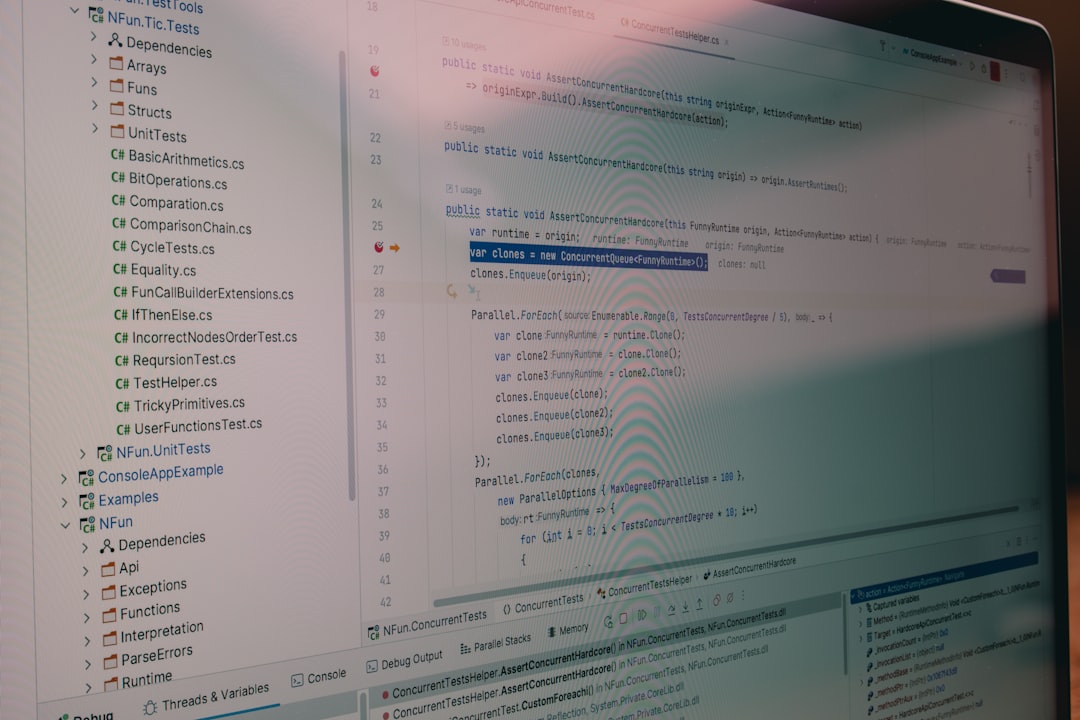
Automating test execution within your build system ensures continuous validation. Reliable tests act as a safety net for innovation.
Continuous Integration and Automation
Continuous Integration (CI) platforms like GitHub Actions, GitLab CI, and Jenkins automate builds, tests, and analysis steps whenever code changes are pushed.
CI pipelines often include:
- Compilation with strict warnings
- Static analysis checks
- Unit test execution
- Code coverage measurement
This automation ensures quality control is consistent and unbiased. Developers receive immediate feedback, allowing rapid iteration and continuous improvement.
Documentation Generators
Clear documentation improves maintainability and team collaboration. Tools like Doxygen automatically generate documentation from structured comments in source files.
Advantages include:
- API reference generation
- Visual dependency graphs
- Consistent documentation structure
Well-documented code is easier to extend and maintain, especially in large or long-lived projects.
Security Testing and Hardening Tools
Security is especially critical in C applications due to manual memory management. Several tools and compiler features enhance resilience:
- Stack protection flags such as
-fstack-protector - Fortify Source with
-D_FORTIFY_SOURCE=2 - Fuzz testing with tools like AFL
Fuzzing feeds random or malformed inputs into programs to expose unexpected crashes or vulnerabilities. Combined with sanitizers, it creates a powerful strategy for proactive security testing.
Bringing It All Together
No single tool guarantees perfect code. Instead, productivity and quality stem from a layered approach:
- Strict compiler settings for early warnings
- Static and dynamic analyzers for bug detection
- Automated builds and tests for consistency
- Version control and code reviews for collaboration
- Documentation and formatting tools for clarity
By integrating these tools into daily workflows, developers reduce cognitive load and catch problems earlier in the development lifecycle. The result is software that is more stable, secure, and maintainable.
C programming may be close to the hardware, but modern tooling elevates it to contemporary engineering standards. With the right set of productivity-enhancing tools, developers can fully harness C’s power—without sacrificing quality or reliability.