
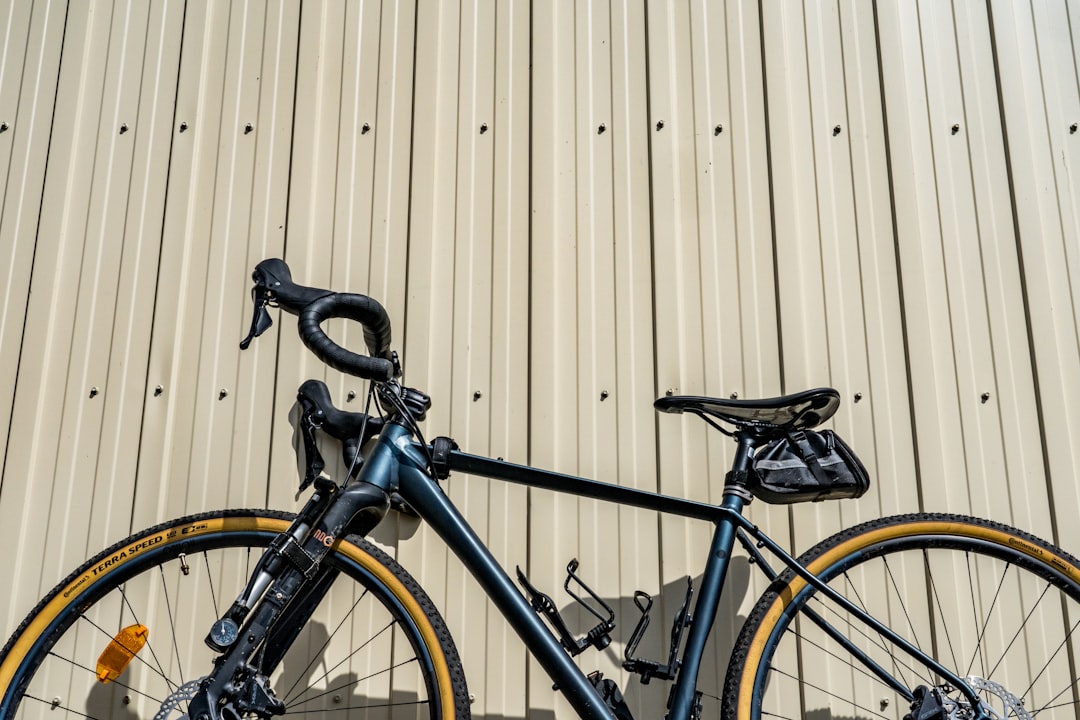
Designing Future-Proof Gravel Frames: Why OEM Projects Are Moving to UDH
Gravel bikes are growing up. They are faster. Wider. More capable. And the frames behind them are getting smarter every year. One of the biggest changes you may not see at first glance sits right at the rear dropout. It is called UDH. And it is quietly changing how future gravel bikes are designed.
TLDR: UDH stands for Universal Derailleur Hanger. It simplifies frame design and improves shifting reliability. OEMs like it because it reduces complexity and boosts compatibility. For gravel bikes, it means tougher frames, easier service, and better future upgrades.
What Is UDH, in Simple Terms
Table of Contents
Let us start plain and simple.
UDH means Universal Derailleur Hanger.
It is a standard created by SRAM. The goal was clear. One hanger shape. One mounting point. Used across many bikes and brands.
Before UDH, things were messy.
- Every frame brand had its own hanger.
- Some bikes used tiny screws.
- Others used odd shapes.
- Shops needed walls of spares.
UDH fixed this by saying, “Enough.”
Now one hanger fits many frames. Road. MTB. And yes, gravel.
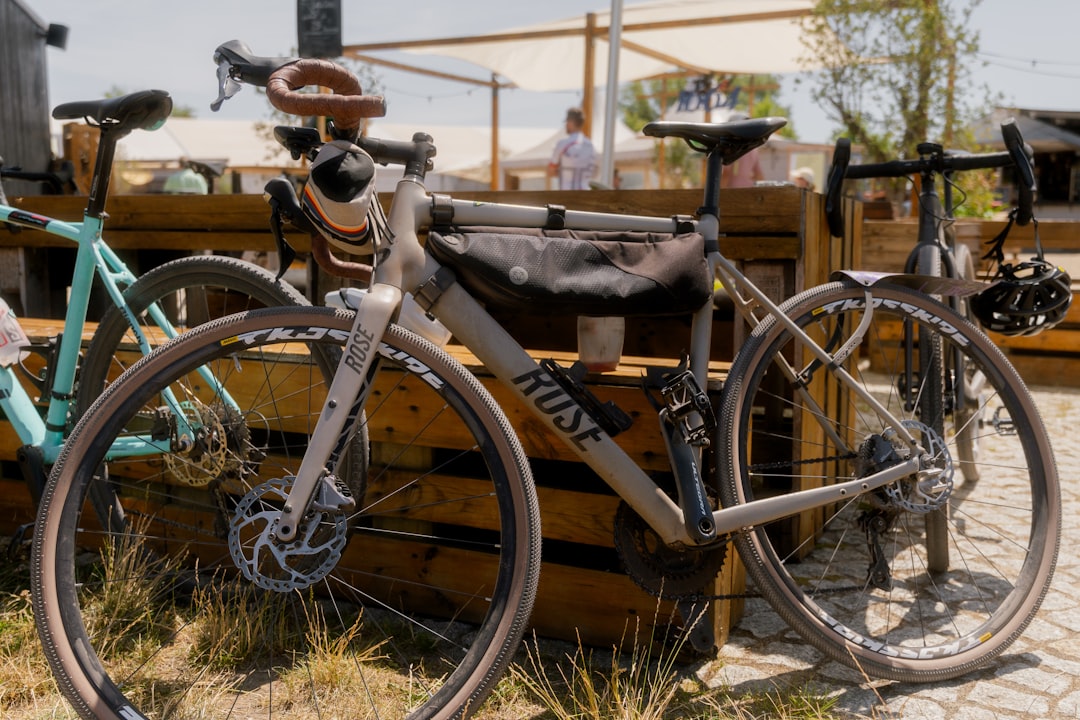
Why Gravel Bikes Care More Than Ever
Gravel bikes live hard lives.
They get dusty. Muddy. Shaken. Dropped. Leaned on rocks. It is part of the fun.
That also means derailleurs get hit.
A bent hanger can ruin a ride. Or a race. Or a full trip.
UDH helps here in two big ways.
- It is designed to rotate on impact.
- It protects the derailleur and frame.
Instead of snapping, the hanger moves. Then it moves back. Simple. Smart.
For riders, this means fewer walk-outs. Less stress. More riding.
Why OEM Frame Projects Are Moving Fast to UDH
OEMs think long term.
They must.
A frame mold will live for years. Sometimes a decade. That means guessing the future.
UDH removes a lot of guessing.
Here is why product managers love it.
- One standard for many drivetrains.
- No custom hanger drawings.
- Lower tooling complexity.
- Fewer support headaches.
For global brands, this matters.
A bike sold in Europe needs the same spare support as one sold in South America.
UDH makes that possible.
Design Freedom at the Rear End
Rear dropout design is tricky.
You must balance:
- Tire clearance.
- Chainstay length.
- Stiffness.
- Axle alignment.
UDH simplifies this puzzle.
Because the hanger interface is fixed, engineers can focus on the frame shape.
This is great for gravel.
Why?
Because gravel frames want it all.
Big tires. Short stays. Wide chainrings. Room for mud.
UDH gives designers a known anchor point. That speeds up development.
Image not found in postmetaThe Future Is Transmission Friendly
We need to talk about direct mount drivetrains.
SRAM Transmission needs UDH.
No hanger. No adjustment screws. Just alignment.
Even riders who do not use it today benefit.
Why?
Because a UDH frame is already prepared.
OEMs love this.
It means the same frame can run:
- Mechanical shifting.
- Electronic shifting.
- Traditional hanger derailleurs.
- Direct mount systems.
This is what future proof really means.
One frame. Many upgrade paths.
Service, Shops, and Spare Parts
Ask any bike shop.
Derailleur hangers are a pain.
They get bent. Lost. Snapped.
UDH changes the service game.
- Shops stock fewer SKUs.
- Customers find spares online easily.
- Travel repairs get simpler.
For gravel riders who travel, this is huge.
Remote race? Bikepacking trip?
Chances are, someone nearby has a UDH.
That peace of mind is worth a lot.
Strength, Alignment, and Big Tires
Gravel frames keep pushing limits.
50 mm tires are normal now.
Some go wider.
With that comes stress.
More leverage. More flex. More force through the dropout.
UDH helps manage that.
The axle-based interface creates consistent alignment.
This improves:
- Shifting under load.
- Rotor clearance.
- Derailleur tracking.
It also reduces frame damage in crashes.
The hanger does its job. The frame survives.
But Is UDH Perfect?
No standard is magic.
UDH has trade offs.
Some designers note:
- Less freedom for custom hanger shapes.
- More reliance on exact axle tolerances.
- Learning curve for small brands.
But overall, the benefits win.
Especially at scale.
For OEM projects, consistency beats clever quirks.
What This Means for Riders
If you are buying a new gravel bike, look at the dropout.
If it says UDH compatible, that is a good sign.
It means:
- Easier upgrades later.
- Stronger drivetrain alignment.
- Better support over time.
You may never think about it again.
And that is the point.
Good design disappears.
Why UDH Fits the Gravel Mindset
Gravel is about freedom.
Freedom to explore.
Freedom to adapt.
Freedom to mix tools from road and mountain worlds.
UDH fits that mindset.
It does not lock you in.
It opens doors.
That is why OEMs are moving fast.
They see where gravel is going.
Wider. Faster. Smarter. More modular.
UDH is not flashy.
But it is foundational.
Final Thoughts
Designing a future proof gravel frame is not about one big feature.
It is about many small, smart choices.
UDH is one of those choices.
It saves time. Saves money. Saves frustration.
For brands, it simplifies development.
For riders, it makes life easier.
And for gravel bikes, it helps them grow without breaking the past.
Sometimes the smallest parts make the biggest difference.