How Remote Work Is Fueling the Next Wave of Creative Freedom
The remote work revolution has swept the globe, altering how people live, connect, and create. What began as a response to unprecedented global circumstances has rapidly evolved into a lifestyle shift, empowering professionals with greater autonomy and control over their environments. This shift hasn’t just changed where we work—it’s fundamentally changing how we create.
TL;DR
Table of Contents
Remote work is transforming creative industries by offering enhanced autonomy, flexibility, and access to global talent pools. Freed from office constraints, creators now enjoy the ability to craft innovative ideas from anywhere. The remote lifestyle also fosters collaboration and personal growth, leading to a new wave of creative freedom. This evolution is reshaping how creativity is expressed and realized across sectors.
The Rise of Remote Work and Its Impact on Creativity
Remote work is no longer an experiment—it’s a proven model. As major companies embrace remote or hybrid formats, individuals are gaining the power to customize their work environments to match their unique creative rhythms. Freed from the rigid nine-to-five grind and cubicle life, professionals and artists alike find themselves reclaiming energy, time, and headspace to innovate in new ways.
Before widespread remote work adoption, creativity was often constrained by office culture. The modern office, with its distractions, stringent time structures, and limited physical spaces, frequently stifled inspiration. Now, creativity is flourishing as remote professionals find inspiration in home offices, co-working spaces, or while traveling the world.
Key Ways Remote Work Fuels Creative Freedom
-
Flexible Schedules Foster Creative Energy:
Creativity doesn’t follow a clock. Some people are night owls, others early risers. Remote work enables professionals to align tasks with their natural creative peaks, allowing ideas to flow more freely. This temporal freedom leads to higher-quality output in industries like writing, design, programming, and marketing.
-
Customized Environments Enhance Focus:
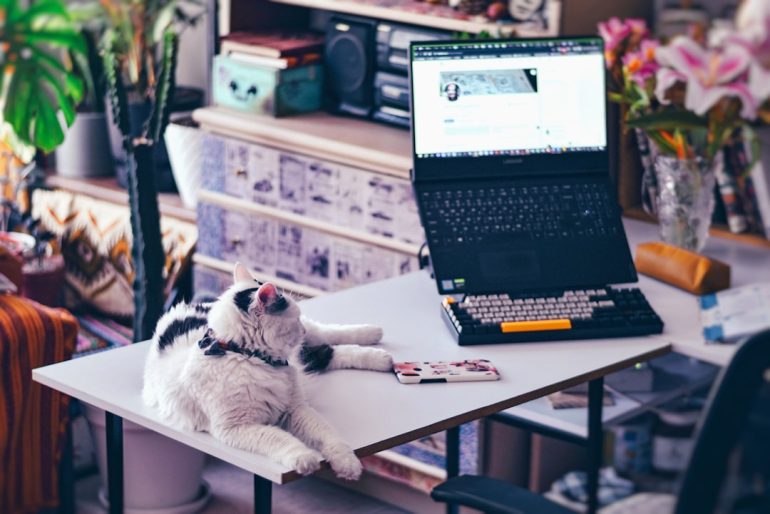
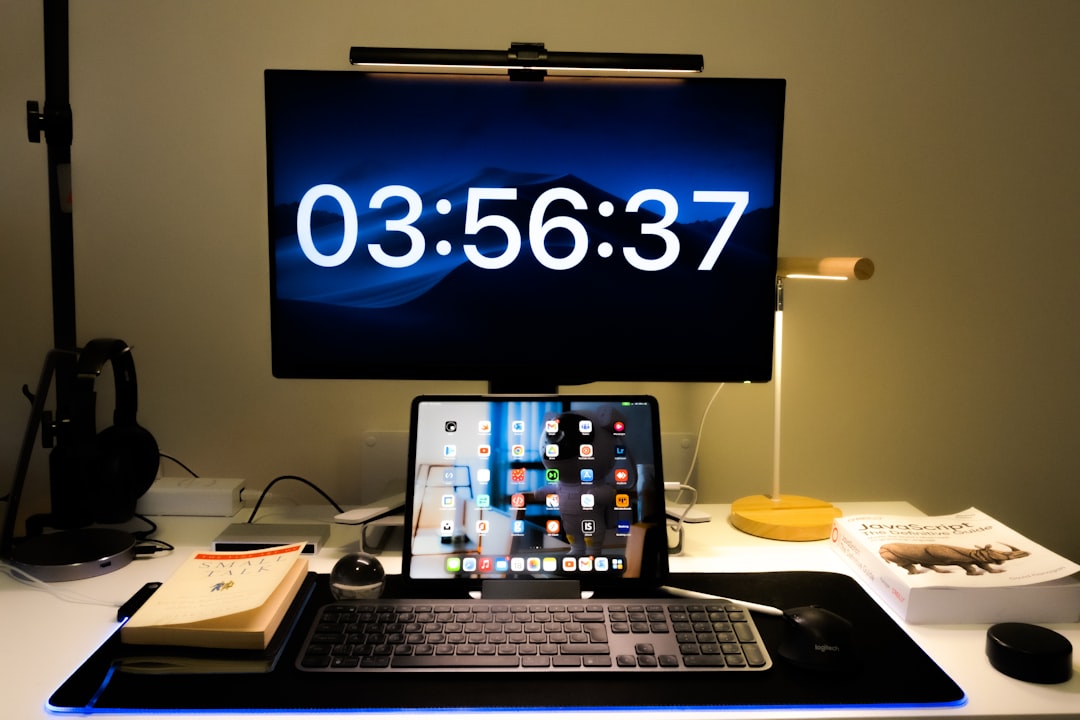
No more fluorescent lighting or sterile cubicles. Workers now design environments that complement their workflows—complete with music, lighting, and decor that spark inspiration. This control over sensory surroundings has a measurable impact on sustained creative focus and joyful productivity.
-
Global Exposure Inspires New Perspectives:
Creators are no longer limited by geography. Remote workers have the chance to live abroad, immerse themselves in diverse cultures, and collaborate across time zones. This global exposure naturally integrates multicultural influences into their work, leading to fresh, innovative perspectives.
Creativity in the Absence of Commuting
Eliminating long commutes is more than a time-saver—it’s an energy booster. The hours spent in traffic or on crowded transit are now reinvested into personal passion projects and exploration. This mental freedom allows individuals to dive into hobbies, morning journaling, walking meditations, or mid-day painting—all of which fuel stronger creative outputs in their chosen fields.
For many, the commute acts as a barrier—both literal and psychological—to creativity. The energy drained during morning rush hour often eats into enthusiasm and imagination. With that obstacle gone, remote workers feel more engaged and purposeful throughout the day.

New Tools for a Borderless Creative Workforce
Today’s digital landscape abounds with tools designed for asynchronous collaboration. Cloud storage, real-time editing, project management platforms like Trello or Notion, and communication tools like Slack and Zoom have opened doors for remote creators to brainstorm, iterate, and refine ideas as part of global teams.
This access to collaborative technology means physical presence is no longer a prerequisite for teamwork. Writers in Spain, developers in India, and illustrators in Canada can co-create seamlessly, bringing uniquely regional insight to a shared project. The remote model expands the creative pool beyond city borders and office proximity.
Autonomy Breeds Innovation
One of the most empowering aspects of remote work is self-direction. Traditional office settings often rely on micromanagement, rigid hierarchies, and approval bottlenecks. In contrast, remote workers are trusted to manage their own schedules, tasks, and deadlines. This autonomy cultivates ownership—and with it comes a natural urge to innovate.
When creators are not burdened by top-down oversight, they tend to bring their authentic vision forward. They take risks, experiment more bravely, and explore non-traditional solutions. Startups and creatives alike are leveraging this flexibility to generate original content, products, and services.
Challenges to Creative Freedom in Remote Work
While remote work enhances creativity in many ways, it is not without challenges. Isolation, overworking, and blurred lines between personal and professional life can hinder creative momentum. It’s crucial to design boundaries, schedule regular breaks, and prioritize social connection to maintain creative energy in a remote setting.
Fortunately, these challenges are manageable. Virtual co-working sessions, dedicated creative blocks on calendars, and consistent routines help remote professionals keep their creative spark alive throughout the workweek.
The Future of Work Is Creative
As the dust settles on the remote work transformation, all signs point toward a more dynamic, creatively empowered workforce. Companies are investing in mental health initiatives, coworking stipends, and asynchronous workflows that support both well-being and innovation.
Workers, in turn, are redefining what professional fulfillment looks like—less about titles and physical presence, more about alignment with passion, and room to breathe. Whether through freelance gigs, passion-based portfolios, or startup ventures, the remote workforce is ushering in a new era where creativity is both liberated and celebrated.
Conclusion
Remote work isn’t just changing where people work—it’s revolutionizing how they think, create, and collaborate. It’s breaking down walls, both literal and mental, and giving rise to a vibrant creative economy defined by flexibility, inspiration, and global connection. The future belongs to those who can imagine it—and remote work is handing them the tools to do just that.
Frequently Asked Questions (FAQ)
-
How does remote work affect creative professionals?
Remote work allows creative professionals to work during their most inspired hours, design their ideal workspaces, and pull inspiration from a wider range of experiences—including travel and diverse collaborations.
-
Can working from home really boost creativity?
Yes. Working from home removes many of the stressors and distractions found in traditional workplaces, enabling deeper focus and more original thought.
-
What tools help remote workers stay creatively productive?
Tools such as Trello, Notion, Canva, Figma, and Zoom help remote teams organize projects, share ideas, and co-create—often more effectively than in-person collaboration.
-
Are there downsides to creativity in remote work?
Some people may struggle with isolation or lack of structure. However, these issues can be mitigated with routines, virtual collaboration, and intentional scheduling of creative downtime.
-
What industries benefit the most creatively from remote work?
Industries like marketing, design, writing, software development, and multimedia production have seen tremendous creative growth thanks to remote workflows and global collaboration.