5 Player Analytics SaaS Tools With AI Insights and Performance Dashboards
In the rapidly evolving world of sports, esports, and competitive gaming, data has become as valuable as raw talent. Organizations, coaches, and performance analysts increasingly rely on player analytics Software-as-a-Service (SaaS) platforms to transform performance metrics into actionable insights. Fueled by artificial intelligence, these tools go far beyond basic stat tracking, offering predictive modeling, real-time dashboards, injury risk assessments, and tactical optimization features. As competition intensifies across leagues and platforms, AI-driven analytics solutions are helping teams gain the marginal advantages that often define champions.
TLDR: AI-powered player analytics SaaS tools are revolutionizing how teams analyze performance, prevent injuries, and optimize strategy. Platforms like Catapult, Hudl, Stats Perform, Kitman Labs, and Fusion Sport offer advanced dashboards, real-time tracking, and predictive insights. These tools combine wearable data, video breakdown, and machine learning to drive smarter coaching decisions. Choosing the right platform depends on budget, sport type, and analytics depth requirements.
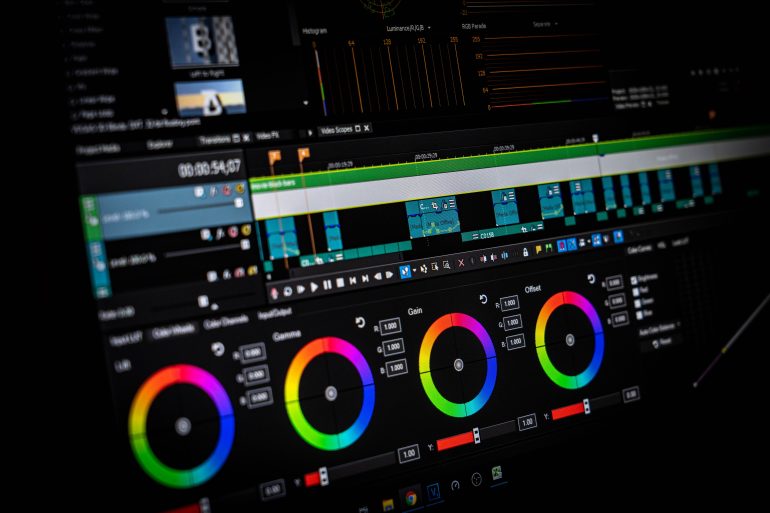
Modern analytics platforms unify wearable sensor data, video analysis, biometric tracking, and tactical statistics into streamlined dashboards. Instead of sifting through endless spreadsheets, coaches can now rely on intuitive visualizations and AI-generated recommendations. Below are five leading player analytics SaaS tools that stand out in the market.
1. Catapult Sports
Table of Contents
Catapult is one of the most recognized names in elite sports analytics, widely used in football, rugby, basketball, and Olympic sports. Its platform integrates wearable GPS devices with AI-powered analytics to monitor workload, movement patterns, and fatigue levels.

Key Features:
- Wearable GPS tracking for acceleration, distance covered, and sprint intensity
- AI-based workload management to reduce injury risk
- Performance dashboards with customizable metrics
- Return-to-play monitoring after injuries
Catapult’s analytics engine helps performance staff detect subtle changes in biomechanics or load patterns that could indicate overtraining. Teams appreciate its clear visual dashboards, which translate complex data into digestible reports for coaching staff.
Best for: Professional sports teams seeking elite-level wearable integration.
2. Hudl
Hudl is a video-centric analytics SaaS platform popular across high school, collegiate, and professional levels. While initially known for video breakdown tools, Hudl has aggressively integrated AI-driven tagging and performance metrics.
Key Features:
- Automated video tagging using computer vision
- Performance dashboards integrating game statistics
- Player spotlight reels for recruitment
- Cloud-based sharing for remote coaching collaboration
Hudl’s AI can detect plays, formations, and player movements directly from video footage. Instead of manually tagging every moment, analysts receive pre-labeled clips for review. This drastically reduces preparation time and enables more focus on tactical adjustments.

Hudl stands out for accessibility. It offers tiered pricing, making sophisticated analytics available even to smaller organizations.
Best for: Teams prioritizing video breakdown and recruitment exposure.
3. Stats Perform
Stats Perform merges advanced data science, AI modeling, and historical sports databases into a powerful analytics ecosystem. Known for its Opta data collection network, the platform provides granular insights across football, basketball, baseball, and more.
Key Features:
- Predictive performance modeling
- Advanced player impact metrics
- AI-generated performance forecasts
- Custom API integrations
One of Stats Perform’s defining advantages lies in its predictive analytics capabilities. Its AI models can simulate match outcomes, estimate player contribution values, and identify undervalued talent. Front offices often leverage these insights in scouting and contract negotiations.
The platform’s dashboards present complex performance indicators—like expected goals (xG) or player efficiency ratings—in visually rich formats, helping stakeholders align analytics with strategic objectives.
Best for: Data-driven organizations and professional front offices.
4. Kitman Labs
Kitman Labs focuses on performance intelligence with a strong emphasis on athlete health and injury prevention. Its SaaS system consolidates medical records, workload data, and wellness surveys into unified dashboards.
Key Features:
- Injury risk forecasting powered by machine learning
- Integrated medical and performance records
- Athlete wellness tracking
- Centralized high-performance dashboards
Kitman Labs emphasizes proactive risk management. By analyzing historical injury data and real-time training loads, its AI models identify patterns that signal potential breakdowns. This holistic approach bridges communication gaps between coaching, medical, and strength staff.
Best for: Organizations prioritizing long-term athlete health and risk mitigation.
5. Fusion Sport (Smartabase)
Fusion Sport’s Smartabase platform delivers customizable performance tracking for elite sports, military units, and research institutions. Unlike more rigid systems, Smartabase offers highly flexible data architecture.
Key Features:
- Custom KPI configuration
- Real-time performance dashboards
- Data aggregation from multiple devices
- Advanced reporting tools
Smartabase excels when organizations require tailored analytics. Users can design sport-specific dashboards reflecting unique KPIs, physiological metrics, or tactical markers. Its API-first design also makes integration with third-party wearables seamless.
Best for: High-performance programs needing deep customization.
Comparison Chart
| Platform | Primary Strength | AI Capabilities | Best For | Customization Level |
|---|---|---|---|---|
| Catapult | Wearable GPS tracking | Workload & injury prediction | Elite professional teams | Medium |
| Hudl | Video analysis | Automated play recognition | Schools & recruitment | Low-Medium |
| Stats Perform | Predictive modeling | Match & player forecasting | Professional front offices | Medium |
| Kitman Labs | Injury prevention | Health risk forecasting | Medical & performance teams | Medium |
| Fusion Sport | Custom dashboards | Flexible AI integrations | Advanced performance programs | High |
Why AI Insights Matter in Player Analytics
Traditional statistics offer descriptive insights—what happened in a game or training session. AI-powered analytics, however, deliver diagnostic and predictive insights. For example:
- Descriptive: A player ran 10.2 kilometers.
- Diagnostic: Fatigue levels spiked after minute 75.
- Predictive: 35% increased injury probability if workload continues.
This layered intelligence shifts decision-making from reactive to proactive. AI enables tactical scenario simulations, player rotation optimization, and smarter investment in talent development.
Choosing the Right Player Analytics SaaS Tool
Selecting a suitable platform depends on several considerations:
- Sport Type: Some platforms specialize in field sports, others in court or esports.
- Budget: Enterprise-grade solutions may exceed smaller program budgets.
- Integration Needs: Compatibility with existing wearables and databases is essential.
- User Experience: Dashboards should be intuitive for coaches and executives.
Organizations should conduct pilot testing, request demos, and evaluate vendor support services before committing to long-term contracts.
Frequently Asked Questions (FAQ)
1. What is a player analytics SaaS platform?
A player analytics SaaS platform is a cloud-based software solution that collects, analyzes, and visualizes athlete performance data using AI and advanced metrics.
2. How does AI improve performance analysis?
AI detects patterns in large datasets, predicts injury risks, automates video tagging, and provides tactical recommendations that humans alone might miss.
3. Are these tools only for professional teams?
No. While some platforms cater to elite organizations, tools like Hudl offer scalable options suitable for high schools and amateur programs.
4. Do these systems integrate with wearable devices?
Yes. Most leading platforms connect with GPS trackers, heart rate monitors, and biometric sensors to capture real-time metrics.
5. How secure is player data in SaaS platforms?
Reputable providers use enterprise-grade encryption, cloud security protocols, and compliance standards to protect sensitive athlete data.
6. What is the biggest benefit of AI-driven dashboards?
The main advantage is real-time, actionable insight—allowing coaches to adjust training loads, tactics, and recovery plans quickly and effectively.
As competition grows more intense across sports and esports landscapes, AI-powered player analytics SaaS tools are no longer optional—they are strategic necessities. By unifying data streams, providing predictive insights, and delivering intuitive dashboards, these platforms empower teams to make smarter, faster, and more informed decisions. In modern sport, intelligent data may be the most critical player on the field.