3 Fishing Apps That Help You Locate Hotspots Faster
Finding productive fishing spots used to depend on word of mouth, years of experience, and a bit of luck. Today, anglers have a powerful advantage right in their pockets: mobile fishing apps designed to map structure, analyze environmental conditions, and reveal real-time activity. Whether someone is fishing freshwater lakes, winding rivers, or offshore waters, modern technology can dramatically reduce guesswork and increase catch rates.
TLDR: Modern fishing apps use mapping technology, weather data, sonar integration, and community reports to help anglers find hotspots faster. Apps like Fishbrain, Navionics Boating, and FishAngler stand out for their detailed maps, real-time insights, and user-friendly tools. By analyzing structure, water conditions, and local reports, these apps narrow down the most productive areas. Choosing the right one depends on fishing style, location, and preferred features.
Below are three fishing apps that consistently help anglers locate fish faster and fish smarter.
1. Fishbrain: Crowdsourced Intelligence Meets Smart Forecasting
Table of Contents
Best for: Anglers who want real-time reports, local insights, and predictive tools.
Fishbrain has built one of the largest fishing communities in the world. What makes it powerful isn’t just its mapping tools; it’s the massive database of user-submitted catches. When an angler opens the app, they can see who caught what, where, and under what conditions.
Key Features
- Catch maps: Displays logged catches in specific areas.
- Species-specific forecasts: Predicts fish activity based on weather and moon phases.
- Private waypoints: Save personal hotspots.
- Bait recommendations: See what others used successfully.
The predictive element is particularly valuable. By combining barometric pressure, temperature, wind speed, and seasonal patterns, Fishbrain estimates fish activity levels. While no prediction tool is perfect, it gives anglers a practical starting point for deciding where and when to fish.
Another advantage is species filtering. If someone is targeting largemouth bass, they can filter reports specifically for that species, eliminating irrelevant data and saving time.
Why it helps locate hotspots faster: Instead of exploring blindly, anglers start where fish have recently been caught.
2. Navionics Boating: Precision Mapping and Sonar Integration
Best for: Serious anglers who want advanced charts, structural data, and navigation tools.
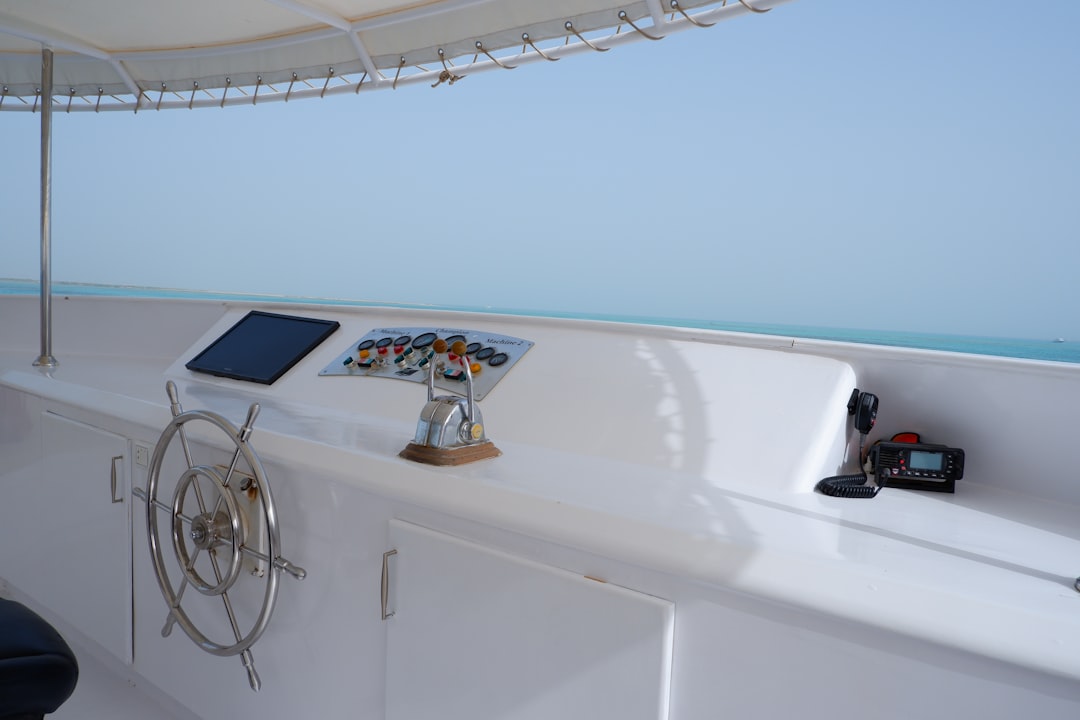
Navionics Boating is less about social interaction and more about high-accuracy marine mapping. It is widely respected for its detailed bathymetric maps, which show underwater structure such as drop-offs, humps, ledges, and creek channels — prime holding areas for fish.
Key Features
- SonarChart™: High-definition contour maps.
- Depth shading: Highlights specific depth ranges.
- Route planning: Safe and efficient navigation.
- Sonar integration: Sync with compatible fish finders.
Structure is one of the most important elements in finding fish. Bass relate to drop-offs. Walleye often hold along breaklines. Offshore species gather around underwater humps and reefs. Navionics allows anglers to spot these features before ever launching their boat.
Its depth shading feature helps narrow down productive water columns. For example, if fish are holding between 12 and 18 feet, anglers can highlight that specific range and visually eliminate unproductive water.
Why it helps locate hotspots faster: It pinpoints underwater structure where fish naturally congregate.
3. FishAngler: All-in-One Forecasting and Logbook Tool
Best for: Anglers who want condition tracking and personal data logging.
FishAngler combines mapping, forecasting, and personal catch tracking into a streamlined platform. While it also features community reports, its strength lies in helping anglers identify patterns in their own fishing history.

Key Features
- Advanced weather forecast: Hourly updates and radar layers.
- Tide charts: Essential for saltwater anglers.
- Personal fishing log: Record catches and conditions.
- Waypoint marking: Save and categorize spots.
Patterns are everything in fishing. If someone logs catches consistently during incoming tides with overcast skies and light wind, the app helps reveal that trend over time. This transforms random success into repeatable strategy.
The weather tracking tools are especially helpful for mobile anglers. Changes in temperature, wind direction, and approaching fronts dramatically influence fish behavior. Instead of being surprised by shifting conditions, anglers can plan accordingly.
Why it helps locate hotspots faster: It connects environmental patterns with past success, guiding smarter decisions.
Comparison Chart: Choosing the Right Fishing App
| Feature | Fishbrain | Navionics Boating | FishAngler |
|---|---|---|---|
| User Catch Reports | Extensive global database | Limited | Moderate community reports |
| Detailed Contour Maps | Basic mapping | Advanced HD bathymetry | Standard mapping |
| Weather Forecasting | Fish activity predictions | Basic weather overlays | Advanced hourly forecasts |
| Tide Information | Limited | Available in coastal maps | Detailed tide charts |
| Personal Logbook | Yes | No | Comprehensive logging |
| Best For | Finding active local spots | Mapping structure offshore | Identifying personal patterns |
How These Apps Work Together
Many experienced anglers do not rely on just one app. Instead, they combine strengths:
- Use Navionics to identify structure.
- Check Fishbrain to confirm recent activity.
- Track results in FishAngler to refine future trips.
This layered approach creates a powerful system. Structure explains where fish should be. Community data hints at whether they are biting. Personal logs reveal why they bite under certain conditions.
Tips for Maximizing Fishing Apps
Simply downloading an app will not guarantee success. Strategic use makes the real difference.
1. Verify Information
Crowdsourced data can sometimes be outdated. Always cross-check weather and seasonal patterns.
2. Focus on Structure First
Fish relate to bottom composition and depth changes more consistently than they respond to short-term trends.
3. Monitor Seasonal Patterns
Pre-spawn, spawn, and post-spawn behaviors shift fish locations dramatically.
4. Log Everything
Recording water temperature, clarity, lure choice, and time of bite builds long-term insight.
5. Keep Waypoints Private
When possible, mark prime spots privately to avoid unnecessary pressure.
The Bottom Line
Fishing success increasingly favors anglers who combine instinct with information. While traditional skills remain essential, apps dramatically shorten the search time between launching a boat and hooking into fish. Fishbrain leverages community intelligence, Navionics reveals critical underwater structure, and FishAngler transforms past trips into future strategy.
Ultimately, these apps do not replace experience — they accelerate it. By narrowing down productive water, highlighting key conditions, and uncovering patterns, they allow anglers to spend less time searching and more time catching.
FAQ: Fishing Apps and Hotspot Location
1. Are fishing apps accurate?
Most fishing apps use reliable weather services, GPS technology, and verified marine charts. However, crowdsourced catch reports may vary in accuracy, so it is wise to use multiple data points.
2. Do I need internet access on the water?
Many apps allow users to download maps for offline use. However, real-time updates and community reports typically require connectivity.
3. Which app is best for freshwater lakes?
Fishbrain and Navionics both perform well for freshwater. Fishbrain helps locate recent catches, while Navionics excels at identifying underwater structure.
4. Are fishing apps useful for beginners?
Yes. Beginners benefit significantly from maps, forecasts, and community insights that shorten the learning curve.
5. Do fishing apps replace fish finders?
No. Apps complement fish finders but cannot provide real-time sonar imaging unless connected to compatible hardware.
6. Are free versions sufficient?
Free versions offer basic features, but premium upgrades usually unlock advanced mapping, detailed forecasts, and deeper analytics.
7. How do fishing apps predict fish activity?
They analyze variables like water temperature, barometric pressure, moon phase, tides, and historical catch data to estimate likely feeding windows.
With the right app — or combination of apps — anglers can transform every trip from uncertain exploration into a calculated hunt for the most productive water available.